



OpenAI company has released its new Sol model to the public
OpenAI, a world leader in artificial intelligence technologies, has begun rolling out its latest model, Sol, to the general public. This was reported by Zamin.uz.
The new system is expected to match the technical capabilities and power of Anthropic's Fable model, which, notably, was temporarily restricted by the U.S. government on security grounds.
However, the fact that the Sol model managed to obtain a license in a short period has raised many questions and sparked debate, as of influence sources such as Techcrunch.
At the same time, there is no clear information in the techno exact details on what criteria the safety of this new model was verified. According to experts, even industry specialists do not fully understand how the government's licensing and approval processes work.
Mina Narayanan, an analyst at Georgetown University, emphasized that this process lacks transparency. According to her, it is currently very difficult to assess how sufficient the safety measures underlying the model's public release are.
Uncertainty in oversight. While the Biden administration has not yet been finalized.
Din Boll, a former political advisor working at OpenAI, believes that today no one knows the exact requirements for obtaining a license. This indicates serious legal gaps in the field of AI safety.
Government officials stated that AI oversight will be handled by a structure similar to that of food and drug quality agencies. For now, this responsibility lies with a special center under the U.S. Department of Commerce.
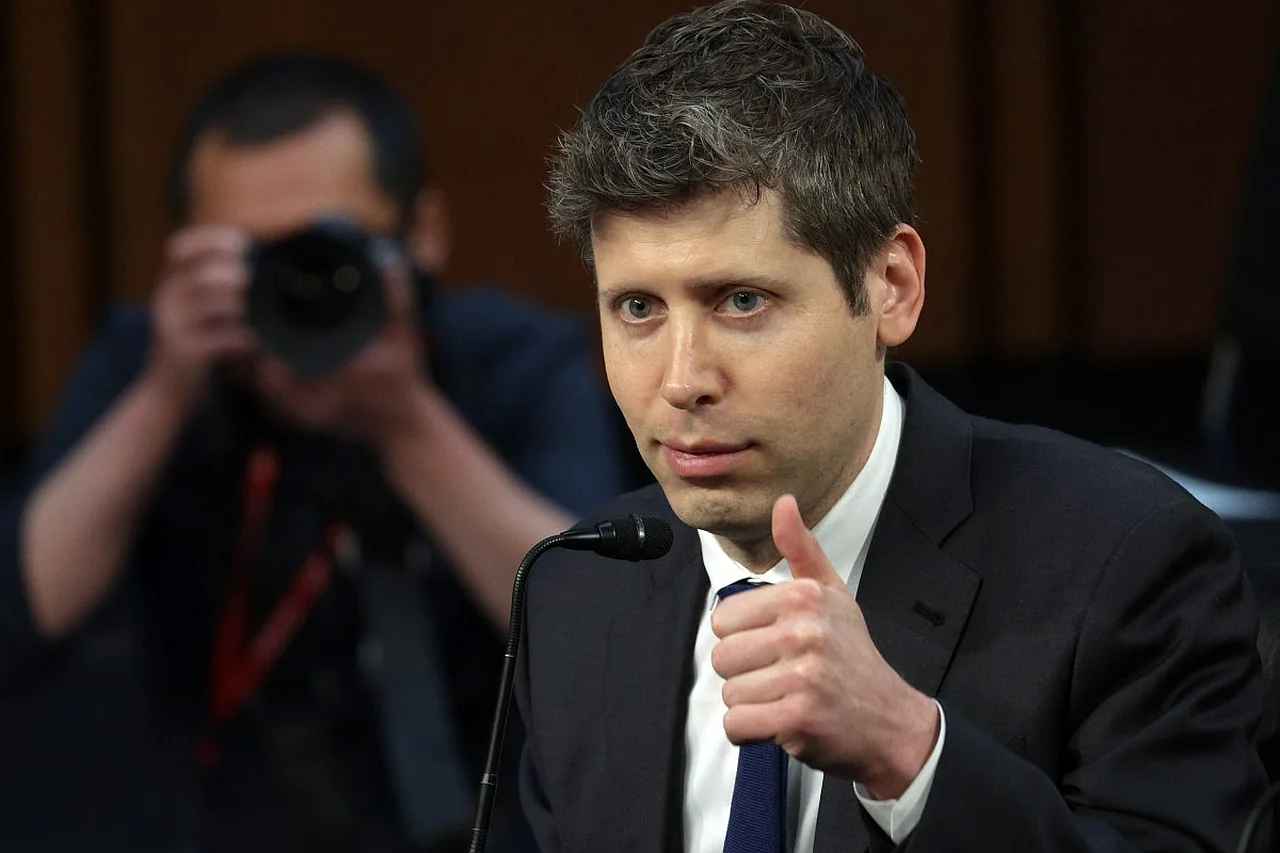
However, in the coming months, a final oversight process involving six different agencies is expected to be established. At the same time, OpenAI CEO Sam Altman confirmed that he held consultations with high-ranking state officials before releasing the model.
However, what technical tests were conducted in these meetings remains unclear. Observers suggest that the company leadership's close ties with government officials and their activity in political processes may have contributed to a more lenient attitude toward the Sol model.
For users in Uzbekistan, such news is also of significant importance. Since products like ChatGPT and similar tools are widely used in our country, the safety level of these models and their data handling practices directly affect global digital security.