


New systemic changes and significant updates are being implemented in Uzbekistan.
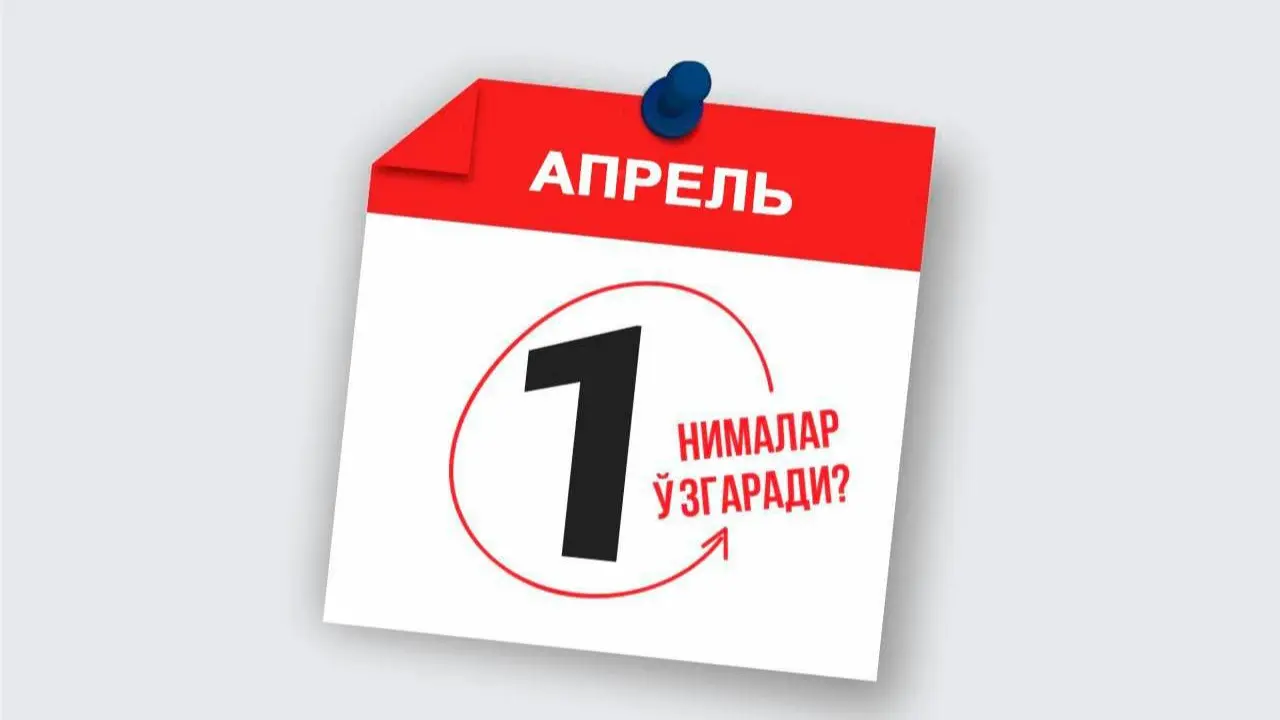
In the near future, a number of serious innovations and systemic changes directly affecting the lives of citizens will be implemented in the Republic of Uzbekistan. This was reported by Zamin.uz.
These decisions were made with the aim of improving the living conditions of the population, ensuring security, and increasing transparency in the economy. First of all, the working schedule of state hospitals will change and they will switch to a five-day workweek.
Although this is aimed at improving the working conditions of medical staff, a special duty system will be introduced to ensure uninterrupted service to patients on holidays and days off. One of the main changes in the financial sector is the transition of the payment system to a cashless method.
In the future, using state services, paying for electricity, natural gas, and water, as well as purchasing alcohol and tobacco products will only be carried out through electronic means. Social protection and assistance services are no exception.
Cash payments will be prohibited for the sale of expensive goods and real estate, the purchase of vehicles, and services costing more than twenty-five million soms. This will help increase budget revenues and reduce black markets.
To develop tourism potential, new opportunities are being created for foreign guests. They will have the right to receive an eight hundred percent refund of the value-added tax on products legally purchased in Uzbekistan.
For this, a minimum purchase of three hundred thousand soms is required. A special SOS system will be launched to call for urgent help in cases of violence against women to protect their rights and safety.
Additionally, discounts on kindergarten fees will be provided in certain areas of Nukus city, and the age limit for notaries will be increased, creating conveniences for their activities. These innovations are important steps aimed at establishing order in society and strengthening citizens' trust.