


Presidents familiarized themselves with the activities of the new intellectual management center in Bukhara
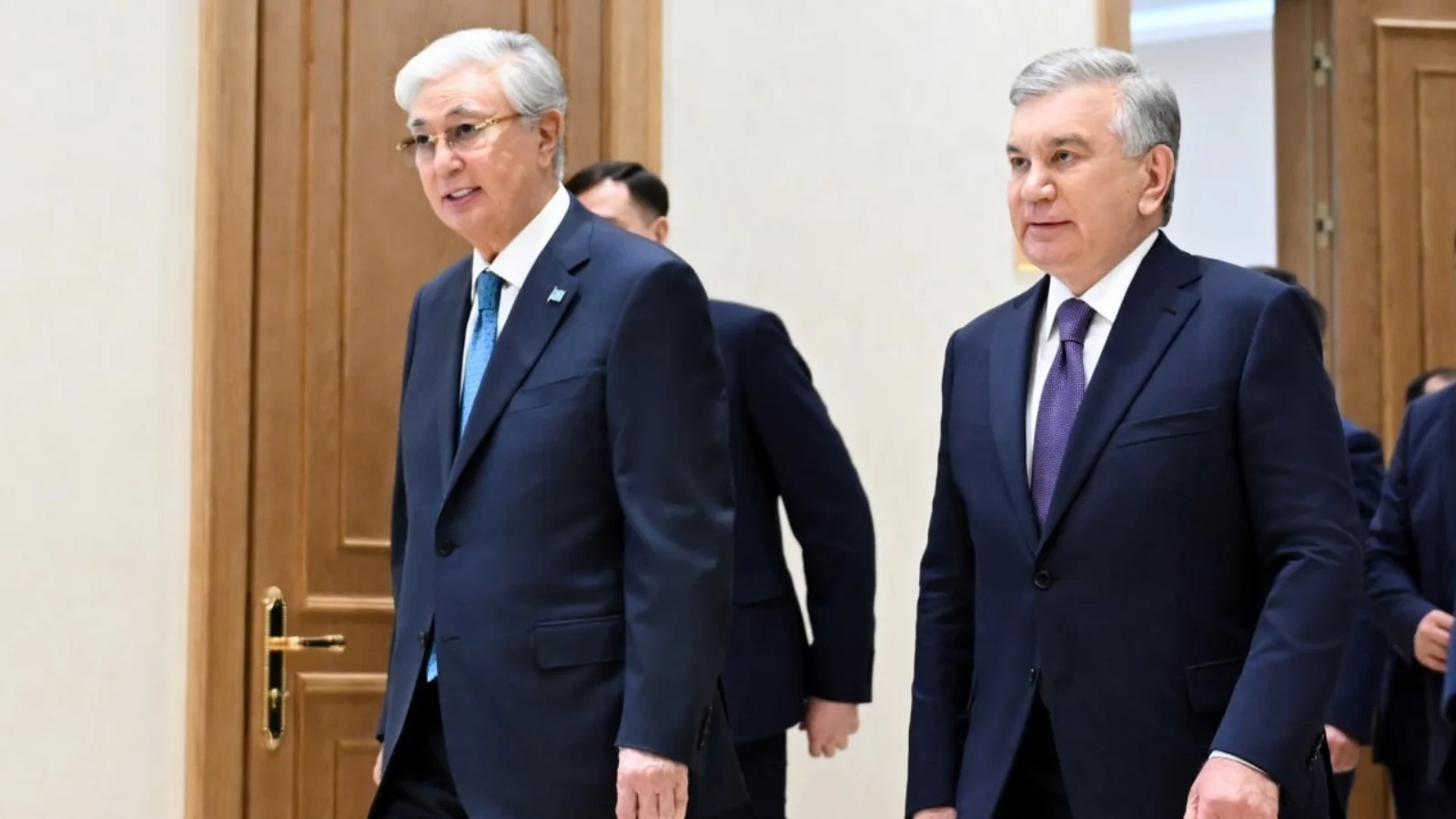
The President of the Republic of Uzbekistan, Shavkat Mirziyoyev, and the President of the Republic of Kazakhstan, Kassym-Jomart Tokayev, closely familiarized themselves with the activities of the situational center established under the administration of the Bukhara region. This was reported by Zamin.uz.
Today, a new model of local state administration is being gradually implemented in our country, aimed at consolidating and managing executive authorities in the regions within a single system at one point. This modern approach serves to strengthen cooperation between agencies, accelerate decision-making processes, and resolve public appeals more effectively.
This intellectual management center, established in Bukhara's new administrative center, operates as the modern "brain center" of the regional administration. In the initial stage, the regional and city administrations, the prosecutor's office, internal affairs bodies, and other responsible structures have been integrated here.
The center collects and analyzes data in real-time across all directions, including socio-economic development, investment projects, communal and transport infrastructure, public safety, and citizen appeals. The high-ranking guests were demonstrated through practical examples the center's capabilities for complex monitoring of the situation by region, early identification of problematic issues, evaluation of implementation efficiency, and strict monitoring of the execution of assignments.
Following this, the heads of state reviewed the modern conditions created for the administration staff. The new building is equipped with a fully digitized working environment, modern offices, and meeting halls, providing all necessary opportunities for civil servants to work efficiently.
During the visit, copies of unique archival materials were presented to the President of Kazakhstan. These include documents, drawings, and photographs from the middle of the last century regarding the mausoleums of Khoja Ahmed Yasawi and Robiya Sultanbegim (daughter of Mirzo Ulugbek) in Turkistan.
As a symbol of historical proximity and brotherhood between the two peoples, these archival materials were gifted to the Kazakh side. It is worth noting that most of these documents have not yet been introduced into scientific circulation and hold great importance for studying the historical heritage of Central Asia.
Unique architectural monuments such as the mausoleums of Ahmed Yasawi and Robiya Sultanbegim occupy a special place in the common cultural heritage of our region.