President Discusses Economic Stability and Price Control Issues
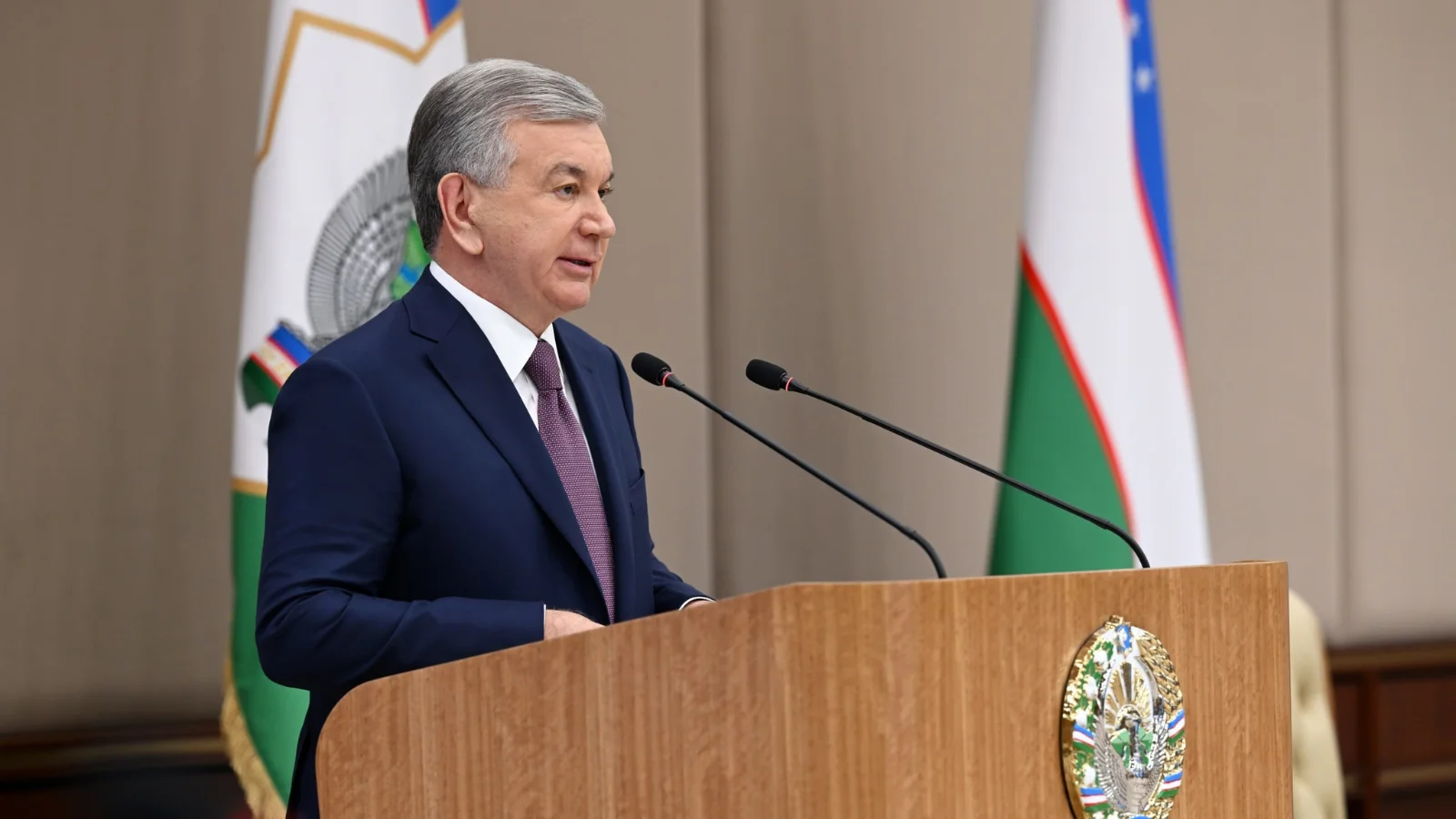
At a video-selector meeting chaired by President Shavkat Mirziyoyev, a detailed analysis of the most pressing issues affecting the country's economy was conducted. During the meeting, it was noted that since the beginning of the year, global oil prices have increased by nearly 40%, and due to international conflicts, logistics chains have shifted, leading to a significant rise in shipping costs.
This complex situation directly impacts export and import operations, causing overall costs to increase by 25% to 30%. The Head of State specifically addressed the issue of inflation, emphasizing that ensuring price stability alongside economic growth rates is paramount.
It was noted that if this stability is not achieved, the positive results of the ongoing reforms will not be felt in the lives of the population and entrepreneurs. The President warned that all efforts toward economic development would lead to the devaluation of public income if inflation goes out of control.
Furthermore, it was pointed out that the rising prices of imported goods put pressure on the domestic market, but this should not serve as an excuse to slow down efforts in price containment. It was highlighted that 70% of the products and services in the consumer basket are formed through local production, meaning internal resources must be utilized rationally.
Government members and regional leaders were assigned specific tasks to increase the volume of local products to keep inflation within 6.5% this year. Due to logistics problems, cattle imports decreased twofold in the first quarter.
To resolve this issue, the state introduced new support measures. Now, a subsidy of up to 4 million soums will be provided for each head of pedigree cattle imported by air, and half of the transport costs for meat imports will be covered.
These measures aim to bring meat import volumes to 130,000 tons by the end of the year and prevent unjustified price hikes in the market. The meeting also critically reviewed shortcomings in the agricultural sector.
It was pointed out that fodder crop planting is progressing slowly in some regions, particularly in the Namangan region. Additionally, due to delays in potato cultivation, prices for this product have risen significantly in certain provinces.
The President gave strict instructions to regional leaders to fully utilize available resources and meet the needs of the population.