



The impact of cash assistance and looting was studied
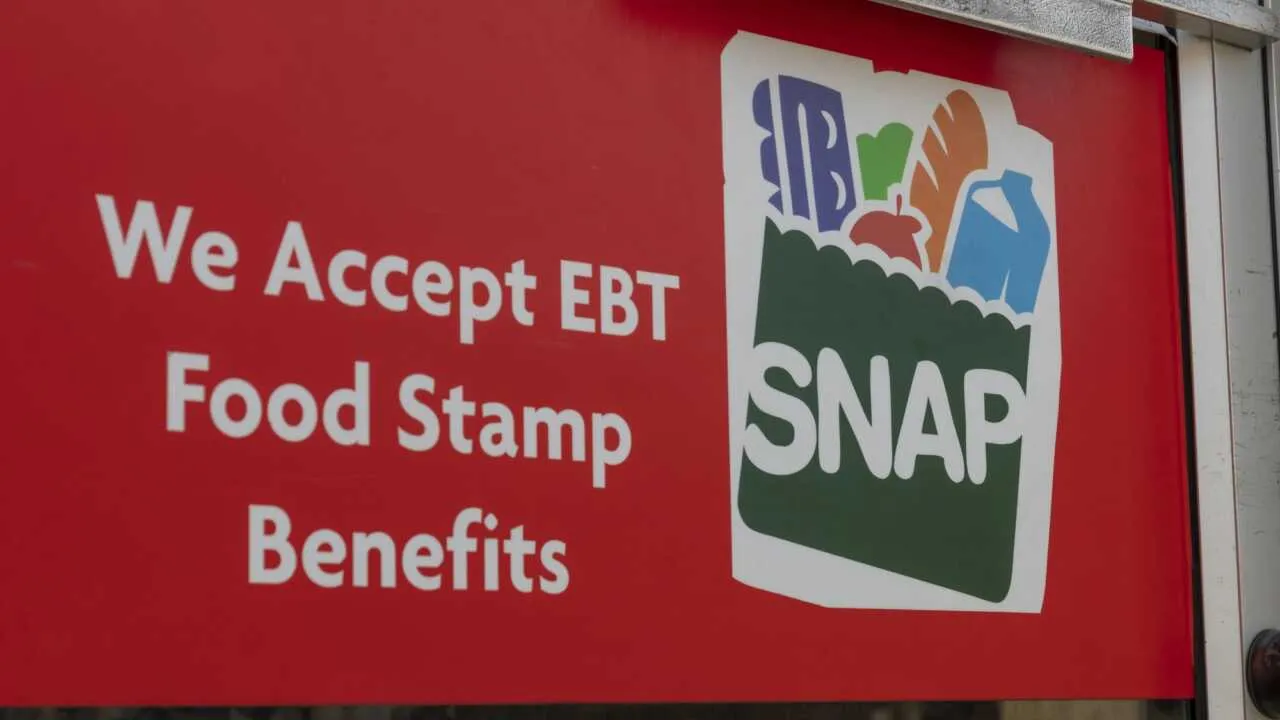
Research conducted in the United States on the behavior of social assistance recipients shows that the form of financial aid significantly affects the consumption and spending habits of the recipients. This was reported by Zamin.uz.
A study by the National Bureau of Economic Research (NBER) examined the effects of cash assistance and food stamps. The Supplemental Security Income (SSI) and SNAP programs in South Carolina were analyzed from 1998 to 2019.
The study results indicated that after receiving cash assistance, some individuals tend to purchase "temptation goods" – alcohol and narcotics. The number of emergency medical visits increased by 20–30% within one week after cash was given.
Food stamps, however, did not show such negative effects. Additionally, the number of prescriptions for new illnesses increased by 20–40% after receiving cash assistance.
No such changes were observed when receiving food stamps. Researchers attribute this difference to individuals' ability to manage financial resources.
While food stamps are intended solely for purchasing food, cash as a universal resource can also be spent on impulsive expenses. The study shows that it is effective for the government to apply a mixed aid system, determining the ratio of cash to food stamps based on the recipients' self-control abilities.
Even if high taxes are imposed on harmful products, aid types like food stamps can reduce the burden on the healthcare system and enhance social stability. This study is considered important evidence for improving the effectiveness of social assistance.



![Fransiya Usmonova proposed removing [the name] from the sanctions list](/uploads/mini/web-300/04/e8d7de74763e0760c29bdbfd3d91b77a.webp)