


Spain and three countries boycotted Eurovision 2026
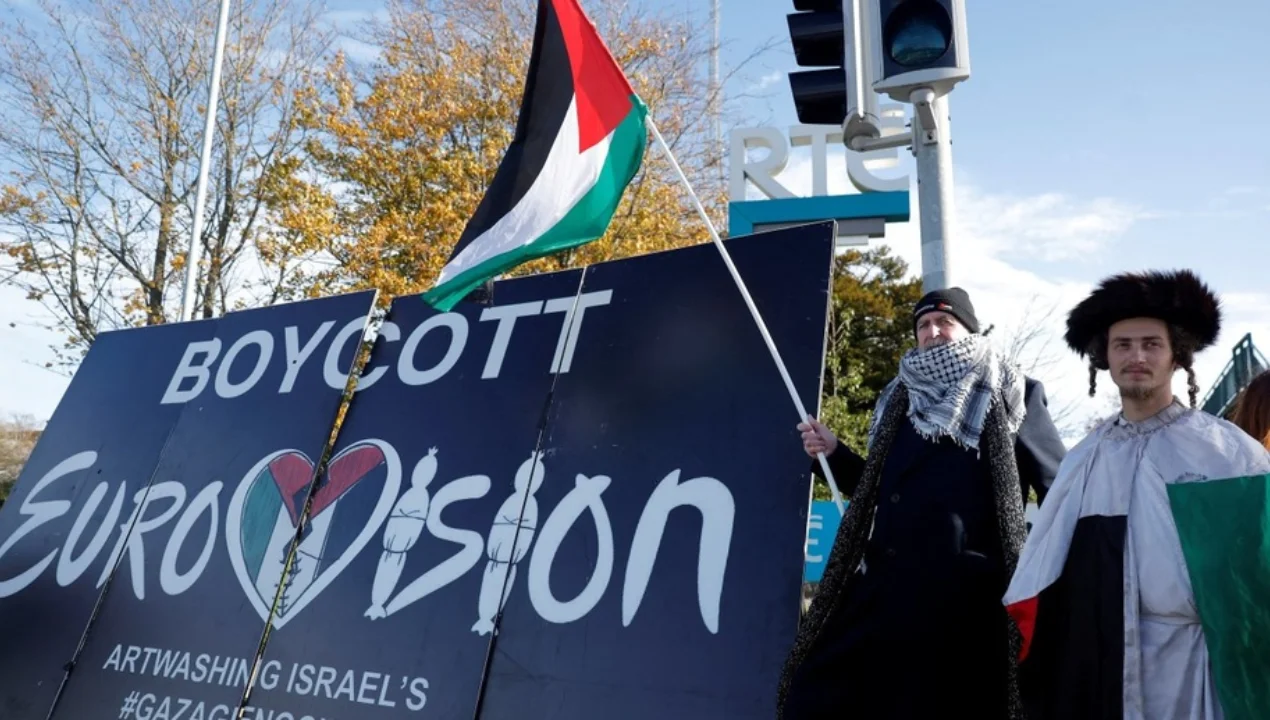
The controversy surrounding the "Eurovision-2026" contest: Spain and three other countries announced a boycott The decision by the European Broadcasting Union (EBU) to allow Israel to participate in the "Eurovision-2026" contest has sparked serious disputes around the competition. This was reported by Zamin.uz.
Certain countries proposed excluding Israel from the contest due to military actions in the Gaza Strip and their severe humanitarian consequences. Ireland, Spain, the Netherlands, and Slovenia, opposing this decision, announced they would boycott next year's contest.
These countries demanded that the Israel issue be resolved by a closed vote at the EBU meeting. However, at the session held in Geneva, this demand was rejected, and new rules based on consensus were approved.
According to the official statement, the "Eurovision-2026" contest will be held in the planned format but with enhanced security measures. Israeli President Isaac Herzog supported the EBU's decision, describing it as an expression of solidarity and friendship towards Israel.
However, the withdrawal of the countries that announced the boycott could lead to serious consequences. In particular, Spain is a member of the "Big Five" and contributes significantly to the contest's funding.
The withdrawal of Spain and the Netherlands is expected to negatively affect the prestige and unity of the musical project. The decisions of some major European countries are intensifying debates that the contest is turning from a musical event into a political arena.
This situation may cast a shadow over Eurovision's main goals of promoting unity and musical art.