



A 450 Million-Year-Old Marine Creature Found in New York
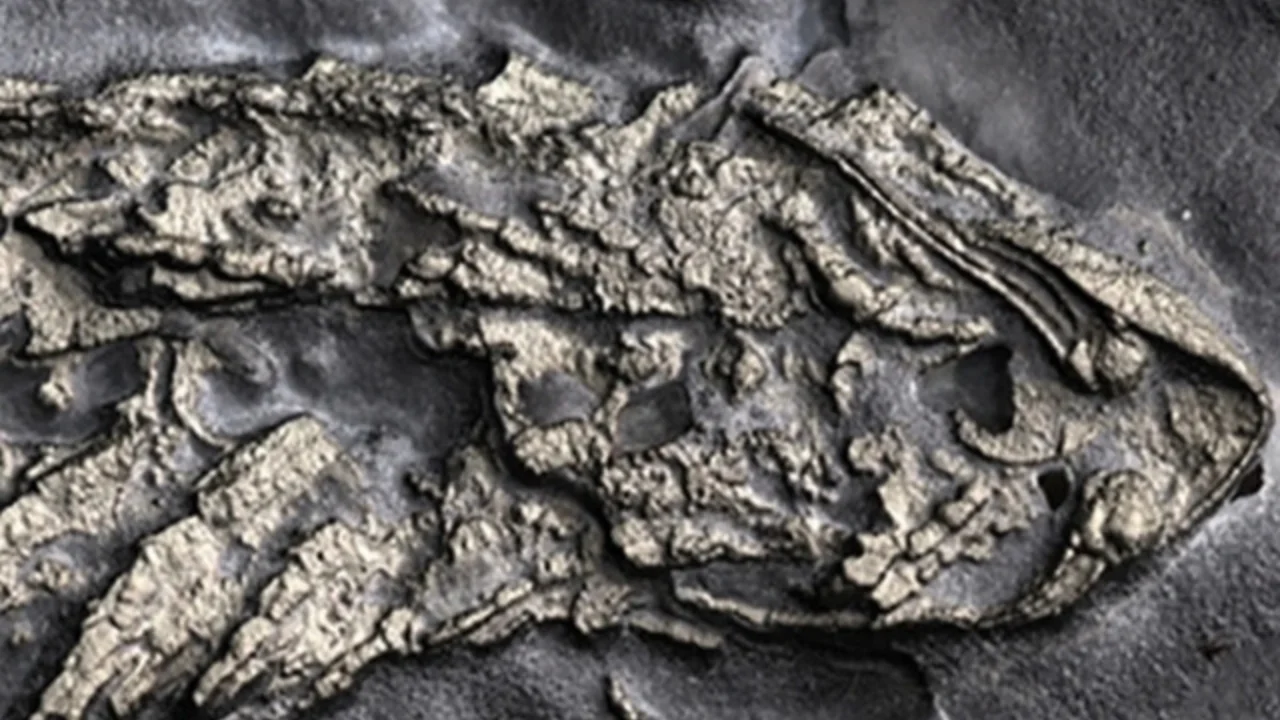
Scientists in the state of New York, USA, have discovered rare remains of a previously unknown marine creature that lived on Earth 450 million years ago. This was reported by Zamin.uz.
This new species has been named Lomankus edgecombei. The most remarkable aspect of the find is that these organisms have been preserved almost perfectly.
Over millions of years, their small body structure gradually replaced by metal, particularly pyrite. As a result, their shape and anatomy have reached us almost unchanged.
According to Luke Perry, a paleobiologist at Oxford University, pyrite forms when bacteria break down organic tissues in an oxygen-free environment. During this process, released gases react with iron to produce sulfide.
Perry compares such remains to “miniature islands specially prepared for pyrite formation.” Experts believe that these three-dimensionally perfectly preserved remains allow for a deeper study of the structure of ancient arthropods and their evolutionary process.
In particular, important information has been discovered about the process in which additional legs transformed into antennae, claws, or tooth-like structures during that period. This discovery is of great significance for studying ancient life forms.