Moscow cannot give up on labor migrants
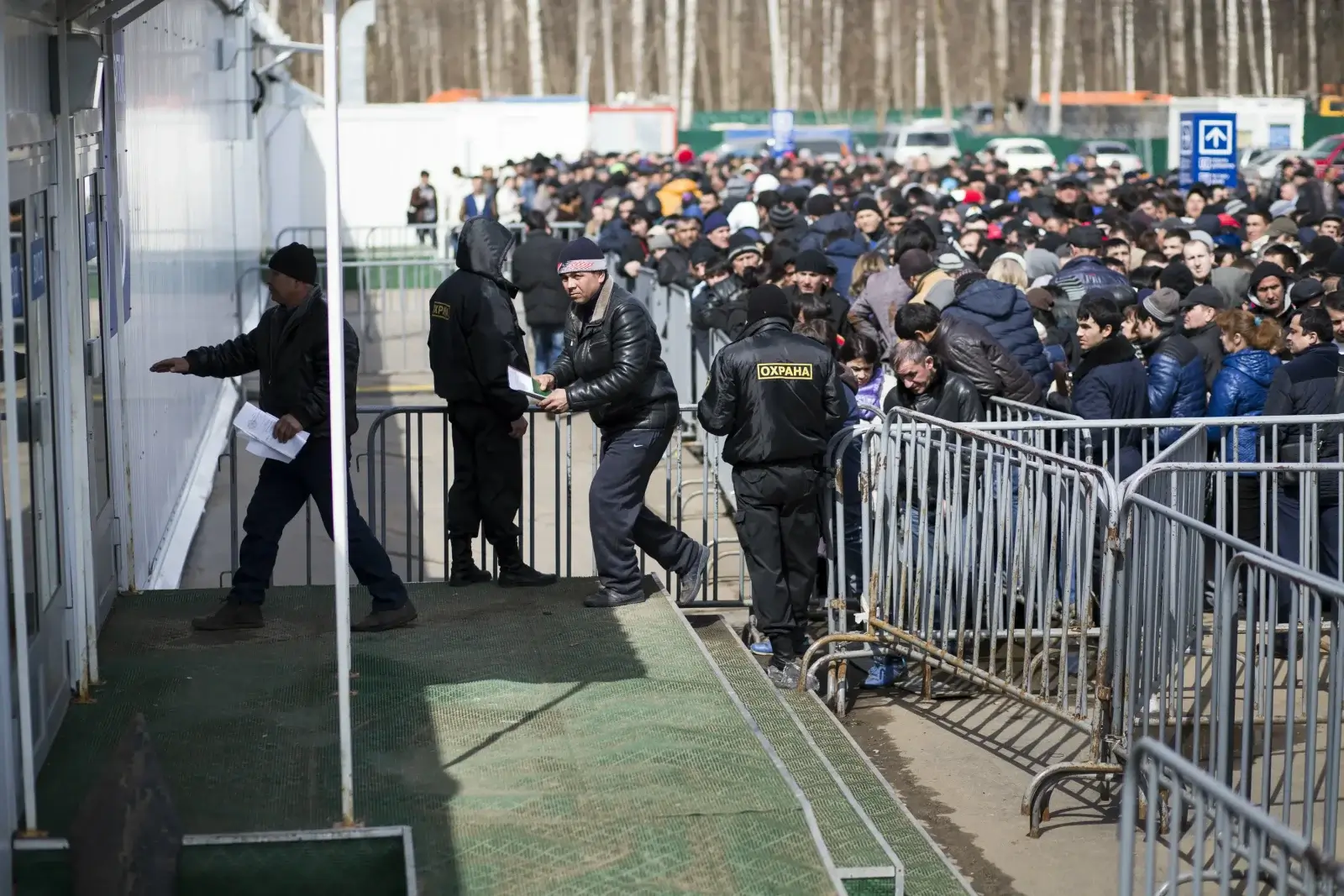
The city of Moscow has acknowledged that it will be difficult to give up labor migrants in the near future. This was reported by Zamin.uz.
This was announced by the mayor of the city, Sergey Sobyanin, at a meeting of the Moscow City Duma. According to him, currently there is a shortage of about 500 thousand workers in the city.
This requires a reconsideration of migration policy. Sobyanin emphasized that theoretically Moscow could operate without migrants.
However, in practice, the city's demographic situation and economic structure do not allow this. "The economy and demography set their own rules," he said.
According to the mayor, demographic decline, imbalance in the labor market, and shortage of local personnel in certain sectors demand carefulness and balance in migration policy. He also noted that the shortage of personnel will not disappear even if economic growth rates decline; on the contrary, it will deepen further.
Sobyanin also stressed that labor migrants make a significant contribution to Moscow's economy. According to estimates, they provide 5–6 percent of the city's gross regional product.
If the number of migrants decreases, this could lead to an increase in inflation levels and a shortage of personnel in industry, construction, and other sectors. In conclusion, Sergey Sobyanin announced his intention to pursue a consistent and systematic policy in the field of migration.
He emphasized that maintaining interethnic and interfaith harmony, as well as ensuring stability in society, will remain a key task for Moscow.



![Fransiya Usmonova proposed removing [the name] from the sanctions list](/uploads/mini/web-300/04/e8d7de74763e0760c29bdbfd3d91b77a.webp)