


Economic protests are intensifying in Iranian cities
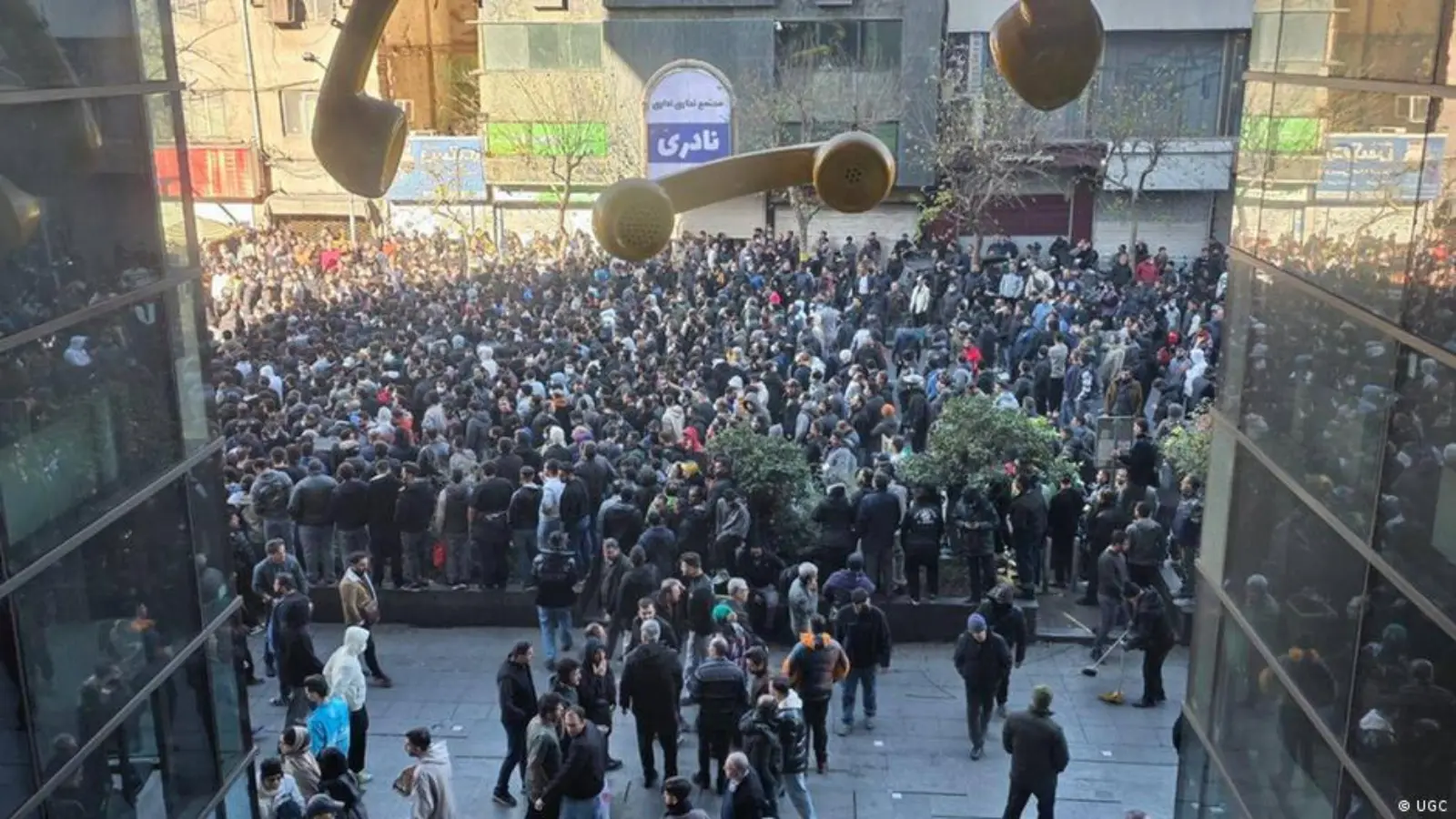
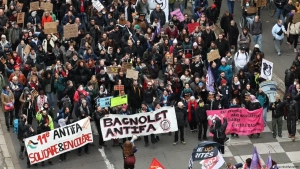
Mass protests have been ongoing in Iran's capital Tehran and other major cities since December 28. This was reported by Zamin.uz.
The main reason for these protests is cited as the deepening economic difficulties in the country. According to news agencies, students from major universities are actively participating in the demonstrations taking place in Tehran and Isfahan.
In some areas, minor clashes have occurred between protesters and the police. The police used tear gas to disperse the crowds.
The DPA agency reports that the protests are gradually taking on a political character. Slogans such as "Death to the dictator" and "Long live the king" are being chanted among the demonstrators.
These slogans may reflect opposition to Iran's Supreme Leader Ali Khamenei on one hand, and on the other hand, the idea of restoring the pre-revolution monarchy. On December 30, Iranian President Masoud Pezeshkian announced that he had instructed the Interior Minister to engage in dialogue with representatives of the protesters and listen to their legitimate demands.
According to the president, the government must act responsibly to stabilize the situation. AFP agency reports that the protests initially began in a major market in Tehran.
Mobile phone sellers and other entrepreneurs have been forced to close their shops due to hyperinflation and the devaluation of the national currency. Traders dealing especially in imported goods have fallen into a difficult situation.
On December 29, Iran's national currency, the rial, hit a new record low in devaluation: one US dollar equaled nearly 1.4 million rials. Following this, the head of Iran's Central Bank, Mohammad Reza Farzin, resigned.
Currently, Iran's economy is under pressure from high inflation, rising prices, and Western sanctions related to its nuclear program. President Pezeshkian has promised that measures aimed at curbing inflation and improving living conditions for the population will be taken in the near future.