


Dugin: The era of nation-states is over, sovereignty is in doubt
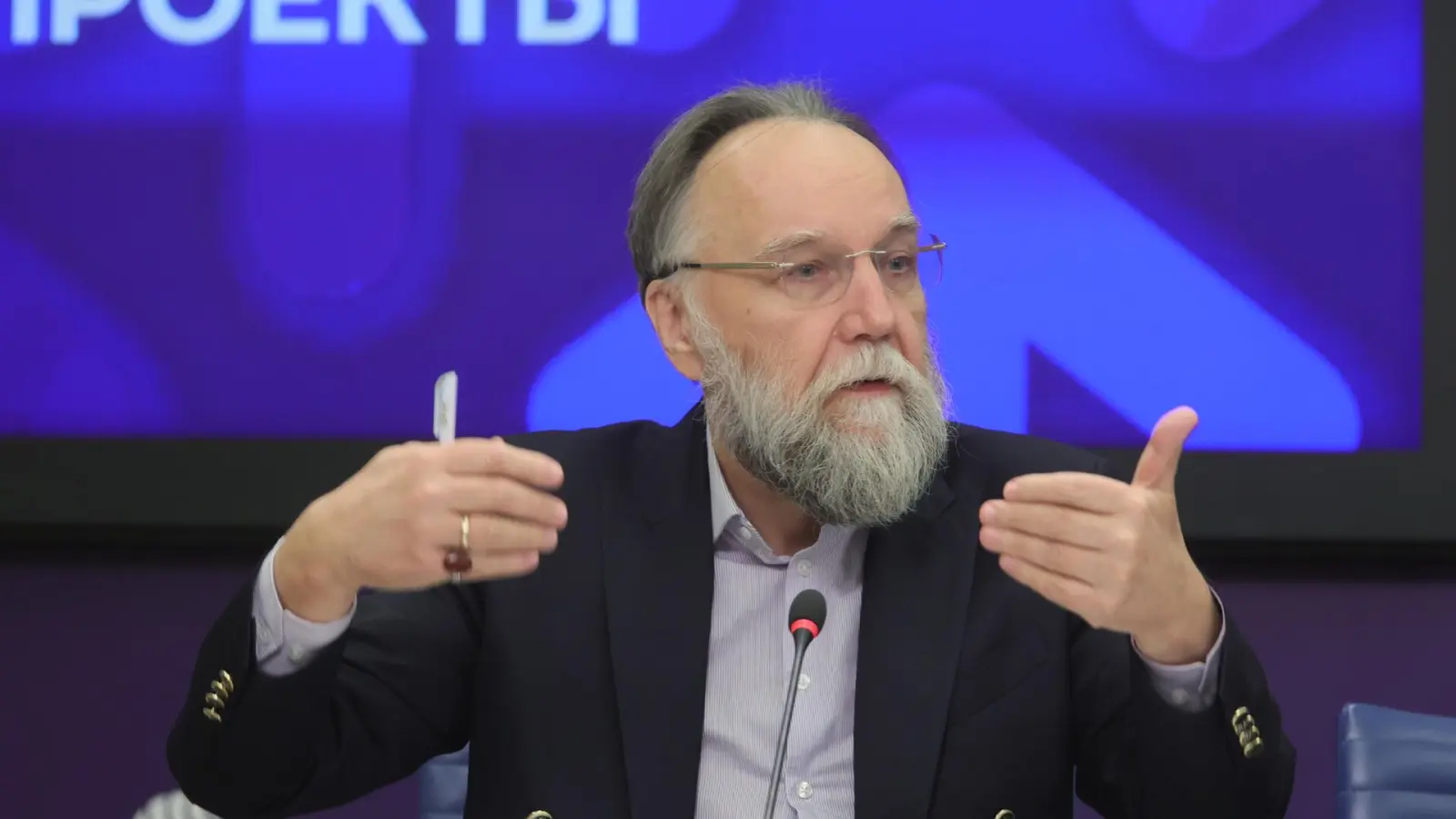
Russian philosopher Alexander Dugin expressed a sharp stance on the issue of sovereignty of states in the post-Soviet space in his recent interview. This was reported by Zamin.uz.
According to him, a new geopolitical model is forming in the world, and in this model, there is no place for independent nation-states. This idea has sparked significant debates in the information space.
According to Dugin's views, the world is transitioning to a "tripolar" system, in which Russia should become the central power. He believes that territories outside Russian influence may become footholds for other major powers, particularly the USA, the European Union, or China.
One of Dugin's most notable statements was the assertion that the era of nation-states has ended. He casts doubt on the sovereignty of certain countries, such as the Central Asian republics, presenting the new geopolitical system as the "legitimate" form of this situation.
Although this statement may appear as a philosophical discussion at first glance, it is actually interpreted as a form of political pressure. Alexander Dugin is often known for his neo-Eurasianist ideas and anti-liberal positions.
Each of his appearances is not merely a personal opinion but often aimed at preparing the audience for a certain mood. Recently, sensational statements have also increased in Russian mass media.
For example, Vladimir Solovyov's remarks about Armenia and Central Asia sparked wide discussion. The Russian Foreign Ministry stated that these views do not represent the official position of the state but are the personal opinions of the TV host.
Additionally, some countries are taking measures against individuals in Russia who make sharp statements. For instance, Alexander Dugin has been included in the list of "undesirable persons" in Kazakhstan.
Although such statements may not immediately change the political environment in the region, they can accelerate several dangerous consequences: they increase public anxiety and distrust, attempt to normalize the view that "sovereignty is conditional," and intensify pressure on the decisions of regional states. At this point, one thing is clear: sovereignty is ensured by a strong economy, rule of law, a robust security system, and national unity.
The state's systematic and effective organization of its affairs is the best response to such pressures. Not every statement in the information space necessarily becomes reality, but ignoring them is also incorrect.
What matters is relying on facts, monitoring official sources, and strengthening our internal stability. The future is determined not by the words of others but by our practical actions.