


A new crisis risk is increasing in the Strait of Hormuz
History is repeating itself, but today's situation could be more dangerous than before. This was reported by Zamin.uz.
The naval clashes known as the "tanker war" during the Iran-Iraq war in the 1980s have come back onto the agenda today. At that time, more than 500 ships were damaged and many sailors lost their lives.
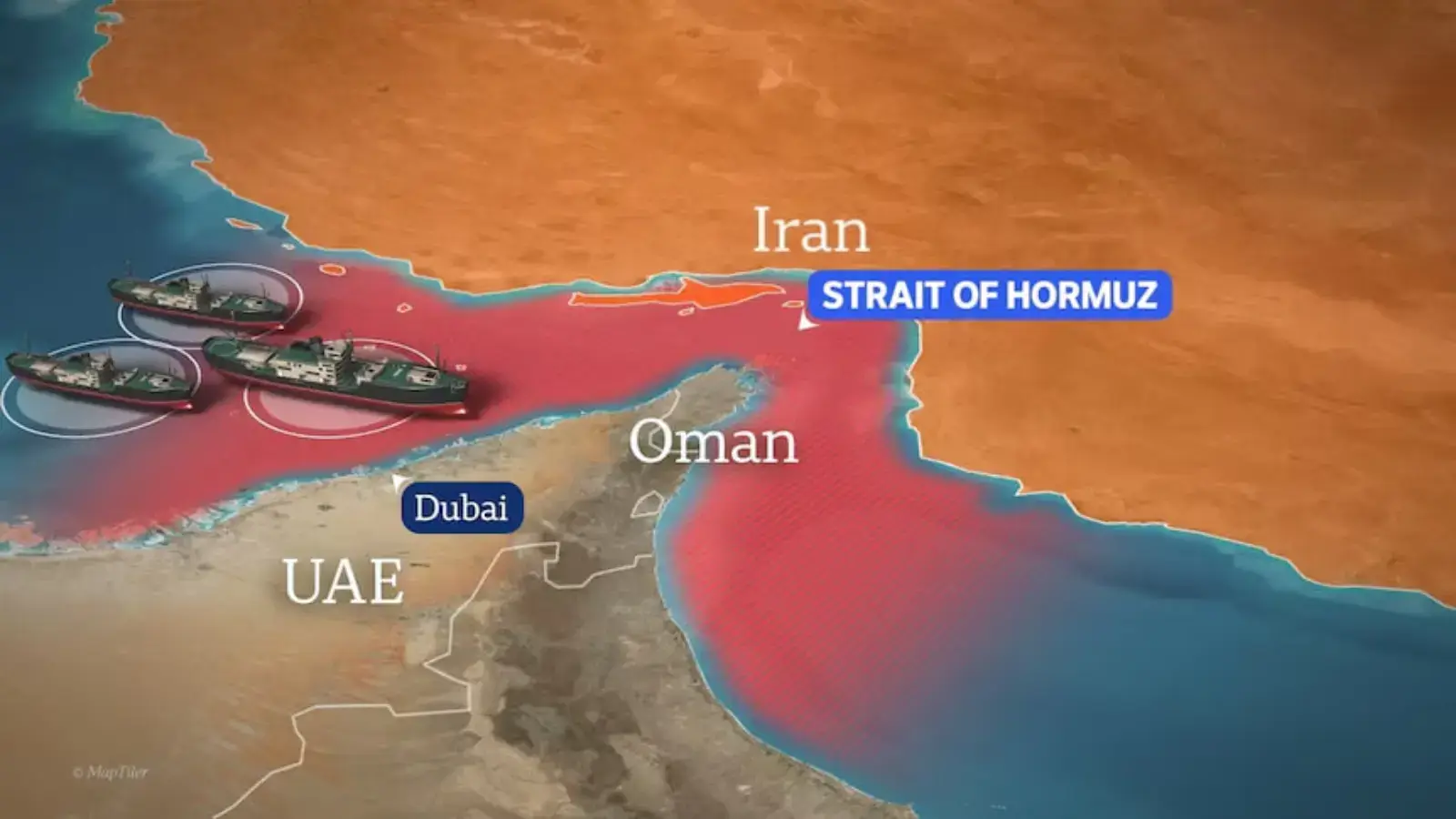
Currently, detailed information is being provided about a new crisis in the Strait of Hormuz. On February 28, following attacks on Iran by the US and Israel, Tehran began its response by blocking maritime routes.
This is not just a local conflict but an action that could have a significant impact on the global economy. The Strait of Hormuz is one of the world's most important energy corridors, with 35 percent of global crude oil trade and nearly 20 percent of liquefied natural gas passing through it.
So far, at least eight tankers have been attacked, resulting in two deaths. This has led to an almost complete halt in maritime transport and an increase in fuel prices.
The US is trying to escort commercial ships under military protection as it did in the 1980s, but these efforts are facing difficulties. According to analysts, the US will not be able to provide full protection within the next 10 days.
Resource shortages and a new threat — surface drones are being used to sink ships. Tehran's arsenal includes thousands of anti-ship missiles, small submarines purchased from Russia and North Korea, as well as a large stockpile of underwater mines.
Although mines have not yet been used, reports about them are raising maritime insurance costs. In this conflict, Iran is caught between two fires.
By attacking tankers, Tehran aims to force Washington to stop the war, but this move also puts its own economy at risk. Iran's oil is mainly sold to China, and this raw material also passes through this strait.
If the strait is closed, Iran itself will suffer losses. Therefore, blocking the Strait of Hormuz benefits no one, but the parties seem ready to use this energy corridor to strengthen their positions.
The question is whether the international community can quickly resolve this siege or if we will face a long-term "energy crisis"?