South Korea has started regulating artificial intelligence
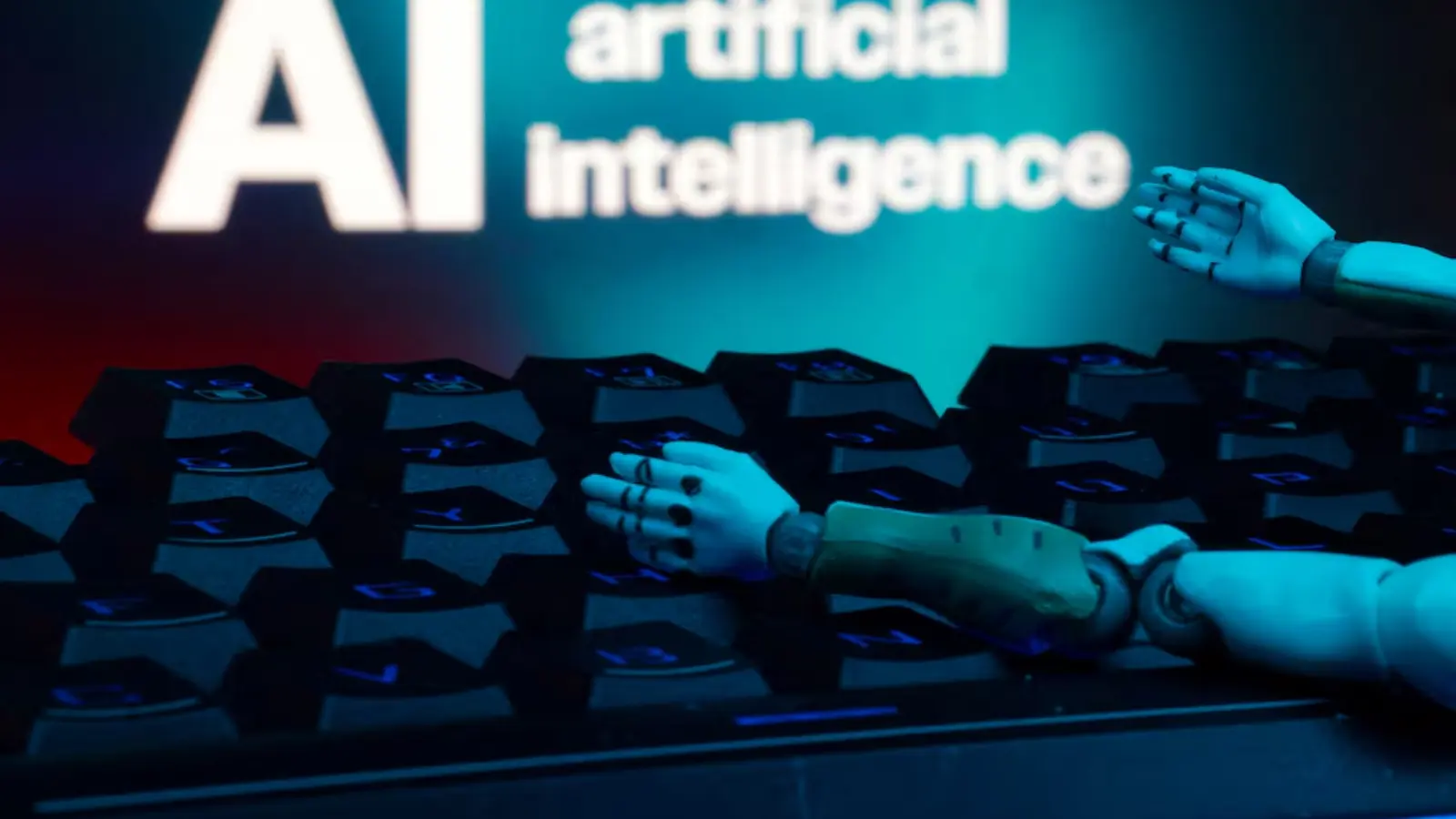
South Korea has become one of the countries taking significant steps to regulate artificial intelligence. This was reported by Zamin.uz.
The country’s “AI Basic Act,” which came into effect in January 2026, aims to regulate materials created with the help of artificial intelligence. According to this law, images, videos, audio, or other content produced by AI must be marked with a special sign – a “watermark.”
This allows users to recognize that the material is a product of artificial intelligence. The main goal of the law is to make AI services transparent and protect society from hidden manipulations.
In particular, control over materials created or edited by generative AI, including deepfakes, will be strengthened. For example, if someone creates a voice or face that looks real, it will not remain hidden and must be labeled.
The new law pays special attention to sectors assessed as high-risk. Specifically, the use of AI in areas such as healthcare, transportation, finance, and security will be strictly controlled.
Human oversight will take priority in these sectors. Administrative measures, such as fines, are envisaged for violations of the rules.
At the same time, the government has announced a transition period to allow companies time to adapt to the new requirements. This approach is not about punishing companies immediately but giving them the opportunity to adjust their operations.
The main reason for adopting such measures is the increase in disinformation and false information on the internet. Materials created with AI have become a powerful tool for convincing people.
South Korea has recognized this risk in time and is implementing legal regulations. The goal is to reduce disinformation and maintain public trust.
In conclusion, caution is now required when accepting content. Instead of the “I saw it – I believed it” era, the approach of “I saw it – I checked the source” is being introduced.
Although artificial intelligence has become a part of our lives, the necessity to identify and control its products is increasing day by day.