


Attacks in Tehran: Khamenei's fate remains unknown
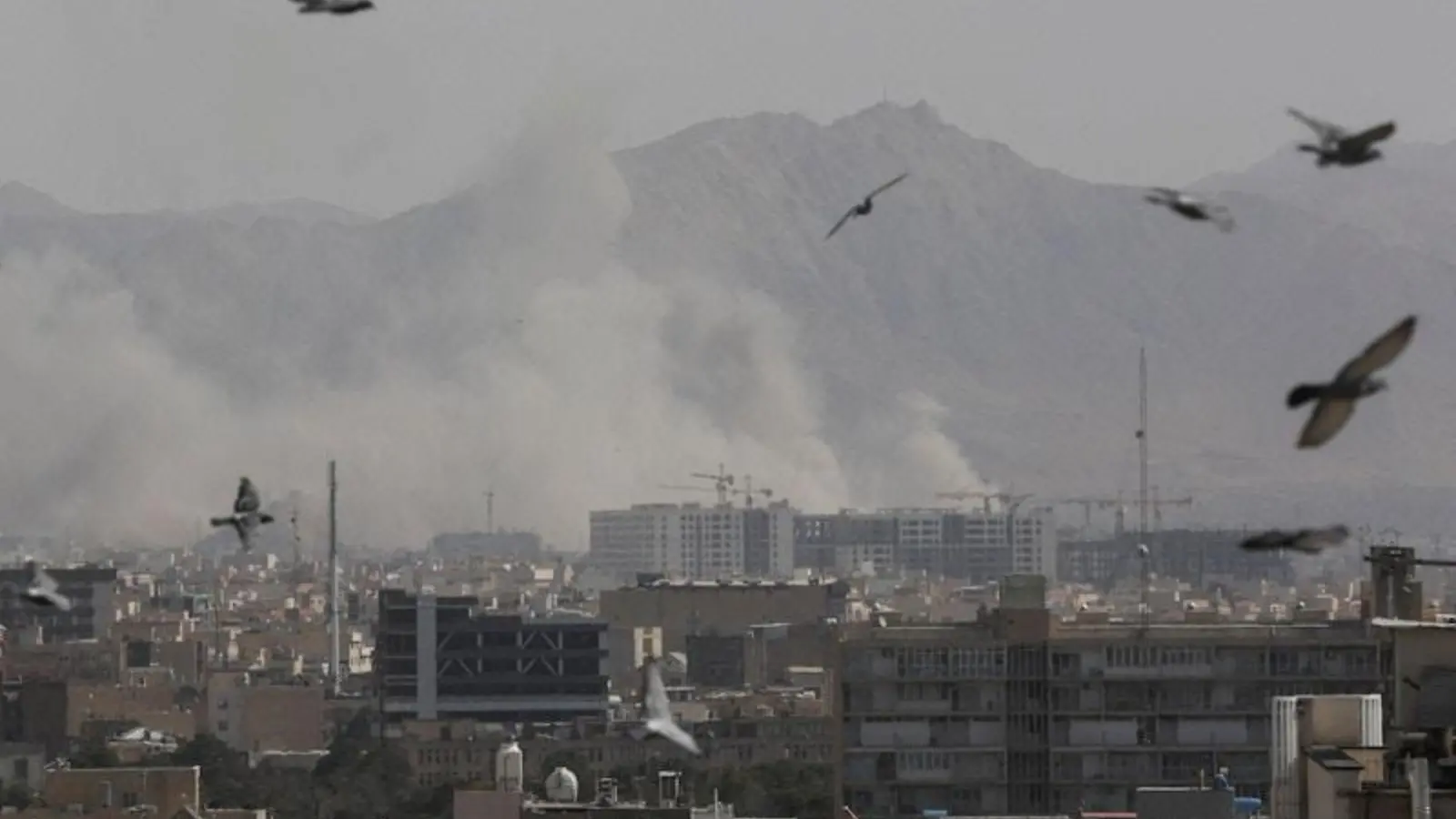
The recent events in Tehran have further complicated the political situation in Iran and the region. This was reported by Zamin.uz.
According to Reuters agency, during the strikes carried out by Israel and the USA targeting Iranian territory, the country's Supreme Leader Ayatollah Ali Khamenei and President Masoud Pezeshkian were among the targets. However, there is no complete information about the exact outcomes of these attacks, including the condition of these individuals.
Sources indicate that Khamenei was not in Tehran during the attack and was moved to a safe location. This situation has raised various questions about the whereabouts of the Supreme Leader.
Additionally, there are reports that several high-ranking officials close to the Revolutionary Guard have been killed. According to Reuters, the Iranian Defense Minister and the commander of the Revolutionary Guard may also be among the casualties.
However, these reports have not yet been independently confirmed. Iranian official sources have announced that Foreign Minister Abbas Araghchi is safe.
This indicates that conflicting information has spread regarding the fate of high-ranking officials. Satellite images published by The New York Times show significant destruction in the Tehran area.
In particular, black smoke was observed rising in the area where Khamenei's headquarters is located, and buildings have collapsed. However, these images do not confirm that the Supreme Leader was present at that location.
It is also suggested that the attacks may have reached the area where former President Mahmoud Ahmadinejad resides. However, information on this matter is currently unclear.
Ayatollah Ali Khamenei has been the Supreme Leader of Iran since 1989 and has been the main figure in the country's political and religious leadership. Any threat or strike directed at him could drastically change the situation in the region.
These strikes are considered not only military actions but also pressure on Iran's political system. The main question now is how Tehran will respond to this situation and whether these events will lead to new conflicts in the Middle East.
Answers to these questions remain unknown.