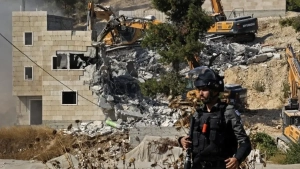



Successful Israeli airstrike against Iranian leadership
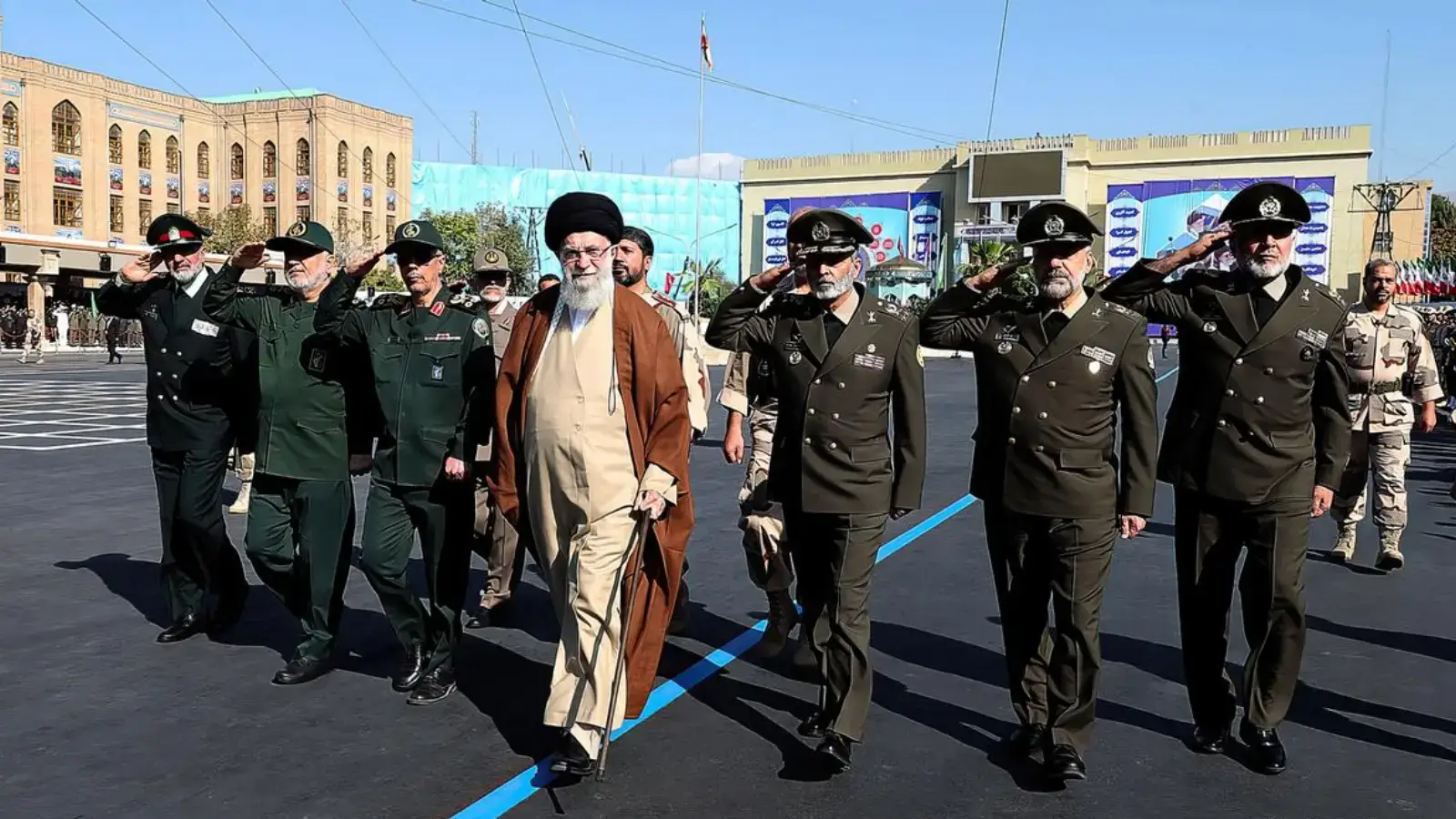
Israeli intelligence developed a plan to paralyze the Iranian regime with a single airstrike over nearly a year. This was reported by Zamin.uz.
The large-scale airstrikes that began on the morning of February 28 targeted the government center in Tehran. At that time, the supreme military-political leadership of Iran was holding a meeting at the center.
As a result of the strikes, Iran's supreme leader Ayatollah Ali Khamenei, the commander of the Islamic Revolutionary Guard Corps Muhammad Pakpur, and the defense minister Aziz Nasirzoda were killed. Military analysts are calling this event a "classic decapitation operation."
According to reports, the successful execution of the attack was largely due to the contribution of the U.S. Central Intelligence Agency. The intelligence service monitored the movements of Iranian leaders and provided Israel with the exact time and location of the meeting.
Military expert Anton Mamedov believes that "live intelligence" also played an important role here. There may have been a person within the Iranian government or among the staff serving the residence who was transmitting information to Israel.
Experts emphasize that the Israeli air force's daytime attack was aimed at a strategic goal. Firstly, it was a psychological pressure intended to demonstrate the regime's vulnerability.
Secondly, Israel wanted to show that it has full control over its air defense systems. More than 200 aircraft participated in the attack, quickly suppressing Iran's air defense systems.
According to Anton Mamedov, this is an example of 21st-century military art: the combination of human intelligence, technical surveillance, and precision weaponry. Do you think the elimination of Iran's top leadership will change the balance of power in the region, or will the new leadership continue the old policies?
To be among the first to know such urgent news, continue following zamin.uz.