


Porsche to discontinue its best-selling crossover
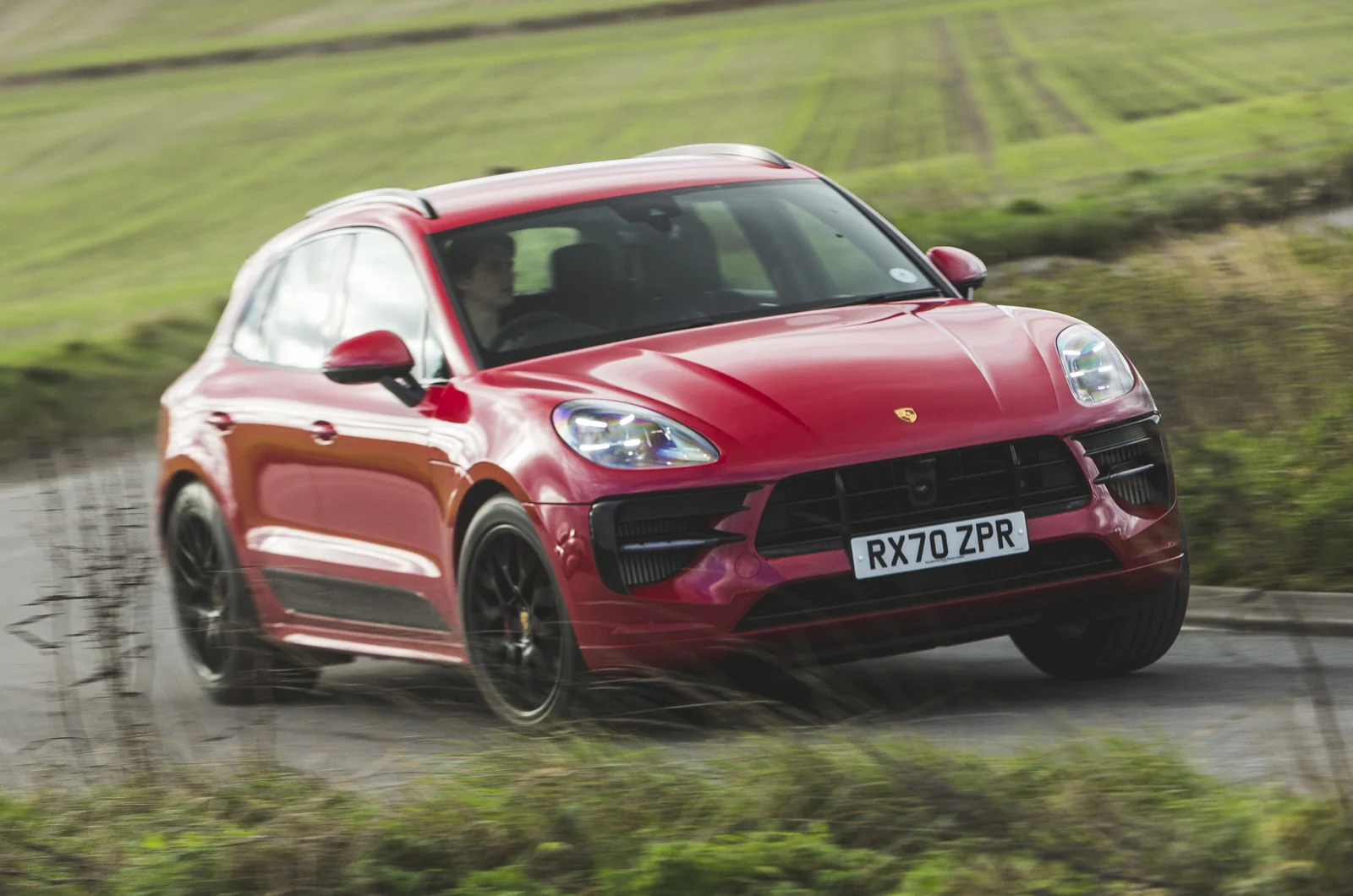
German automaker Porsche will discontinue production of the gasoline-powered Macan crossover—one of its best-selling models—by the end of July this year, Zamin.uz reported.
The unexpected decision signals a major shift in the company’s global strategy, especially since the next generation of the model is still at least two years away from launch, leaving industry experts surprised.
International publications and sector analysts have reported on the move, with Porsche’s leadership admitting they misjudged demand for the crossover, which has held its market position for over 11 years.
Initially, Porsche executives assumed customers would readily transition to the new Macan Electric EV. However, shifting market conditions and a slight cooling in global interest in electric vehicles forced a reassessment of those plans.
Oliver Blume, CEO of the Volkswagen Group, acknowledged in interviews with influential outlets that discontinuing the gasoline Macan was a mistake. According to him, the product was planned based on market conditions at the time, but the situation has since changed fundamentally.
Recent six-month sales data confirms this: of the more than 35,000 Macan units sold, nearly half were gasoline-powered variants, showing strong continued demand.
Since its debut in 2014, the Macan has played a pivotal role in Porsche’s development. Alongside the Cayenne, it helped boost the company’s profitability and sales volume, securing a strong foothold in Europe, North America, and China.
Now, discontinuing the model leaves a noticeable gap in Porsche’s lineup. The brand is currently developing a gasoline-powered successor based on the new Audi Q5 platform, but until that new generation arrives, loyal customers will have to wait.
Technical factors also contributed to the halt. Upgrading the Macan’s outdated electronic systems to meet the European Union’s new cybersecurity requirements would have required massive investment.
Porsche leadership deemed these costs unjustifiable and decided to phase out the model gradually from global markets. Nevertheless, the company has built up inventory reserves in its largest market—the U.S. and other regions—to avoid a sharp drop in sales.
Porsche planned to produce additional gasoline-powered units through the end of July, with these stocks expected to last until 2027.