


Cryptographic protection system cracked using quantum computer
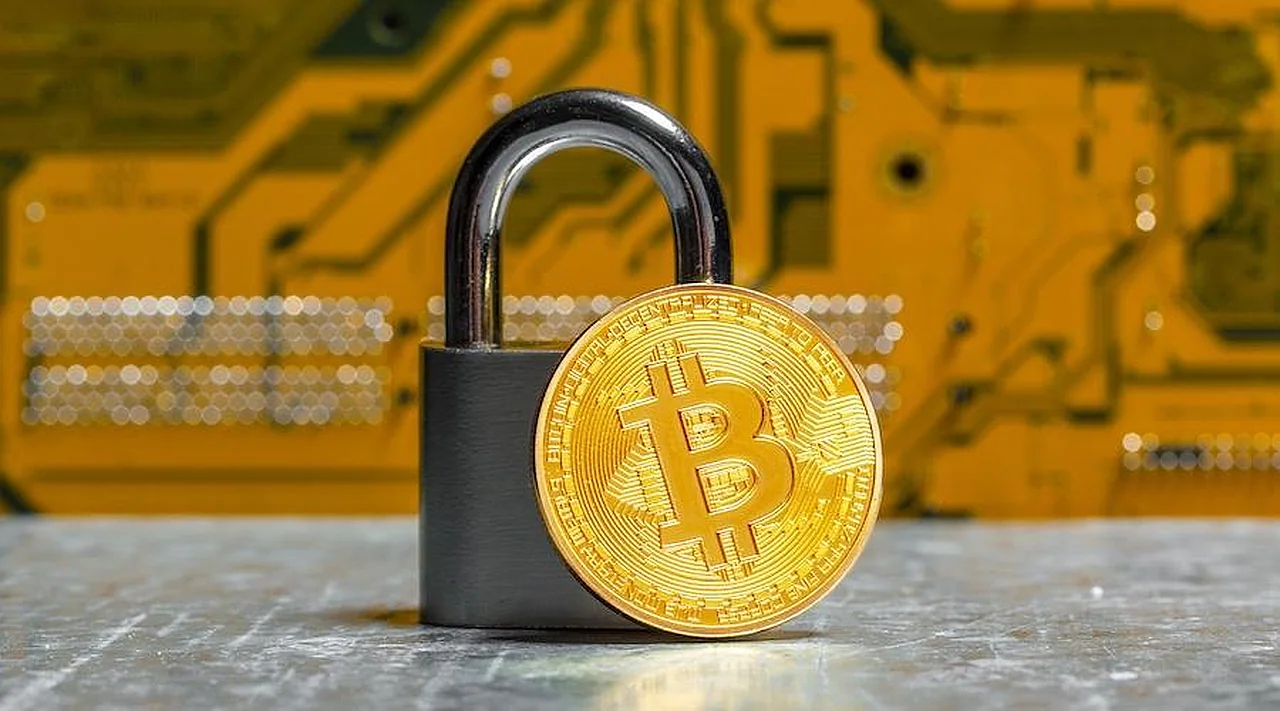
Independent researcher Giancarlo Lelli succeeded in breaking a 15-bit elliptic curve key using a publicly accessible quantum computer. This was reported by Zamin.uz.
This technology is the mathematical foundation of the digital signature methods that ensure the security of Bitcoin, Ethereum, and many other blockchain networks. The startup Project Eleven evaluated this event as the largest quantum attack in the history of cryptography and awarded the researcher with a prize of one bitcoin.
Industry publications are reporting on this development. In his experiment, Lelli used a special version of Shor's algorithm, which helps solve discrete logarithm problems on elliptic curves.
He managed to determine a private key based on a public key from over 32,000 possibilities. In September of last year, engineer Steve Tippeconnic broke a 6-bit key, but Lelli's result exceeded it by more than 500 times.
This indicates that quantum computing technologies are developing rapidly. So far, this achievement does not pose a direct threat to Bitcoin security, because the most popular cryptocurrency wallets are protected by a 256-bit elliptic curve encryption system.
According to experts, the gap from 15 bits to 256 bits is still very large, but this is no longer a fundamental physical problem — it is becoming an engineering task. This situation is pushing the digital world to transition more quickly to post-quantum cryptography, that is, protection systems resistant to quantum computers.
According to Project Eleven data, approximately 7 million bitcoin public keys are stored in wallets visible on the blockchain. In the future, when more powerful quantum computers are created, this could make them vulnerable.
According to Google Research calculations, breaking 256-bit protection may require hundreds of thousands of physical qubits, but current systems have not yet reached this level. Nevertheless, this experiment calls for a new perspective on the security of digital assets.