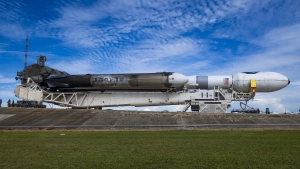
SpaceX's Starship rocket set a record for payload delivered to orbit
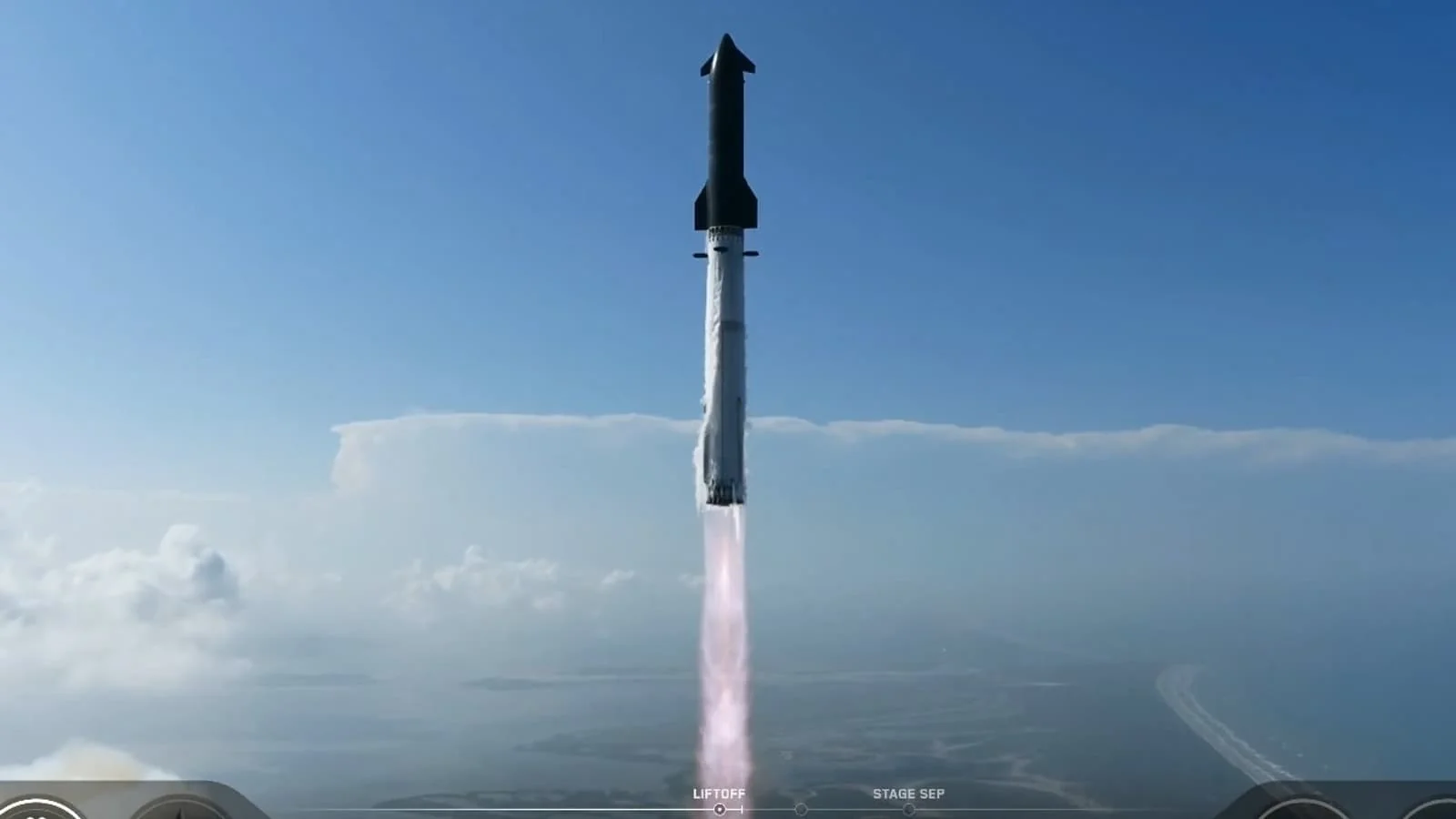
SpaceX set a new record in space logistics during the second test flight of its Starship system, according to reports from Zamin.uz.
During the flight, the rocket delivered payloads of Starlink artificial satellites with a total mass of approximately 45 tons into Earth orbit. This achievement marks the heaviest payload ever delivered to orbit in a single launch since 1973, when the Saturn V rocket launched the Skylab space station.
At that time, the Saturn V placed a 77-ton payload into orbit. The accomplishment was confirmed by both network sources and Elon Musk himself.
Experts emphasize that this event represents a significant step toward the development of reusable space technology. The Starship system is gradually approaching its primary goal.
That goal is to create a launch system with the highest payload capacity in history that is also the most cost-effective. In the future, this system is expected to significantly reduce the cost of delivering payloads to orbit.
For comparison, the Falcon Heavy rocket can deliver more than 63 tons to low Earth orbit—but only if its stages are not reused, meaning they are not returned to Earth.
The key advantage and distinction of the Starship system lies in the fact that all of its components are designed for full reusability. This helps reduce the cost per launch and expands access to space.
Earlier, the Starship rocket successfully launched 20 Starlink payloads and two specialized devices designed for imaging into orbit. In upcoming phases, the system is planned to launch actual artificial satellites.
This process will greatly accelerate the expansion of the global satellite communications network and usher in a new era in space technology. Such successful trials also lay the groundwork for realizing humanity’s plans to colonize Mars and the Moon.