


NASA confirms Blue Origin's plans to fly to the Moon
The United States National Aeronautics and Space Administration (NASA) has decided to keep Blue Origin’s lunar mission plans unchanged until 2027, despite recent setbacks. This was reported by Zamin.uz.
Following the serious failure of the New Glenn rocket in late May and damage to the launch infrastructure, concerns had arisen about the project’s future. However, NASA confirmed it does not currently intend to suspend its strategic partnership with the company.
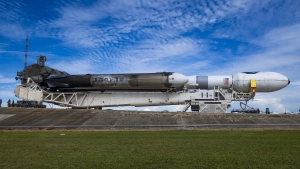
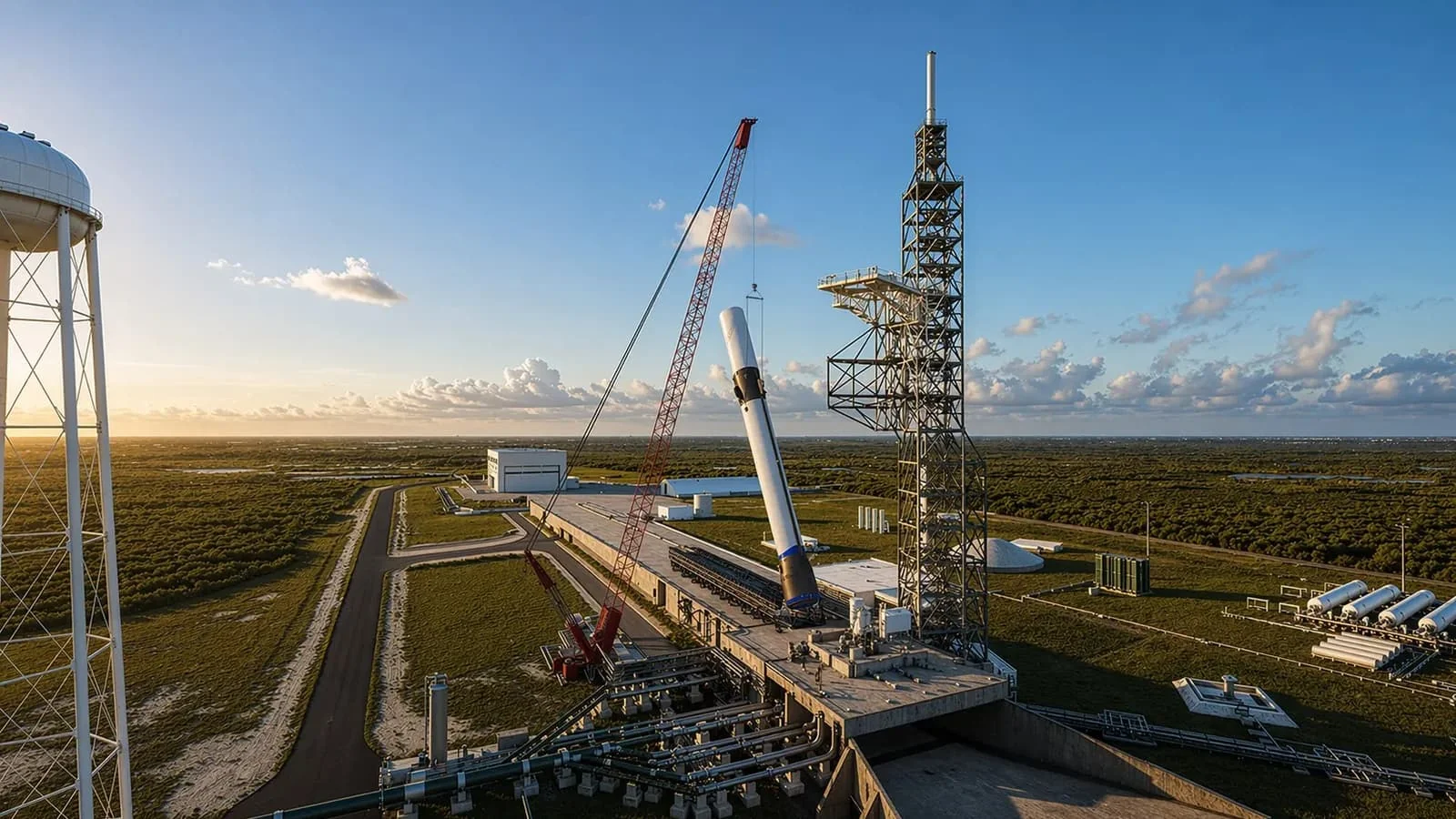
According to NASA officials, Blue Origin is actively working to restore the launch complex. During engine testing, a powerful shockwave caused by the explosion completely disabled the sole operational site, including the flame deflector protection system and the specialized transport-and-erection system used to raise the rocket into vertical position.
This situation has presented the company with new technical challenges. In the aftermath of the accident, Blue Origin is fundamentally re-evaluating its technical approach.
Instead of rebuilding the previous complex transport-and-erection system, the company plans to shift to a method where the rocket is assembled directly on the launch table using cranes. Experts believe this approach could save time and significantly reduce the risk of similar issues in the future.
The New Glenn rocket plays a central role in Blue Origin’s lunar ambitions. Specifically, it is expected to deliver cargo modules and future controllable units to NASA under the Artemis program.
Initial plans called for the first cargo mission to launch this year, but technical glitches and infrastructure problems have forced a delay. While NASA continues to treat its collaboration with Blue Origin as the primary plan, the agency is also evaluating contingency options.
To ensure the lunar program timeline remains intact, NASA is considering alternative launch vehicles, including SpaceX’s Falcon Heavy and United Launch Alliance’s Vulcan rocket.
The investigation into the cause of the accident is still ongoing. Preliminary analyses suggest the issue originated in the lower section of the rocket’s first stage. The company has sufficient telemetry data and video footage available, which should allow for a prompt identification of the exact fault.
In summary, NASA considers the current situation to be under control and does not expect significant delays through 2027.
However, if the process of certifying the New Glenn rocket for flight encounters further setbacks, it could directly and negatively affect the timeline of humanity’s broader return to the Moon and subsequent expeditions.