



Chinese Olympians unveil world's first neurodynamic chip
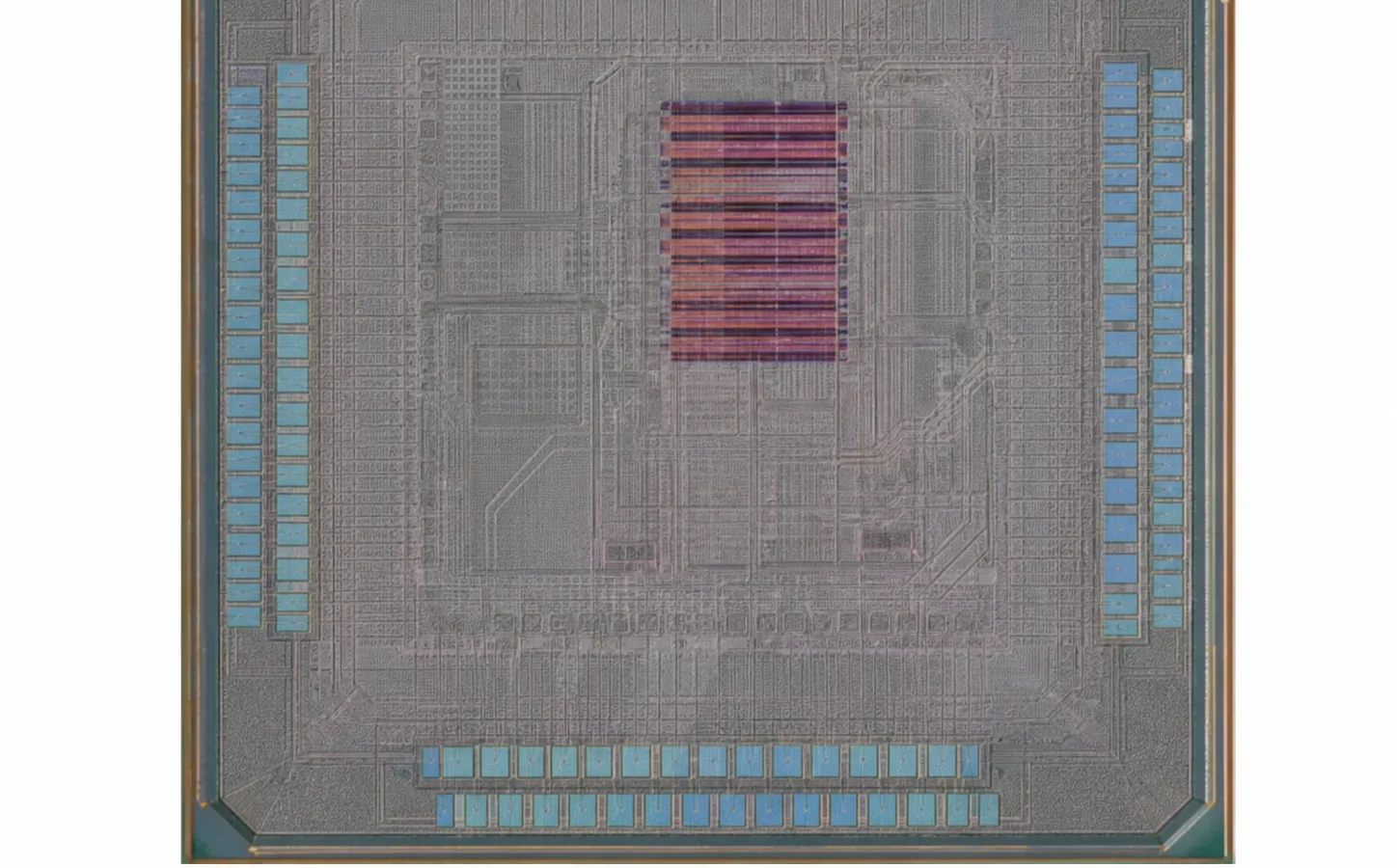
Chinese scientists have achieved a major breakthrough in microelectronics, according to Zamin.uz.
Researchers from Peking University and specialists from the Chinese Academy of Sciences have jointly presented the world’s first memristor-based neuromorphic chip. This new development processes information directly within memory using in-memory computing technology, surpassing the performance of today’s most powerful graphics processors in computational speed.
Details of the invention have been widely reported in industry publications. According to sources, the chip was manufactured using a 40-nanometer technological process.
The research findings were published in influential scientific journals. The key feature of this development is that it reduces the single-step computation time of neuromorphic systems to just 2.12 milliseconds.
This performance enables the chip to operate hundreds of times faster than modern graphics cards in specialized complex tasks. In traditional computer architectures, data constantly moves between memory and processor, causing significant delays and excessive energy consumption.
In contrast, the phase-change memristors used by Chinese engineers perform both data storage and computation simultaneously. This approach eliminates data transfer bottlenecks and sharply increases system efficiency.
The chip’s technical specifications are also impressive. Its computing area occupies a very small volume.
The device operates at a frequency of 50 megahertz and includes programmable pulse generators, analog-to-digital converters, and other essential components. Despite its compact size, it can process highly complex algorithms in sub-millisecond timeframes.
This technology is primarily intended for extremely complex scientific tasks, such as modeling the human brain’s cortex. The transition of neuromorphic hardware systems to millisecond speeds serves to make artificial intelligence systems more energy-efficient and intelligent.
In the future, this breakthrough is expected to usher in a new era in robotics and the control of complex dynamic processes. For countries like Uzbekistan, which are undergoing technological modernization, such discoveries are of great importance.
The production of affordable and efficient chips will, in the future, reduce the cost of high-performance devices and enable their widespread adoption. China’s achievement demonstrates that viable and more efficient alternatives exist in the global semiconductor market, even as large corporations currently dominate.