


NASA found serious errors in Boeing's Starliner program
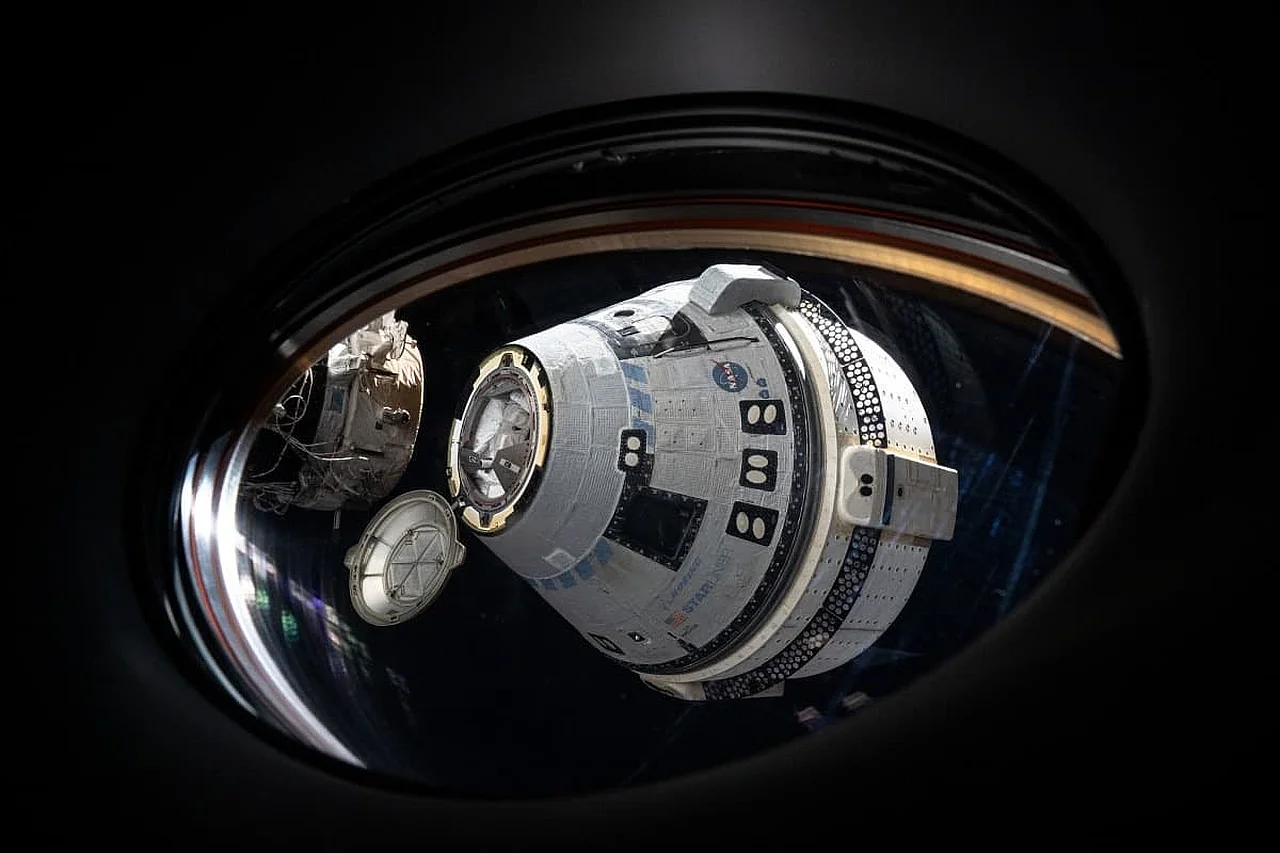
The U.S. National Aeronautics and Space Administration (NASA) has officially acknowledged that technical issues with Boeing’s Starliner spacecraft stemmed from systemic management failures and planning shortcomings, according to a report by Zamin.uz.
According to a new report from NASA’s Office of Inspector General, delays and in-flight anomalies in the program are posing a serious threat to the future of the commercial crew initiative. This analytical document provides a detailed explanation of why one of the largest projects in the space industry has fallen behind schedule.
The report states that the contract model between NASA and Boeing significantly restricted data exchange, leaving agency personnel without full access to telemetry and safety data from spacecraft simulations.
Furthermore, the lack of information on hazardous scenarios—such as potential loss of vehicle or crew—undermined the ability to properly assess systemic risks before flight, creating conditions that allowed unexpected anomalies to emerge during the test flight mission.
Experts suggest that Boeing placed excessive confidence in its legacy technologies and failed to realistically assess the timelines required to prepare the new spacecraft. Although the project had been repeatedly stated to be completed every six months since 2021, the first crewed flight did not actually occur until June 2024.
This pattern of delay and poor planning negatively impacted the quality of spacecraft system testing. During Starliner’s most recent mission to the International Space Station, serious malfunctions were observed in the thrusters.
As a result, the spacecraft was forced to return to Earth uncrewed, while the astronauts remained aboard a SpaceX vehicle. According to the NASA report, staffing shortages in the agency’s Commercial Crew Program have reached 21%, slowing down safety analysis and certification processes.
Currently, several core issues remain unresolved regarding the program’s future. Problems with the thrusters’ attitude control system have not been fully resolved, and overheating of components in the service module remains without a definitive solution.
As a result, the next mission was launched in an uncrewed test configuration. Final certification for regular flights has been pushed back to at least 2027.
Boeing leadership maintains that most issues are under control and corrective actions are underway. However, NASA’s advisory panel expresses concern that critical flaws in the spacecraft still persist.
This situation represents not only a financial setback for Boeing but also a serious blow to its reputation in the space industry. Compounding the matter is the fact that the operational lifespan of the International Space Station is set to end in 2030.
If the Starliner program does not achieve full operational capability in the coming years, its practical relevance could vanish entirely.