


Rolls-Royce tests the world's largest aircraft engine
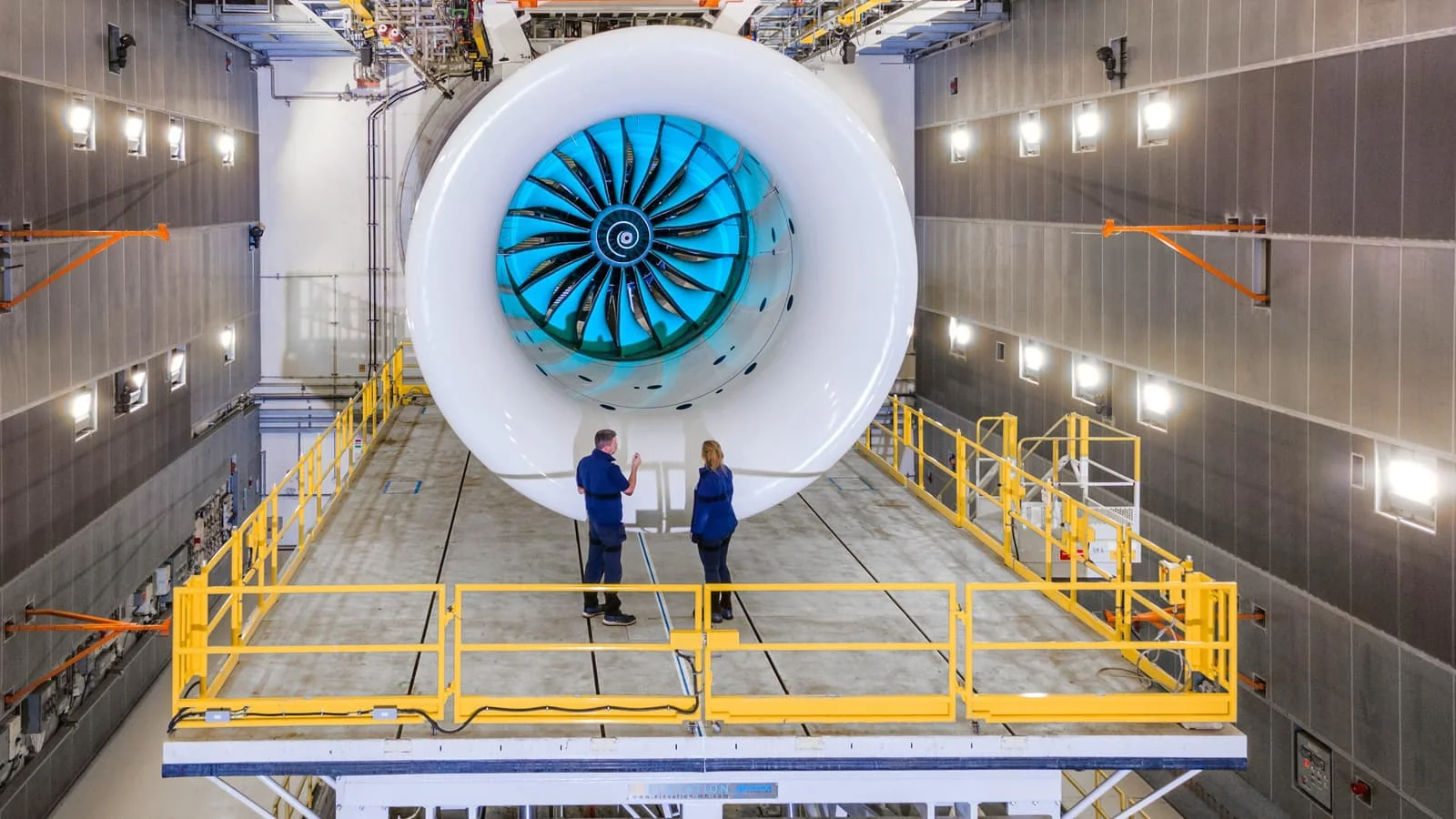
Rolls-Royce, a British company, is advancing its UltraFan 80 project—designed to create a more efficient aircraft engine—to a new phase. This was reported by Zamin.uz.
The company’s leadership announced that testing of this massive engine will begin by the end of 2026 at a specialized test facility in Derby. The technology is expected not only to deliver high power but also to significantly improve environmental efficiency, potentially transforming modern aviation standards.
According to available data, during initial tests conducted in 2023, the engine prototype operated successfully for nearly seventy hours. Following this, engineers focused on refining the device’s design and addressing any shortcomings.
The updated UltraFan 80 features a new high-pressure air compressor and a series of technical modifications aimed at extending operational lifespan. These enhancements are expected to significantly increase the engine’s reliability.
Rolls-Royce is not limiting itself to large engines. Parallel development is underway on a more compact version, dubbed the UltraFan 30.
This model is intended for medium-sized passenger aircraft, with its first trials scheduled for 2028. By pursuing this path, British engineers aim to compete with other major global players who are already leading in the market.
One of the key stages in the project involves transitioning from ground tests to flight tests. Specialists aim to reach the sixth level of technological readiness.
This means the engine must demonstrate its reliability and safety in an environment as close as possible to real flight conditions. Such a complex process demands high responsibility and precision from engineers.
It is worth noting that the UltraFan 80 may not be fully compatible with any currently existing aircraft model. Developers believe its capabilities are so advanced that implementing it would require designing an entirely new generation of liners.
In other words, this technology is ahead of its time, and the aviation industry will need to adapt to meet its demands. Such innovations are also highly significant for Uzbekistan’s aviation market in the long term.
As our national aviation fleet is regularly updated, the emergence of engines that are up to twenty-five percent more fuel-efficient could help reduce flight costs in the future. Additionally, this would lower environmental impact and support ecological sustainability.
Although it has not yet been disclosed which aircraft will host the tests of the new engine, company leadership expresses full confidence in the project’s success. The anticipated trials in 2026 will serve as a decisive milestone in determining the future of this engineering marvel.