


Use of the Claude Code application by Alibaba employees is prohibited
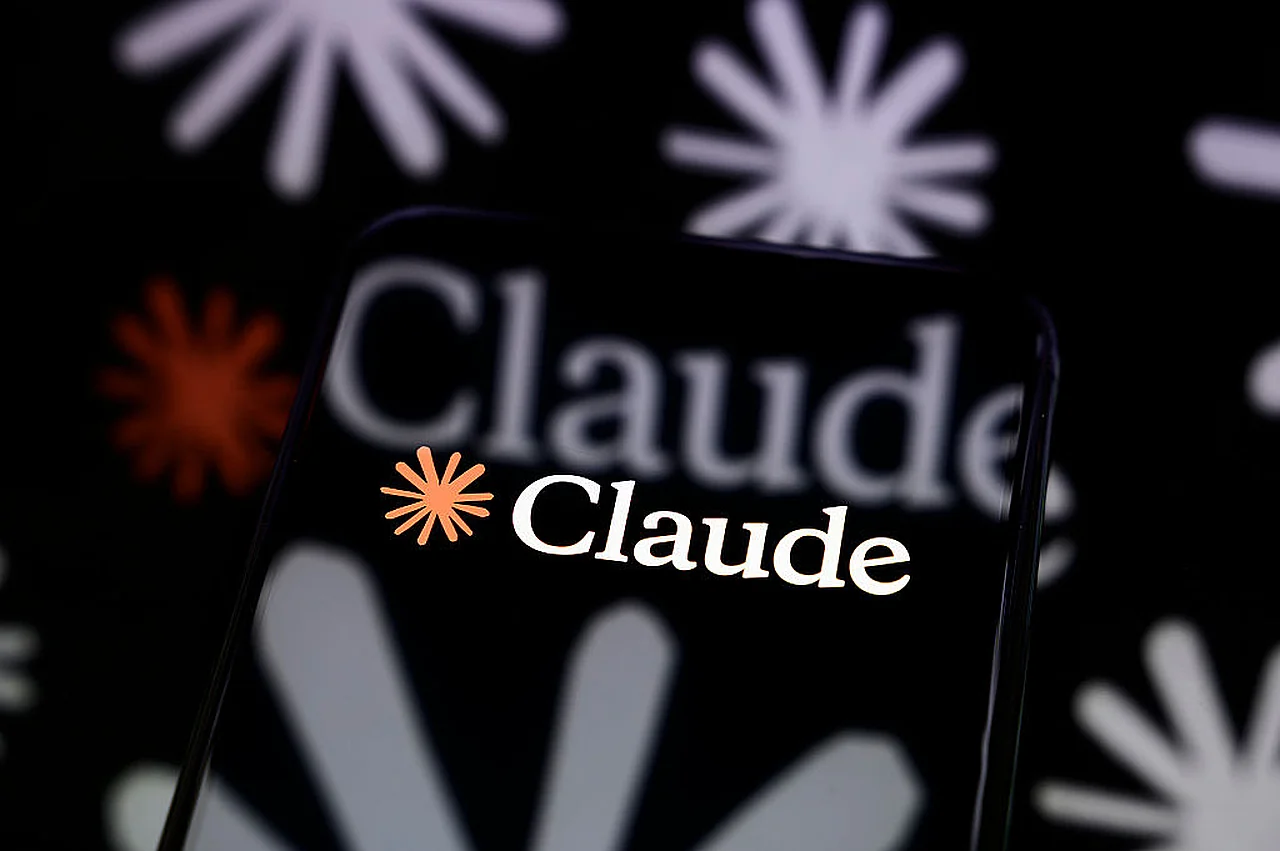
Alibaba, one of the largest corporations in China's technology sector, has officially banned its employees from using Claude Code, the programming assistant developed by Anthropic. This was reported by Zamin.uz.
Effective from October 10 of this year, the decision is expected to go into force and is being viewed not merely as a routine security restriction, but as a new phase in the political and technological rivalry shaping the global artificial intelligence market. The information has been widely covered in international media and has drawn attention from industry experts.
Indeed, Anthropic, the U.S.-based company behind Claude Code, had previously restricted access to its services for Chinese companies and their foreign subsidiaries. Nevertheless, many users had managed to access the system through various workarounds and technical methods.
According to the latest reports, Anthropic is actively working to close these loopholes and strengthen protections against unauthorized use of its system. Circulating on social media are claims that certain versions of the Claude Code software include a feature designed to detect users' connections to mainland China with high precision.
Anthropic representatives have commented on the situation, stating that this process is part of an experiment that began in March. They emphasized that such measures are necessary to prevent the illegal sale of usage data and to protect against the practice of training one AI model on the data of another.
Alibaba's leadership has classified the use of Claude Code as a high-risk software tool. The company has strictly mandated that its employees use its own internally developed product, the Qoder system, instead.
This step is regarded as a strategic move aimed not only at preventing corporate data leaks but also at reinforcing local technological sovereignty. The situation serves as a clear example of the technological rivalry between the United States and China.
While leading U.S. companies strive to protect their technologies, Chinese giants are being forced to reduce external dependencies and build their own ecosystems. For specialists in Uzbekistan, such developments may offer an important lesson.
Overreliance on global services may in the future lead to unexpected restrictions or raise concerns about data security. Alibaba's experience shows that even large corporations, despite having access to the most advanced foreign solutions, prioritize their own security above all.
In the future, the artificial intelligence market is expected to become even more strictly divided along regional boundaries.