China tests sea-based missile interception
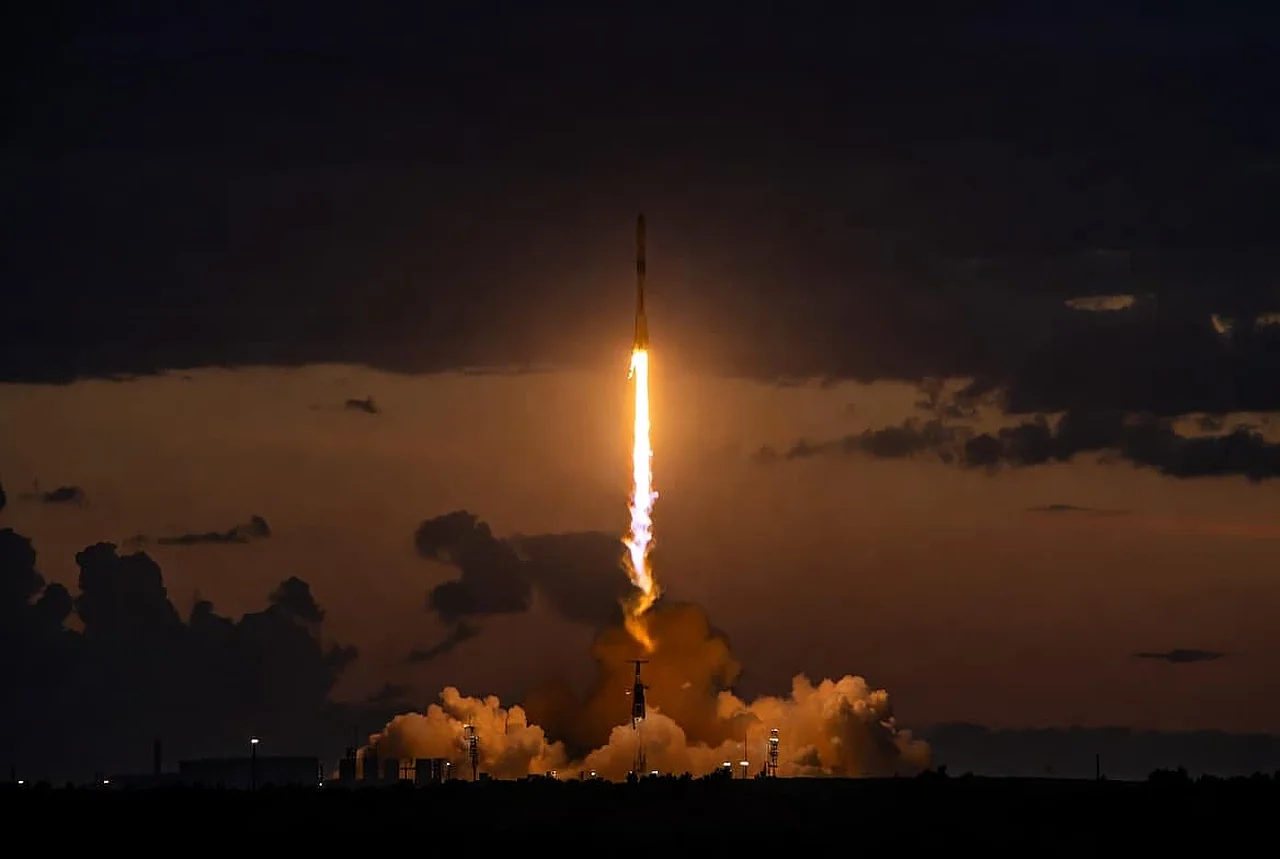
China is entering a new and unique phase in mastering near-Earth space and improving rocket technology, Zemin.uz reports.
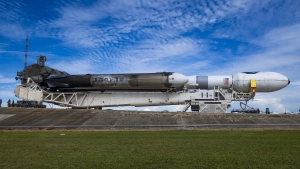
The country's engineers are seriously preparing for the first test flight of the Long March 10B launch vehicle, designed for multiple uses. The key feature of this project is the plan to catch the rocket's first stage at sea using a giant net.
This method is still rarely used in the global space industry and has attracted international attention. According to Chinese state media, favorable launch conditions are expected in mid-July at the Wenchang Commercial Spaceport.
The test is expected to open a new page in world cosmonautics. Unlike the familiar vertical landing method, Chinese specialists have chosen the technology of catching the rocket in flight, like catching a bird.
If this experiment yields the expected results, the process of refurbishing rockets and reusing them will become much simpler and more economical. A special vessel named Navigator will be deployed to intercept the rocket stage at sea.
This giant sea platform can lift twenty-five hundred tons and is equipped with modern positioning systems. Special mechanisms installed on board and a wide net must safely catch the descending part of the rocket.
Engineers emphasize that this approach eliminates the need to install heavy landing gear on the rocket, which in turn significantly increases its useful payload capacity.
The Long March 10B rocket was developed by the China Academy of Launch Vehicle Technology and consists of two stages. It is primarily intended for launching artificial satellites into low Earth orbit and carrying out deep space missions.
This model also serves as an important test platform for China's future lunar program. The rocket uses modern engines, with its second stage operating on a liquid oxygen and methane fuel mixture.
The success of these tests will not only strengthen China's position in space but could also create a new approach to rocket recovery in the global space industry. While leading companies worldwide focus on landing rockets on solid platforms, Beijing's strategy of catching them in flight may prove more effective.
Experts believe the flight of the Long March 10B is an integral part of China's long-term plans to land humans on the Moon. The anticipated historic event in July will be closely watched by space enthusiasts and specialists around the world.