


The United States has greenlighted the deployment of driverless cars for extraordinary services
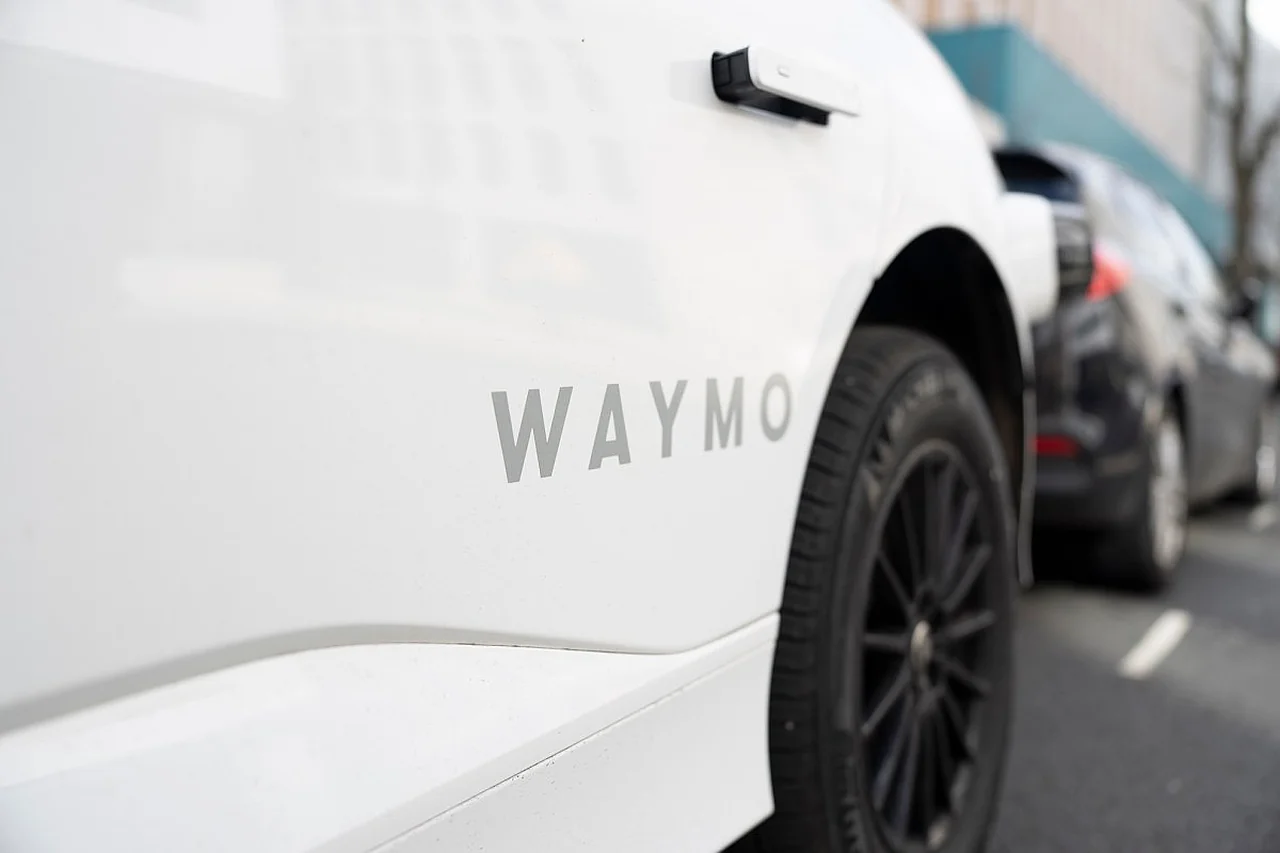
The National Highway Traffic Safety Administration (NHTSA) of the United States has urgently demanded that companies developing autonomous vehicles cease providing exceptional services. This was reported by Zamin.uz reported.
In an official directive issued by agency head Jonathan Morrison stated that autonomous vehicles obstructing emergency services is absolutely unacceptable and this news outlets.
According to the agency, a dangerous trend is currently being observed where autonomous systems are involved. Driverless vehicles are entering accident scenes and blocking the paths of emergency medical and fire vehicles.
The most concerning aspect is that these technologies still cannot reliably recognize safety signals such as emergency vehicle lights, smoke, fire, and special road markings.
Therefore, developers are required to present a solution to this issue by the end of the current month.
Morrison warned companies in his letter, calling the inability to detect exceptional situations a functional. According to him, such incidents are not rare exceptions but rather a part of everyday traffic.
Therefore, creators of autonomous vehicles must direct all their capabilities toward eliminating this systemic error. Although no specific company is named in the official document, specialists emphasize that this requirement primarily applies to major robotaxi operators.
Conducted studies show that in large cities, several serious incidents related to driverless vehicles have been recorded. In some cases, rescuers were forced to manually take control of the vehicle to move it away from the scene.
The regulatory agency has stated that companies operating autonomous vehicles should be held accountable just like ordinary drivers. Every second counts when police or medical personnel are rushing to a call, as human lives are at stake.
Normally, drivers who yield to emergency services are fined or deprived of liberty. Now, these strict measures may also be applied to technology giants.
At the same time, regulatory bodies are working on updating federal safety standards. In the future, some mandatory technical requirements for vehicles produced without steering wheels and pedals may be canceled.
However, such leniency will only be granted if the vehicle's safety system reaches a perfect level. In Uzbekistan, modern technologies and smart city projects are also actively developing.
Thus, studying international experience and creating a solid legal foundation for driverless transport will be important in the future for ensuring road safety. Technological progress must serve human safety.