A new basic phone was created to reduce smartphone dependency
In today's world, smartphones have become an inseparable part of our lives, but excessive connectivity often leads to mental fatigue and constant anxiety, as reported by Zamin.uz.
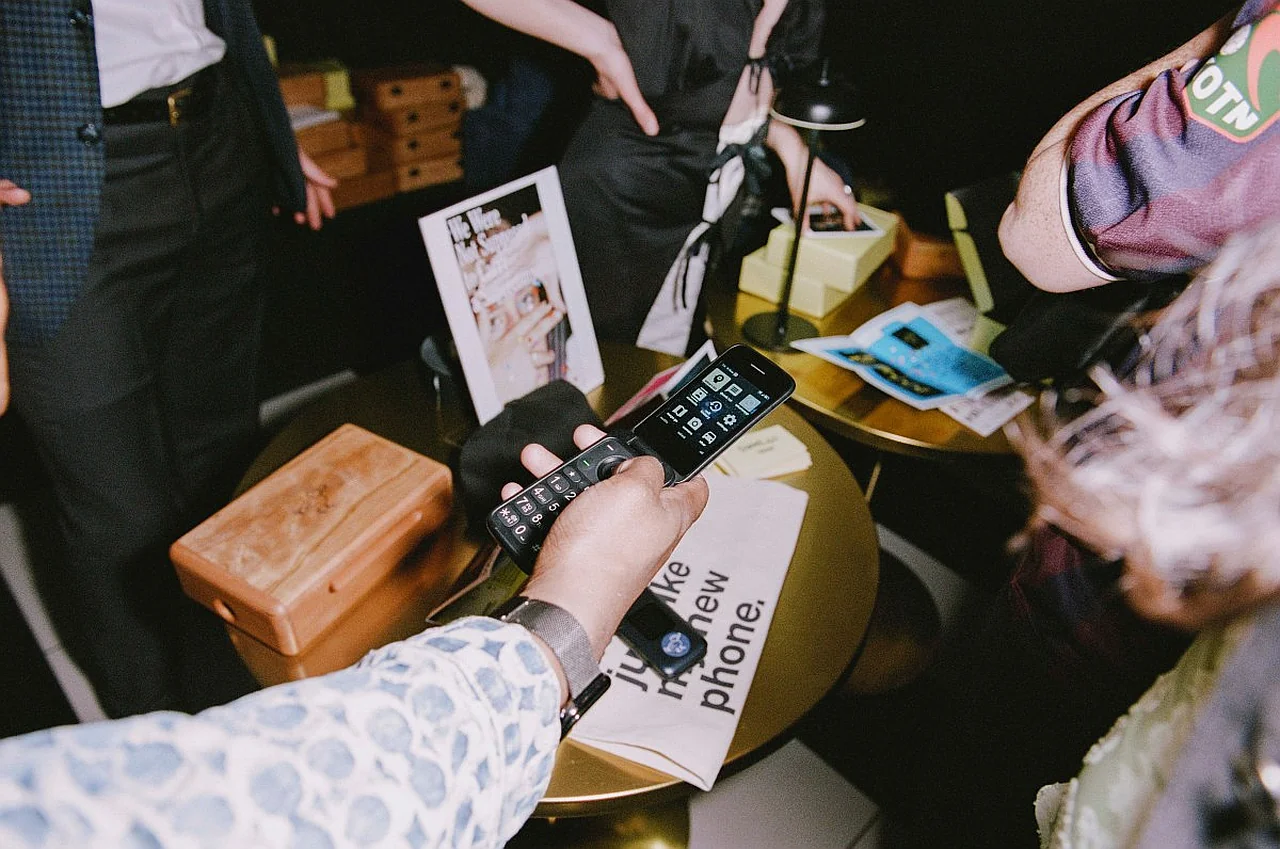
According to TechCrunch, the startup Dumb Co has offered a unique solution to this problem by developing a special simple phone model for those who wish to temporarily disconnect from complex devices. This is not merely a return to old technology, but an attempt to find the golden balance between digital overload and real life.
The company's main goal is not to completely abandon smartphones, but to leave them at home for a certain period and go out with only a modest device capable of performing essential tasks. One of the project's founders, Lydia Pibodi, shared her personal experience, emphasizing that distancing herself from her smartphone had a positive effect on her mental state and freed her from constant unease.
According to her, hours spent in front of a screen drain a person's energy without them even realizing it. Although the new device resembles old button phones in appearance, its internal software has been updated to meet modern requirements.
The phone allows users to communicate via essential messengers, listen to music, and use taxi services. Most importantly, this device stays connected to the main smartphone.
Through a call forwarding system, all incoming calls to your primary number can be received on this small phone. This enables the user to stay in touch with loved ones while distancing themselves from the endless flow of information on social media.
According to company representatives, such devices can help revive face-to-face communication in society. Their aim is to create conditions for people to interact more with each other instead of staring at screens.
This phone is not just a means of communication—it can also serve as a unique reason to start a conversation. Using a button phone on the street often sparks curiosity and even admiration.
Of course, using such devices comes with its own challenges. For example, typing text using buttons is much slower and less convenient than on a touchscreen.
Moreover, the device's performance speed cannot compete with that of modern powerful phones. However, it is precisely this slowness that teaches a person to focus and enjoy every moment of life.
In Uzbekistan's market, too, there has been a noticeable increase in demand for simple button phones in recent years. Although many use them as a secondary means of communication, for the younger generation tired of the digital world, this could become a new direction.
Such an approach offers people the opportunity to take control of their time and avoid being enslaved by technology.