


Uzbekistan to open three new consulates in the USA
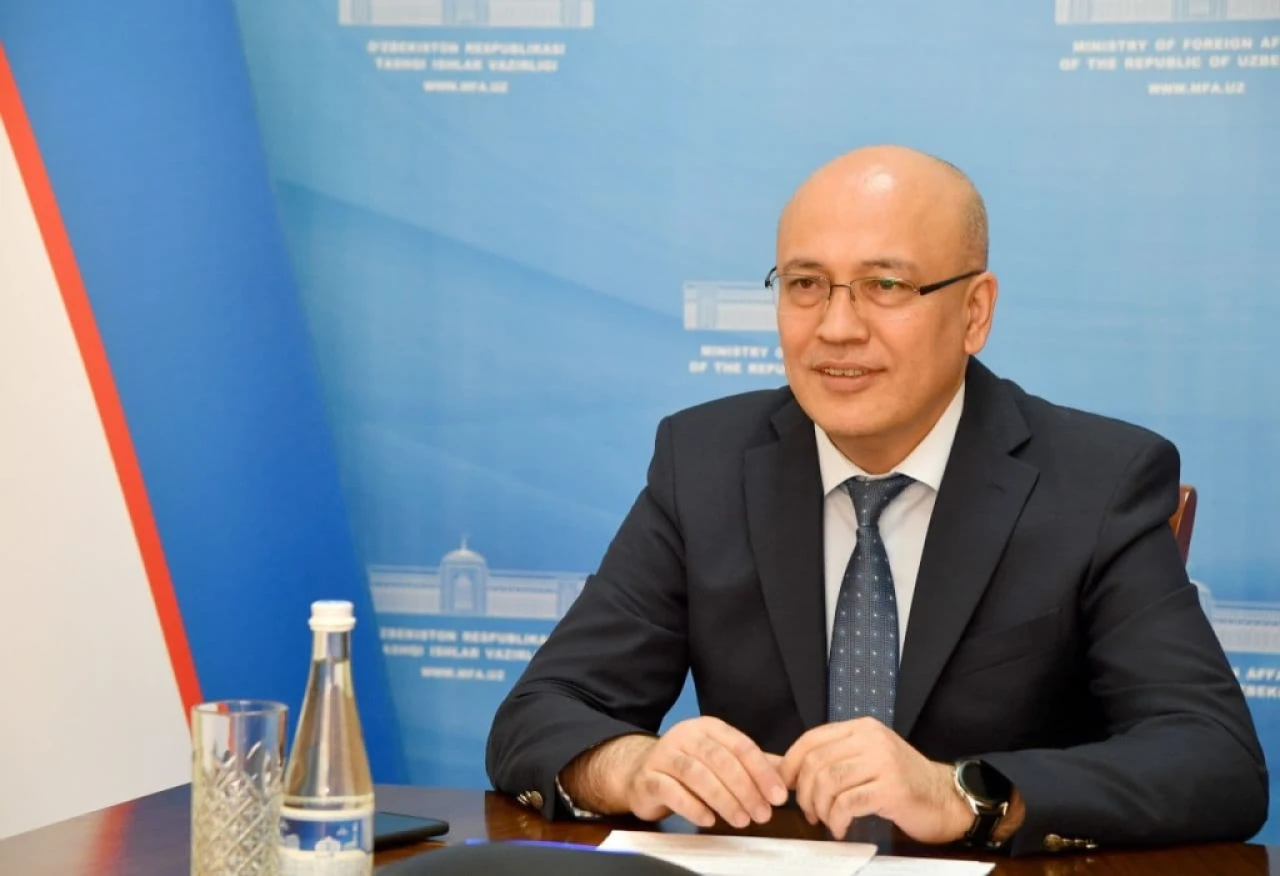
Uzbekistan plans to expand its diplomatic activities in the United States and increase international air routes. This was reported by Zamin.uz.
In addition to the country's existing embassy and consulates, three new consulates are expected to open in the USA. Furthermore, the geography of air routes may expand towards the states of California and Florida.
This was announced by Uzbekistan's ambassador to the USA, Furqat Sidikov, during a meeting with entrepreneurs. According to the ambassador, until now, Uzbekistan's interests have mainly been represented by the embassy in Washington and the main consulate in New York.
Now, new consulates are planned to be opened in Chicago, San Francisco, and Washington state. This step is being taken against the backdrop of the introduction of a visa-free entry regime for US citizens to Uzbekistan starting from 2026.
Additionally, the ambassador emphasized that Uzbekistan remains the only aviation hub in the region with direct flights to the USA. Currently, five flights per week operate on the New York route.
In the future, direct flights towards California or Florida are being discussed. Furqat Sidikov criticized the current approaches to promoting Uzbekistan in the USA, describing many materials as "template."
He recommended developing services and products tailored to a specific audience in the tourism sector. As part of the new promotion strategy, Uzbekistan has started cooperation with the National Geographic channel.
The channel's creative team is planned to visit the country to film a documentary series. This project aims to introduce Uzbekistan's tourism brand to an international audience.
The ambassador also stressed the need to direct funds not to official events but to strong marketing and attracting reputable global bloggers. Additionally, it was reported that Uzbekistan is conducting negotiations with the USA to simplify the visa application process for their citizens.
It was noted that this process may take a long time and largely depends on decisions from the US side.