


Was LRAD used in the US plan to kidnap Maduro?
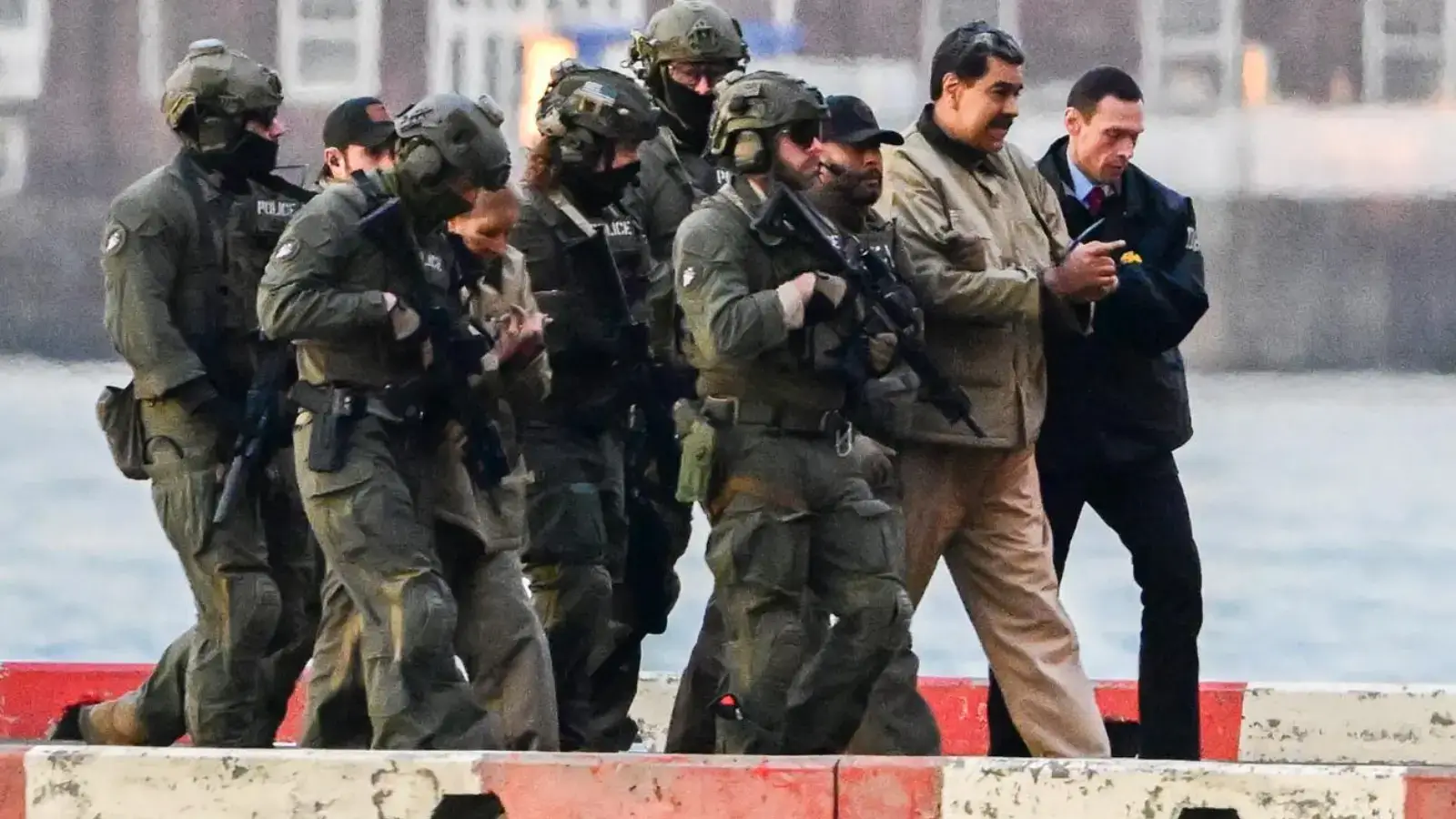
Reports about an operation by US special forces aimed at kidnapping Venezuelan President Nicolas Maduro have sparked various debates and speculations. This was reported by Zamin.uz.
In particular, there was much discussion about claims that some secret “super weapon” was used by the US. Military expert and former US Army officer Stanislav Krapivnik shared several opinions on this matter.
He mentioned that witnesses described symptoms resembling the effects of an “unknown device.” These symptoms included headaches, nausea, loss of balance, dizziness, faintness, vertigo, and short-term loss of consciousness.
According to the expert, such effects could be related to a long-range acoustic device (LRAD). Although these devices were initially developed for communication between ships, it has been found that high-powered sound waves can have a strong impact on the human body.
Krapivnik emphasized that such technologies are no longer secret. Various countries, including the Russian Navy, have used similar devices.
After these devices proved effective against pirates, they began to be used by police to disperse protests. For example, after their use in New York, serious health problems were observed among protesters, leading to court cases.
Another point made by the expert is that these devices are not small handheld tools; they are large and require significant energy. Typically, such devices are mounted on tactical vehicles.
Additionally, during the operation, a CH-47 Chinook helicopter was reportedly seen in the Caracas sky and might have been used. Reports about the temporary “shutdown” of Venezuela’s air defense system are also noteworthy.
According to Krapivnik, a simpler method, namely bribery, might have been used here. He suggested that one of the Venezuelan generals took a bribe, turned off the air defense, and then left the country.
The expert also noted that there are more Cubans among Maduro’s guards. This situation might indicate that the president does not fully trust his own armed forces.
In conclusion, Krapivnik stressed that the “most dangerous weapon” is not exotic technologies but economic tools, particularly the dollar, noting that sometimes the strongest impact is not through sound but through calculations.