Nuclear treaty ends: the world is at risk
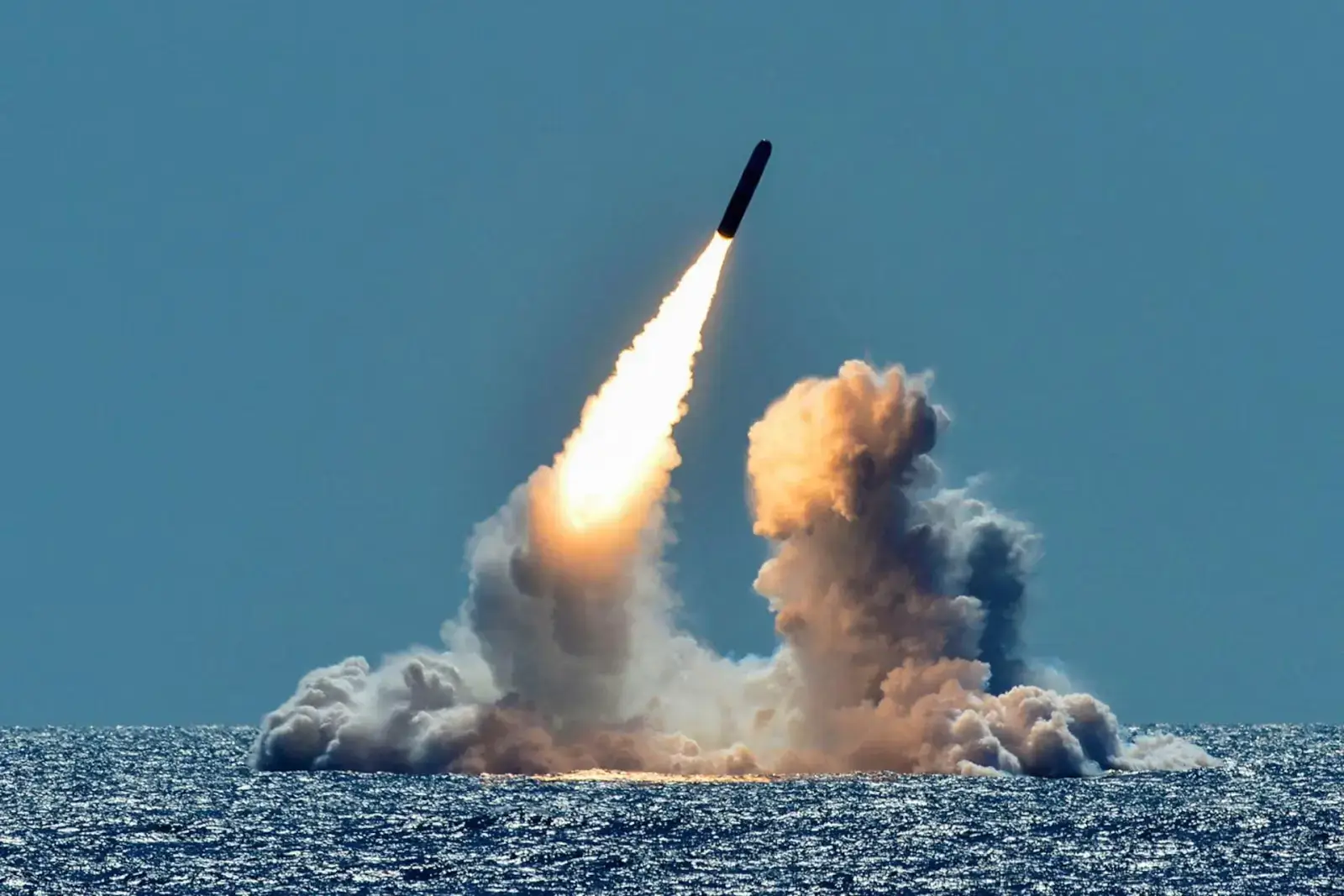
After the end of the "Cold War" on Earth, the most intense period of nuclear confrontation is beginning. This was reported by Zamin.uz.
On February 5, 2026, the Strategic Arms Reduction Treaty (START-3) between the USA and Russia will expire. This document was the last legal instrument keeping the nuclear arsenals of the two major powers under control.
According to this treaty, both parties committed to not exceeding 1,500 nuclear warheads, and to reducing ballistic missiles and submarine fleets. Most importantly, within the framework of this agreement, regular inspections and information exchanges were conducted to help prevent nuclear conflicts.
However, today neither Washington nor Moscow is in a hurry to continue the treaty under the previous conditions. The USA demands that China also be involved in the new agreement, as Beijing is rapidly increasing its nuclear capabilities.
Russia, on the other hand, wants the new terms to cover not only the USA but also the United Kingdom and France, which are members of NATO. Experts warn that if a new agreement is not signed, the world may face an unrestricted nuclear arms race and an increased risk of atomic war.
According to a report by the SIPRI institute, 90 percent of the world's nuclear stockpile is held by Russia and the USA. China is striving to catch up with 600 nuclear warheads.
According to the ICAN organization, world countries spend nearly 2,900 dollars every second on weapons of mass destruction. Currently, 9 countries possess nuclear capabilities.
In the context of the war in Ukraine, the possibility of using tactical nuclear weapons and NATO's readiness of its arsenal in response complicate the situation further. Will the great powers be able to ease this tension, or will the arms race become an unstoppable process?
This question remains open.