


In Munich, European security and the fate of Ukraine were discussed
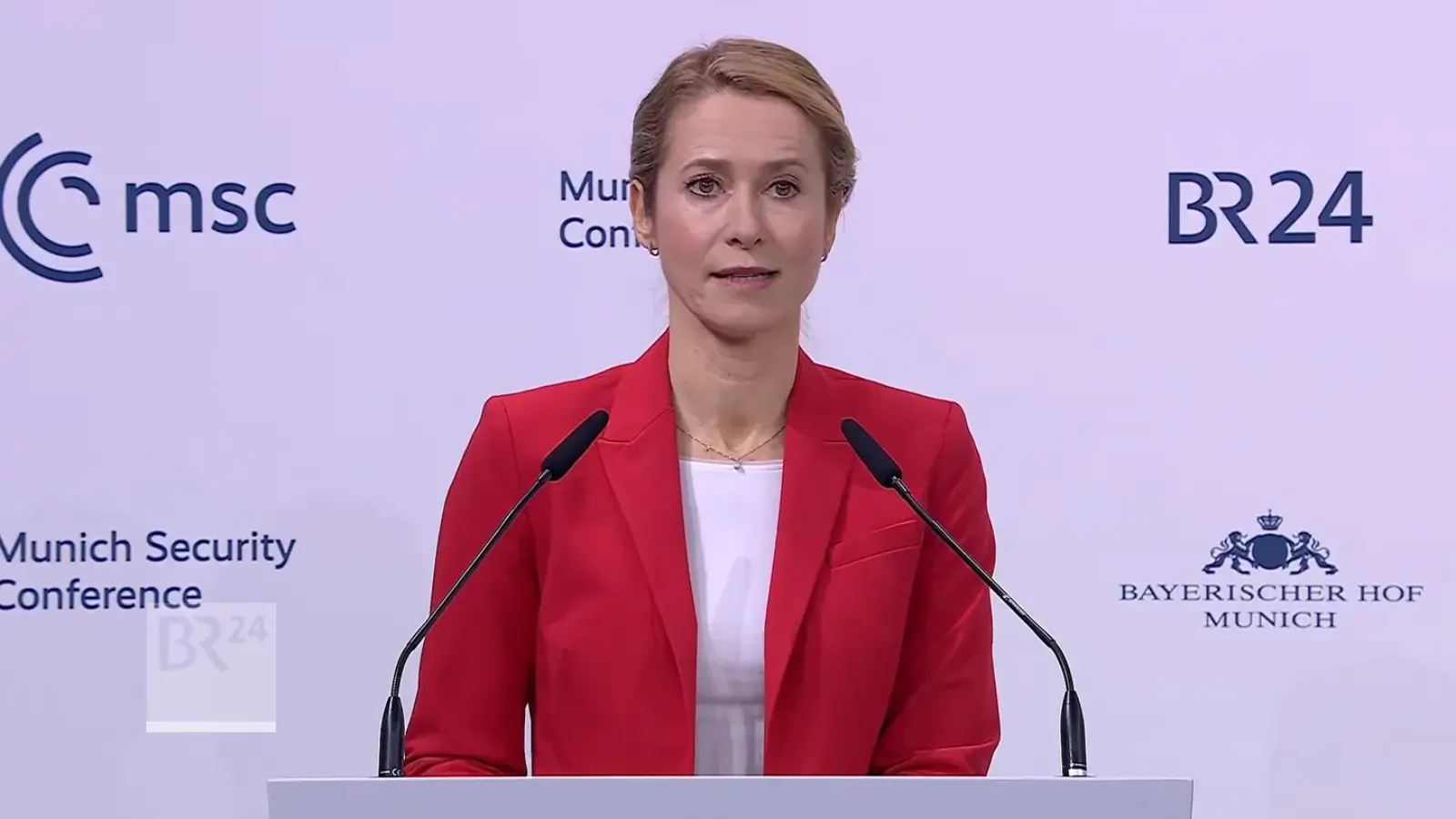
One of the most discussed issues at the Munich Security Conference was the Russia-Ukraine war. This was reported by Zamin.uz.
Kaja Kallas, the European Union's High Representative for Foreign Affairs, paid special attention to this topic, emphasizing that European security is closely linked to Ukraine's fate. According to her, it is unacceptable to allow Russia to achieve its goals on the battlefield through diplomatic negotiations.
Such concessions could pose serious risks for Europe in the future. Kallas stressed that granting excessive privileges to Russia is dangerous and put forward several principled demands.
These demands include limiting Russia's armed forces, compensating for the economic and military damages inflicted on Ukraine, and ensuring accountability for war crimes. She also stated that there is no need to rush to portray Russia as a strong state.
Another important point raised at the conference was that Europe must independently strengthen its defense system. Benjamin Haddad, France's Minister for European Affairs, also emphasized the necessity of enhancing Europe's military capabilities, rearmament, and supporting Ukraine.
This approach indicates a new phase in Europe–US relations. While cooperation continues, Europe is striving to strengthen its strategic independence.
Kallas responded to criticisms coming from the US by reminding that Europe holds a strong position on press freedom and values, emphasizing that the European Union remains an attractive integration project for many countries.
The desire of Ukraine and Western Balkan countries to join the European Union was cited as a clear example of this. In conclusion, the discussions in Munich showed that relations between Europe and the US remain intact, but differences in their approaches are increasing.
The Ukraine war and the Russia factor continue to be decisive issues in European security policy. This topic will undoubtedly remain relevant in the near future.