


Middle East Tensions Are Driving Up Global Gas Prices
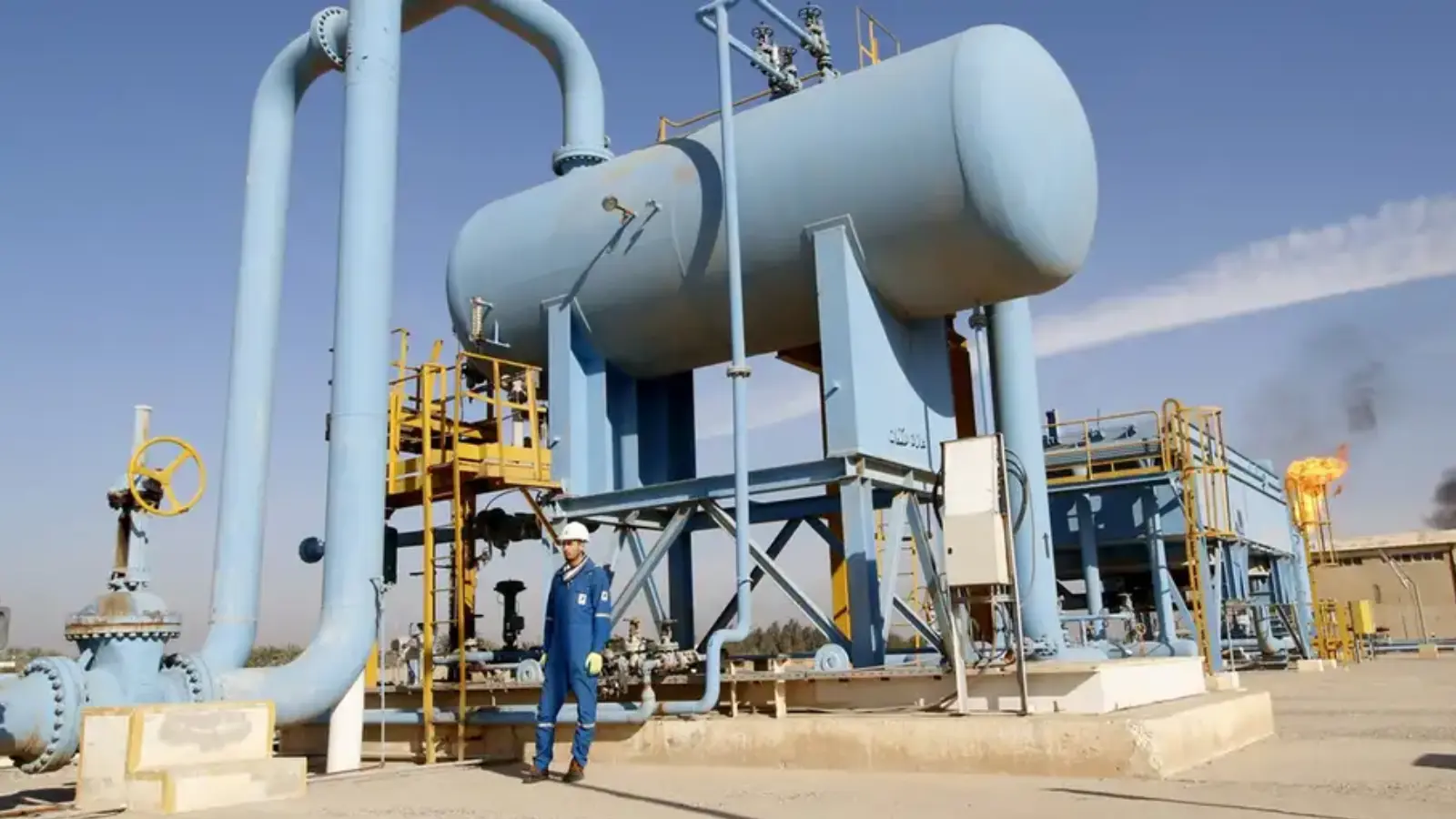
Photo: Haidar El Asadi/AA/picture alliance Political and military tensions in the Middle East are causing serious changes not only in the regional map but also in the energy sector, which is the foundation of the global economy. This was reported by Zamin.uz.
Oil and gas prices in world markets are updating the highest levels seen in recent years. Relying on international news agencies, Zamin.uz is providing a detailed analysis of the latest situation in the energy market.
On Monday, March 9, Reuters agency announced that the price of future contracts for gas supply in Europe reached the highest level in the last three years. The price of the blue fuel suddenly rose by nineteen percent, reaching thirty euros per megawatt-hour.
This figure is significantly higher than the numbers from just a week ago, surprising economists. The main reason for such a price increase is concerns that military actions by the US and Israel against Iran will not stop soon.
Liquefied gas tankers coming from Qatar and the United Arab Emirates are facing difficulties reaching Europe due to the uncertain situation in the Strait of Hormuz. At the same time, due to restrictions on pipelines, Egypt and Jordan have also become active buyers in the liquefied gas market.
This is intensifying competition that further drives up prices. Bloomberg experts recommend assessing the current situation calmly.
Although the figures look alarming, current prices are still well below the peak of three hundred euros during previous energy crises. Even the figures from early 2022 were higher than now.
According to the European Union Commission, fuel reserves in member states are sufficiently filled. The official statement says that the main concern today is not the lack of supply but the excessively high energy prices.
According to Financial Times, leaders of seven major industrial countries are discussing releasing strategic reserves held by the International Energy Agency if a state of emergency is declared. The agency's members have a total of one billion two hundred million barrels of oil reserves.
US officials propose releasing a quarter of these reserves to curb prices. There is also tension in the oil market.
On March 9, Brent crude oil prices unexpectedly jumped sixteen percent on the London exchange, reaching one hundred seventeen dollars per barrel. In New York, WTI crude oil reached the mark of one hundred fifteen dollars.
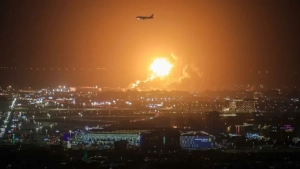
The escalation was caused by Israel's strike on Iranian energy facilities and Tehran's threat to attack oil infrastructure in the Persian Gulf in response. Iran warned that if oil prices exceed one hundred fifty dollars, continue the war.
Such tension in the global energy market will directly affect fuel prices in the coming days and may make life harder for the population.