


A unique ship from the 18th century was found in Norwegian waters
Archaeologists near Norway's fjords have discovered the remains of a rare trading vessel dating back to the 18th century, according to Zamin.uz.
Experts consider this find one of the best-preserved ships ever encountered in Northern Europe. Particularly noteworthy is that the cargo inside the ship has remained largely unchanged over time, sparking significant interest in the scientific community.
As emphasized by Hanna Geiran, head of Norway's Cultural Heritage Administration, the animal bones found aboard the vessel are preserved in an unprecedented condition for the region. She noted that this discovery opens a new chapter in the study of 18th-century maritime trade and international economic relations.
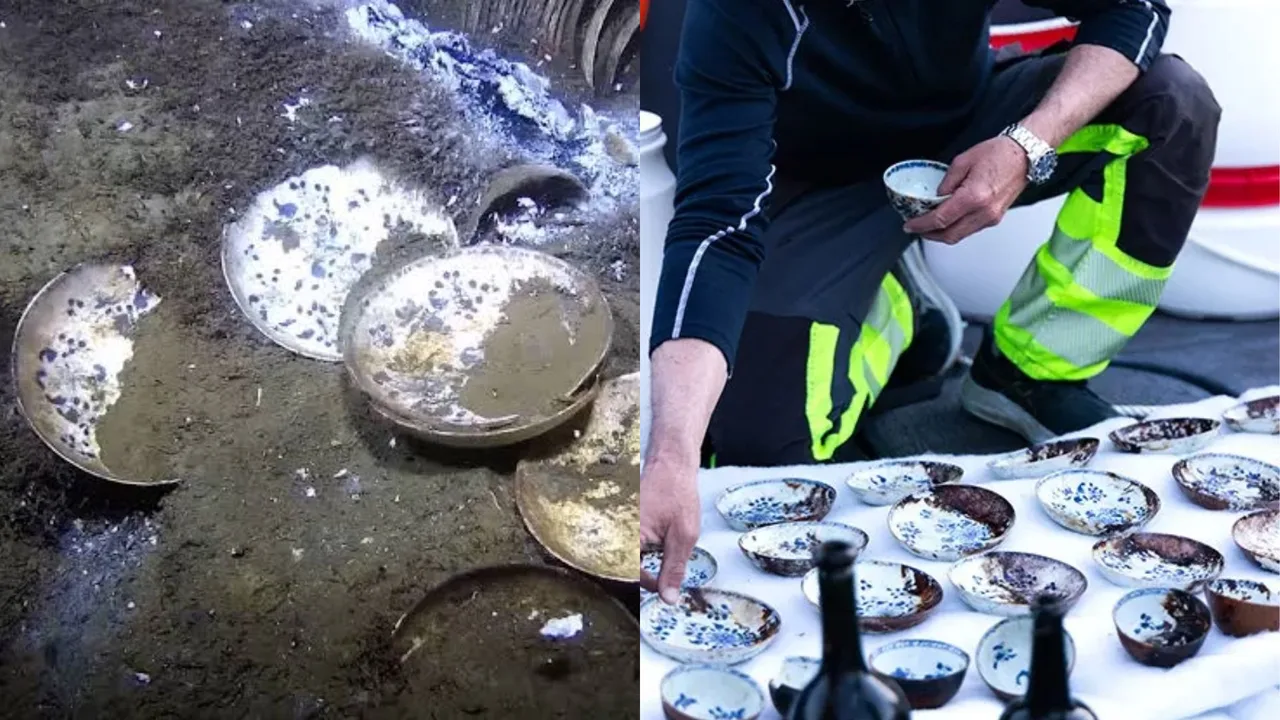
The ship's remains were located using specialized underwater equipment in the Skagerrak Strait at an estimated depth of six hundred meters. Underwater images show porcelain dishes and other items still in their original positions inside the vessel.
So far, investigations have recovered numerous intact Chinese porcelain items, lamp fragments, delicate glass goblets, and barrels filled with grain from the wreck. Additionally, several sealed chests aboard the ship remain unopened.
Specialists speculate that these chests may contain valuable goods such as spices, tea, medicinal plants, or other commodities highly prized during that era. The preservation of cargo in such condition over three centuries is a rare occurrence.
As of now, it is unknown which country the ship belonged to or in which direction it was sailing. However, researchers hope that the discovered artifacts will help answer these questions.
For example, a brick found in the ship's galley bore the stamp of a workshop from Lübeck, Germany. During that period, Chinese porcelain was considered one of the most valuable and influential products in Europe.
This discovery holds significant importance not only for Norway but for maritime archaeology worldwide. Scientists continue to document the ship's remains and conduct further research to gain deeper insights.