



Euro NCAP implements safety systems in cars that adapt to the driver's condition
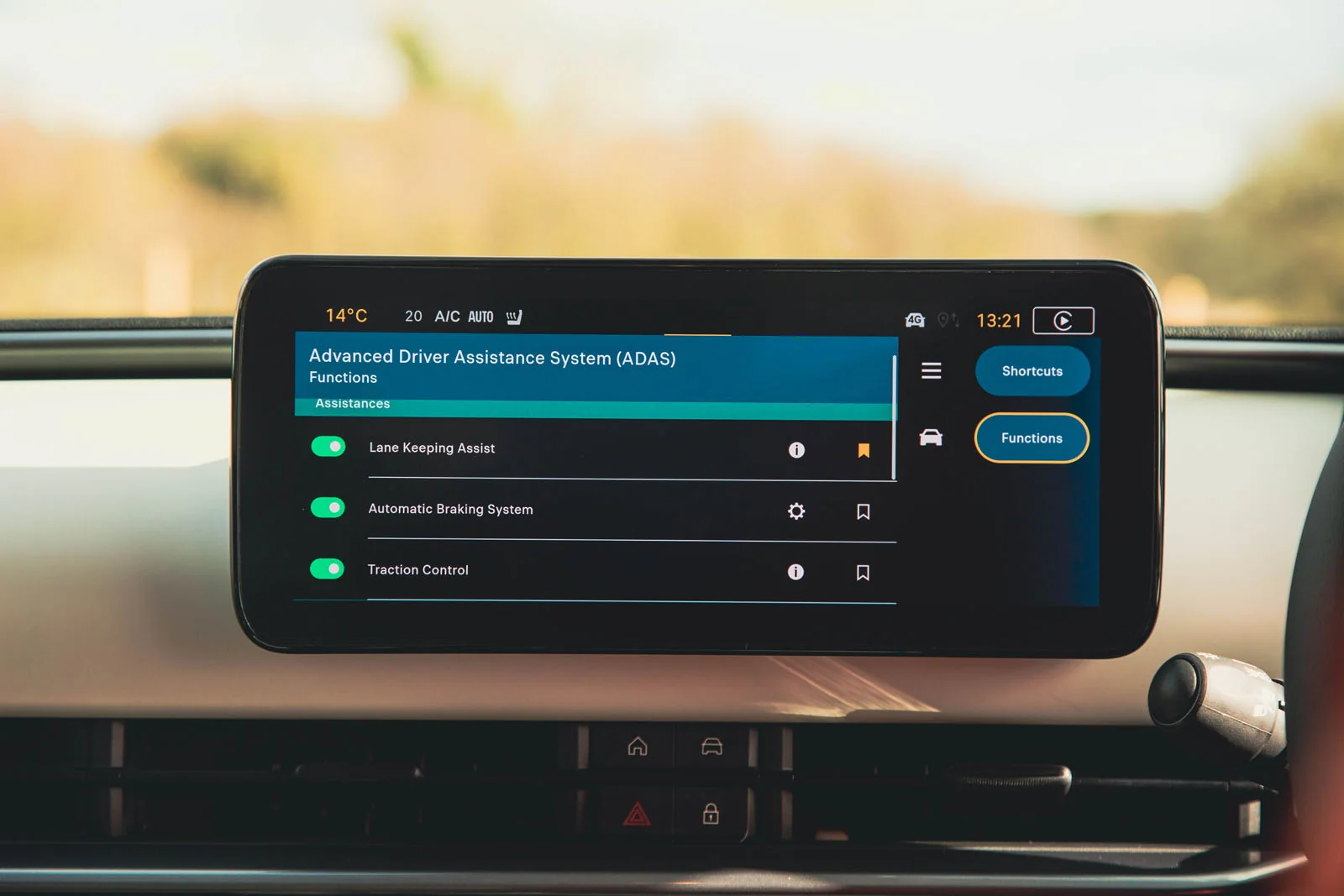
Euro NCAP, the leading organization in assessing vehicle safety, plans to introduce a completely new safety system by the end of its ten-year cycle that adapts to the driver’s condition. This was reported by Zamin.uz.
The initiative aims to eliminate growing distrust among drivers toward modern assistance systems and improve their effectiveness. According to international regulations adopted five years ago, all new vehicles must be equipped with features such as speed limiters and emergency braking.
However, in practice, many drivers perceive these systems as overly intrusive and distracting. Survey results show that while the majority of drivers feel safer with modern safety technologies, one in four complains that these systems irritate their nerves.
Experts emphasize that future intelligent systems must accurately understand the driver’s state. For example, if a driver is attentively observing the road and fully in control of the situation, functions like lane-keeping assist should not interfere unnecessarily.
This approach preserves driver freedom while offering help only when truly needed. It also involves clearly distinguishing the driver’s level of engagement.
For natural actions such as lowering the radio volume or adjusting cabin temperature, the system should avoid issuing unnecessary warnings. This ensures that artificial intelligence does not make drivers feel constantly "nagged."
Current systems often fail to accurately differentiate between a distracted driver and one simply adjusting to ambient conditions, which erodes trust in the technology.
Additionally, Euro NCAP is working to make airbags and seatbelts smarter.
Special sensors installed in the vehicle cabin will automatically detect the passenger’s height and weight. Based on this data, the airbag deployment force and seatbelt tension will be precisely adjusted to match the individual’s physique.
Such technology helps significantly reduce the risk of additional injuries caused by the safety systems themselves during an accident.