



"Land Rover" vehicles have taken control of the Darién Gap
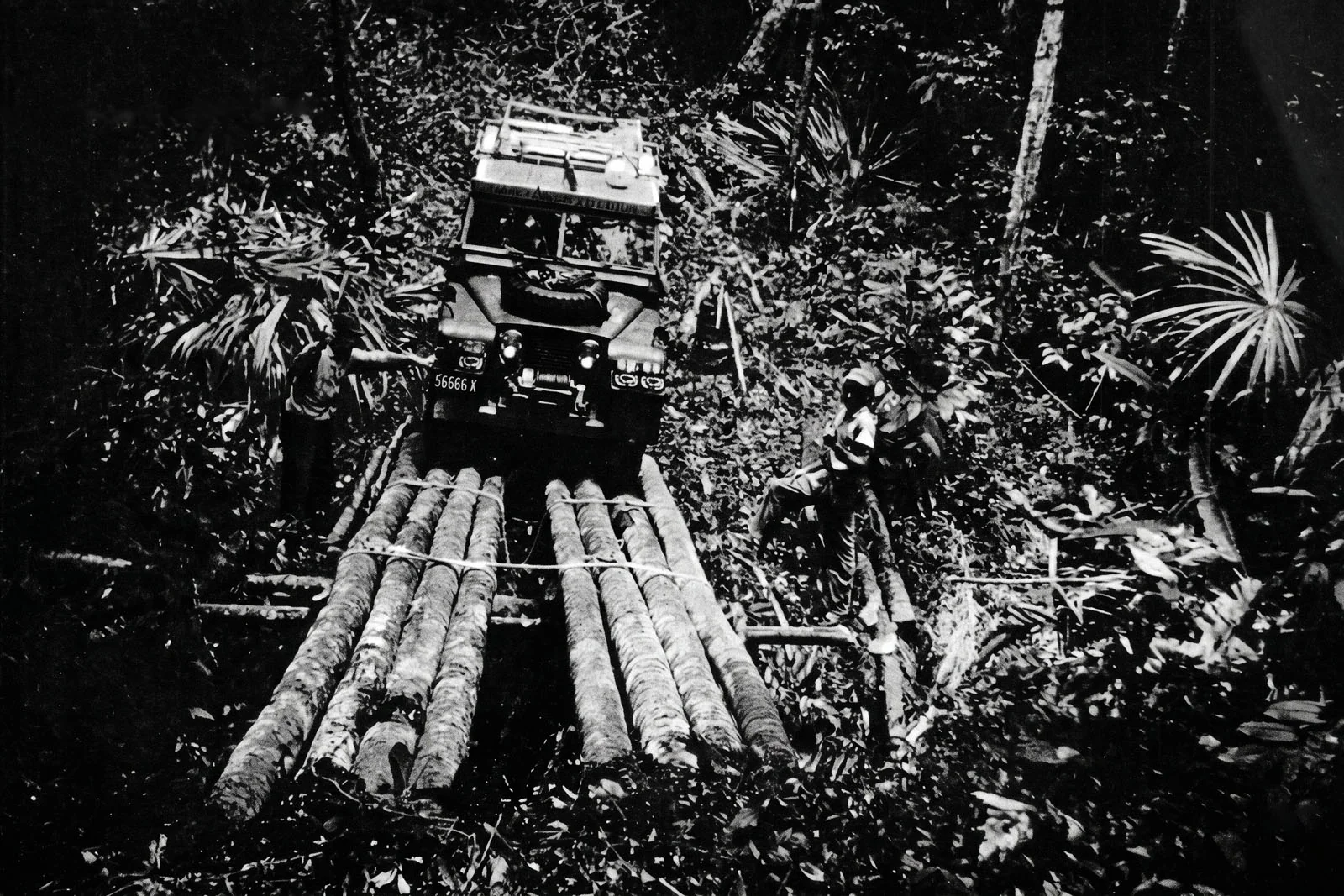
There are events in automotive history that not only demonstrate the power of technology, but also prove how high human will can be. This was reported by Zamin.uz.
In the early 1960s, Land Rover vehicles successfully crossed the Darién Gap—a stretch of wild, roadless terrain separating North and South America considered one of the most impassable and dangerous regions on Earth. This challenging expedition was part of a project to build the Pan-American Highway, and influential publications reported on it in detail.
Journalists of that era wrote about this journey, hoping that in the future, travel through these areas by regular roads would become possible. According to estimates, a few years later, drivers would speed through these dense forests with their loved ones, enjoying the beauty of nature.
Yet, even ten years later, the Darién Gap remained one of the wildest and most dangerous places on the planet. The struggles in the dense jungles and mechanical trials showed just how difficult the obstacles faced by the Land Rover team truly were.
Thick undergrowth, endless swamps, and rivers demanded hours of effort to cover every meter of distance. Expedition members were often forced to clear paths by hand, cut down trees, and pull vehicles stuck in mud through sheer physical labor.
This process tested not only the drivers’ physical endurance, but also the ability of automobile engines and suspensions to withstand extreme conditions. The engineering achievements of that time became a solid foundation for modern off-road vehicles.
Land Rover models succeeded in this journey thanks to their simplicity and ease of repair. In an era when electronics were nearly absent, raw mechanical power and towing strength were what allowed one to conquer natural obstacles—true courage in its purest form.
Such historical events strengthen the reputation of automotive brands and increase confidence in their technical capabilities. The dreams tied to the Pan-American Highway project were never fully realized due to natural and political obstacles.
Even today, this region remains a break in the automotive road network—only specially prepared vehicles can operate there. For Uzbek car enthusiasts, this historical event holds special significance.
Although prestigious Land Rover models are now commonly seen on city roads in our country, their true roots lie precisely in such harsh and relentless expeditions.