


Instability in the Middle East is affecting Uzbekistan's economy
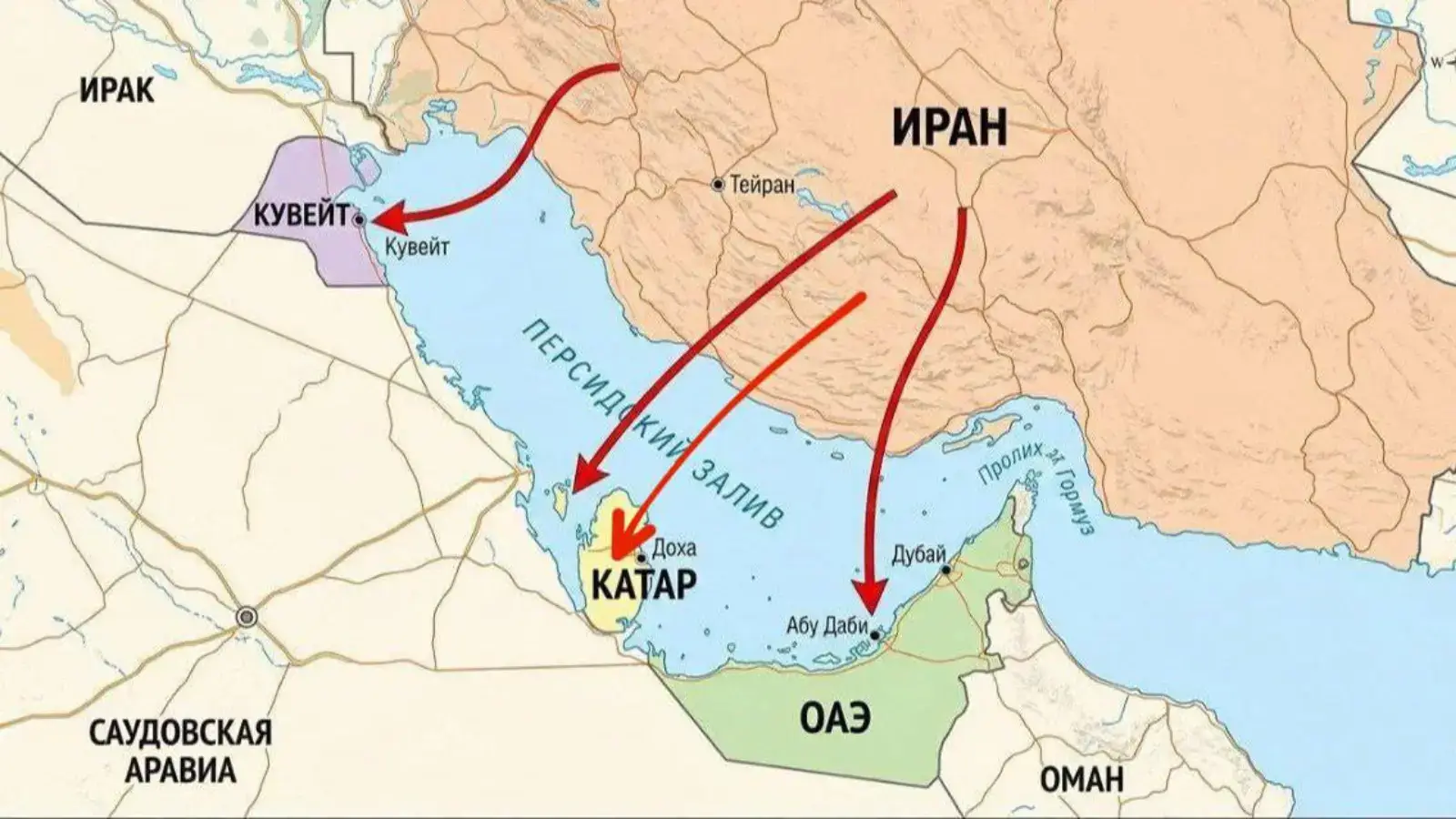
Geopolitical conflicts in the Middle East can disrupt not only regional borders but also the delicate structures of the global economy. This was reported by Zamin.uz.
Every missile strike across the ocean and in the Persian Gulf is certain to impact the markets of Central Asia, particularly Uzbekistan. Experts at Zamin.uz analyzed how this situation affects our economy.
The world economy is interconnected. The Middle East is one of the main energy sources globally.
Instability there affects Uzbekistan's economy through three main channels: 1. Oil prices and import inflation: Attacks on oil facilities in Iran and Saudi Arabia are expected to raise oil prices on the world market.
Uzbekistan imports part of its fuel products, so the prices of gasoline and diesel will increase. This will lead to higher prices for food and other goods, resulting in inflation.
2. Gold – Uzbekistan's safety belt: During times of war and instability, investors tend to buy gold, causing its price to rise.
As one of the major gold exporters, Uzbekistan will gain additional income, which helps prevent the depreciation of our national currency – the som. 3.
Dollar exchange rate and currency market: In times of international uncertainty, the US dollar strengthens. Demand for dollars in Uzbekistan may increase, but considering the Central Bank's sufficient gold and foreign currency reserves, significant fluctuations are not expected.
If the conflict lasts long, the dollar's exchange rate against the som may gradually rise, but this process will be controlled. Logistics and foreign trade: Uzbekistan's plans for cargo transportation via southern routes may be temporarily halted.
This will force entrepreneurs to choose alternative but more expensive routes. In your opinion, in the current situation, which form of savings is preferable: gold, foreign currency, or real estate?
Stay tuned to Zamin.uz to stay informed about economic changes.