Xreal Introduces New Project in Smart Glasses Arena
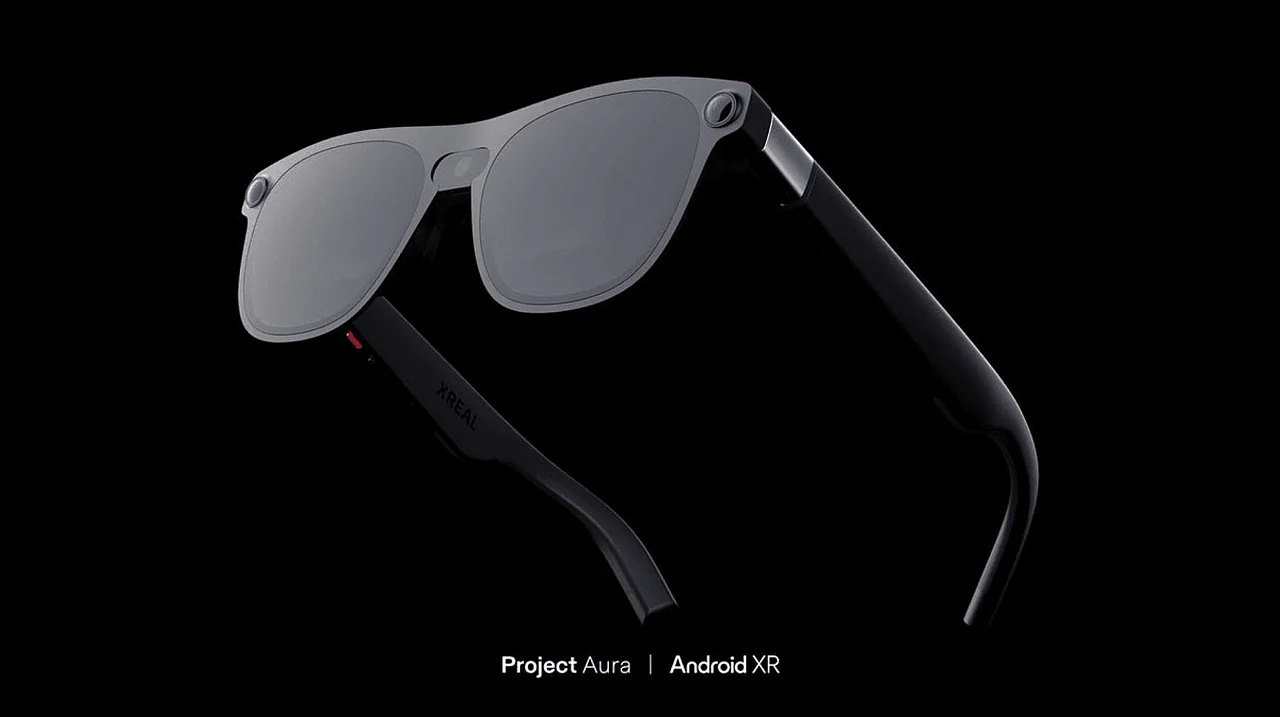
Smart glasses manufacturing has long been one of the biggest and most persistent dreams of the tech world. This was reported by Zamin.uz.
The essence of this idea is simple: instead of staring at smartphone screens all day, people can simply wear lightweight, convenient computing devices on their faces. However, over a decade of experience has shown that this field has become a financial black hole—vast sums have been invested, but expected returns have not materialized.
According to industry-leading publications, many major projects still haven’t found their footing. Chi Xu, founder and CEO of Xreal—a long-time partner of Google—recently unveiled his new project to a broad audience at an influential summit.
As he emphasized, nearly all companies operating in this space are currently losing money. The main reason is that creating a device that is both technically flawless and socially acceptable enough for people to wear comfortably is an extremely complex challenge.
Despite this, industry experts express confidence that a new era of development has begun in the sector. This positive shift has been driven by successful models recently introduced to the market.
The new generation of devices is equipped with modern displays capable of transmitting high-resolution images, allowing users to watch videos directly within the glasses’ lenses. To reduce weight and improve wearability, the core processing unit has been separated into a distinct block connected to the glasses via a cable.
This solution significantly reduces the load on the user’s head. With this technology, users can interact with augmented reality maps, watch videos in virtual format, and create various holograms using gesture-tracking systems.
Manufacturers promise that these devices will become indispensable in daily life. For example, while cooking in the kitchen, users can view necessary instructions floating in the air; in shared spaces, they can define personal work zones; and at home, they can enjoy films as if in a full-scale cinema.
Such applications are expected to eventually allow smart glasses to fully replace personal computers and smartphones.