

Meta company produces its next-generation artificial intelligence chips
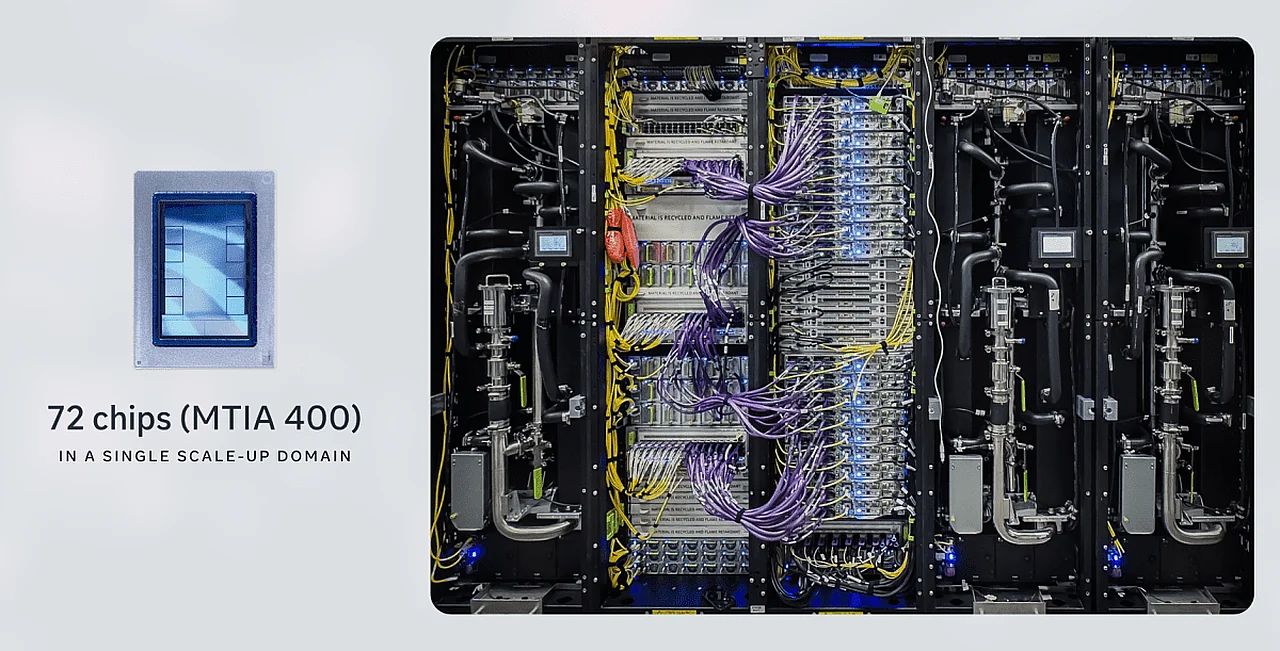 Meta, under the leadership of Mark Zuckerberg, is preparing to launch its new generation of artificial intelligence processors to reduce reliance on Nvidia's technology and streamline overall costs, Zamin.uz reported.
 According to internal company documents cited by the influential Reuters agency, the new chips are expected to enter production starting in September of this year. This strategic move is significant as it aims to give Meta a competitive advantage amid a global shortage of graphics processors.
According to the information provided, at least one of the new chips has successfully passed a six-week testing phase. Meta is developing this project in close collaboration with Broadcom Corporation on the design front.
However, the actual manufacturing process has been entrusted to Taiwan's TSMC, the world's largest semiconductor foundry. Additionally, major technology giants such as Samsung, Sandisk, and Sumitomo Electric are involved in supplying components.
The new chips were developed specifically for Meta's internal use and are primarily intended to train artificial intelligence models and improve algorithm efficiency. Meta's engineers, having undergone intense changes in the field, have designed the chips based on a modular architecture.
This approach allows the company to quickly adapt to new types of tasks without letting the technology become obsolete. Meta plans to use these chips to enhance recommendation systems on Facebook and Instagram, as well as to make advertising algorithms smarter.
Although the company will continue to purchase products from Nvidia and AMD, having its own processors will help reduce multi-billion-dollar expenses. For reference, Meta has planned to spend between $125 billion and $145 billion on artificial intelligence infrastructure this year.
Creating proprietary chips in the AI race is not limited to Meta alone. Today, many major technology corporations are seeking to break free from Nvidia's dominance.
For example, OpenAI is working on developing its own processor in collaboration with Broadcom, while Google and Amazon have already been using their custom chips for some time. The Anthropic startup is also in negotiations with Samsung regarding chip production.
Meta is scaling up its computational power to train its new initiatives. Such extensive efforts indicate that achieving independence is crucial not only in software but also in hardware.