


U.S. immigrants are creating a new source of power that will last for a decade or more.
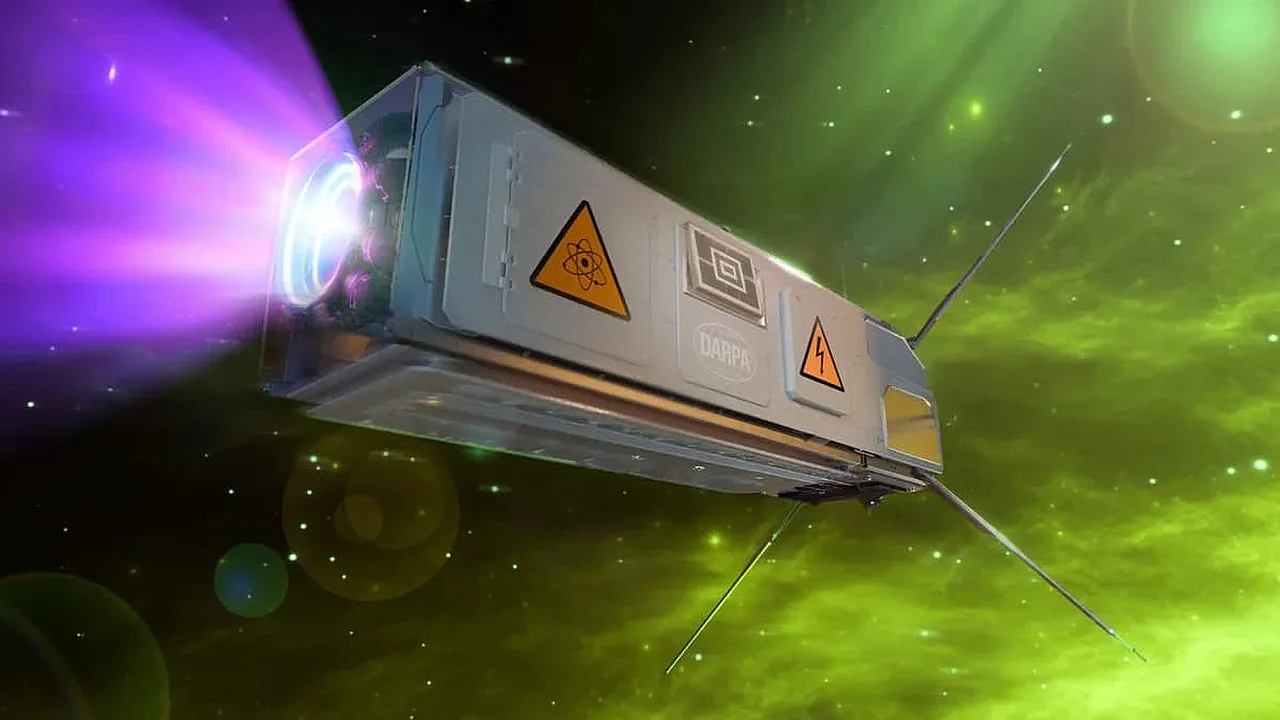
Scientists at Morgan State University in the United States have begun developing a new generation of radioisotope power sources that do not require maintenance or additional reinforcement for several decades. This was reported by Zamin.uz.
The project, funded by the DARPA agency, is expected to bring a breakthrough in the energy sector. The research is being carried out under a special program and involves influential scientific laboratories as well as major technology companies.
More than three million dollars in grants have been allocated for the successful implementation of the project. The unique aspect of the new technology is that it is based on strontium radioisotope.
The possibility of extracting this element from nuclear waste increases the significance of the project. This method allows for both the neutralization of radioactive waste and the efficient extraction of energy from it for useful purposes.
Unlike conventional batteries, these systems do not simply store energy. Instead, special converters transform the energy generated by radioactive decay directly into electrical energy.
This approach ensures uninterrupted and stable operation of power sources for up to thirty years. According to the project authors, batteries of this new type will primarily be used in harsh or inaccessible environments where traditional power sources are either impossible to install or prohibitively expensive.
In particular, they are ideal for communication devices, artificial satellites, autonomous underwater equipment, and various sensors located in polar regions. Currently, projects for sea drones capable of operating independently for ten years are also under consideration.
The new architecture is expected to provide significantly higher power efficiency compared to existing similar devices. At present, the development is in the research and testing phase, and some time will be required before it can be mass-produced.
Nevertheless, this direction is already recognized as one of the most promising areas in the future of autonomous energy systems. For countries like Uzbekistan, which are striving for technological development, such long-term energy sources could become important in the future for advancing communication and monitoring systems.
Such technologies will not only improve economic efficiency but also offer new solutions in environmental protection.