Investigation may be cancelled for aircraft departing the US at high speed
The US Federal Aviation Administration has proposed new rules for supersonic flights over land, which could mark a turning point in the history of civil aviation. This was reported by Zamin.uz.
The proposed document revises restrictions that have been in place for over half a century, namely the ban on breaking the sound barrier over land. This step could pave the way for a new generation of aircraft and significantly reduce intercontinental travel times.
The current ban, introduced in the 1970s, was due to the powerful sonic booms produced by supersonic aircraft, which could cause damage and disturbance on the ground. Instead of outright banning supersonic flight, the new proposal focuses on limiting the perceived noise level on the ground to certain acceptable thresholds.
According to experts, if an aircraft produces only a mild pressure disturbance—below a certain threshold—it may be permitted to fly supersonically over national territory. For comparison, the famous Concorde, when flying at supersonic speed, generated a ground-level boom nearly eighteen times louder than the proposed limit.
This is precisely why the Concorde was restricted to oceanic routes, where its sonic boom would not affect populated areas. Even returning space vehicles produce much higher pressures, which underscores how relatively lenient and technologically advanced the new standards are.
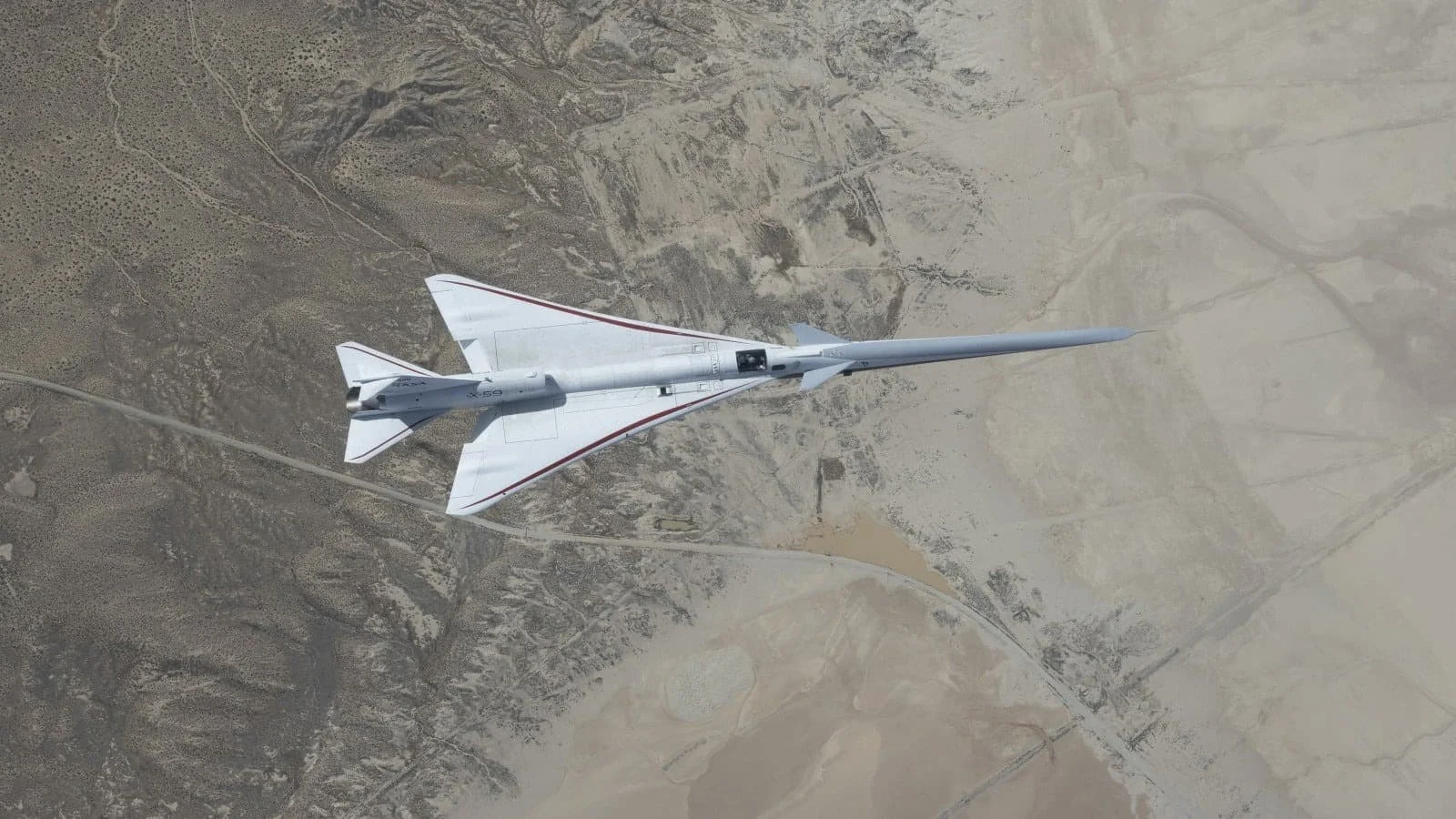
Under the proposed rules, aircraft manufacturers could pursue two main approaches. First, they could design aircraft that disperse the sonic boom before it reaches the ground, leveraging unique atmospheric properties. Second, they could adopt next-generation, low-boom aircraft based on quiet technology.
Such aircraft feature specially shaped aerodynamics to minimize the intensity of the sonic boom. Currently, several leading companies are actively conducting research in this area.
For example, test flights of experimental aircraft have shown that, despite flying at high speeds, no significant sonic booms were detected on the ground. Experts estimate that future passenger liners using quiet supersonic flight could cut long-haul flight times by at least half an hour.
Additionally, aircraft developed under special programs are designed to convert the traditional sharp sonic boom into a softer "thump," and these are scheduled for testing in various regions in the near future.