



Olympians mapped the network of giant burrows beneath the surface
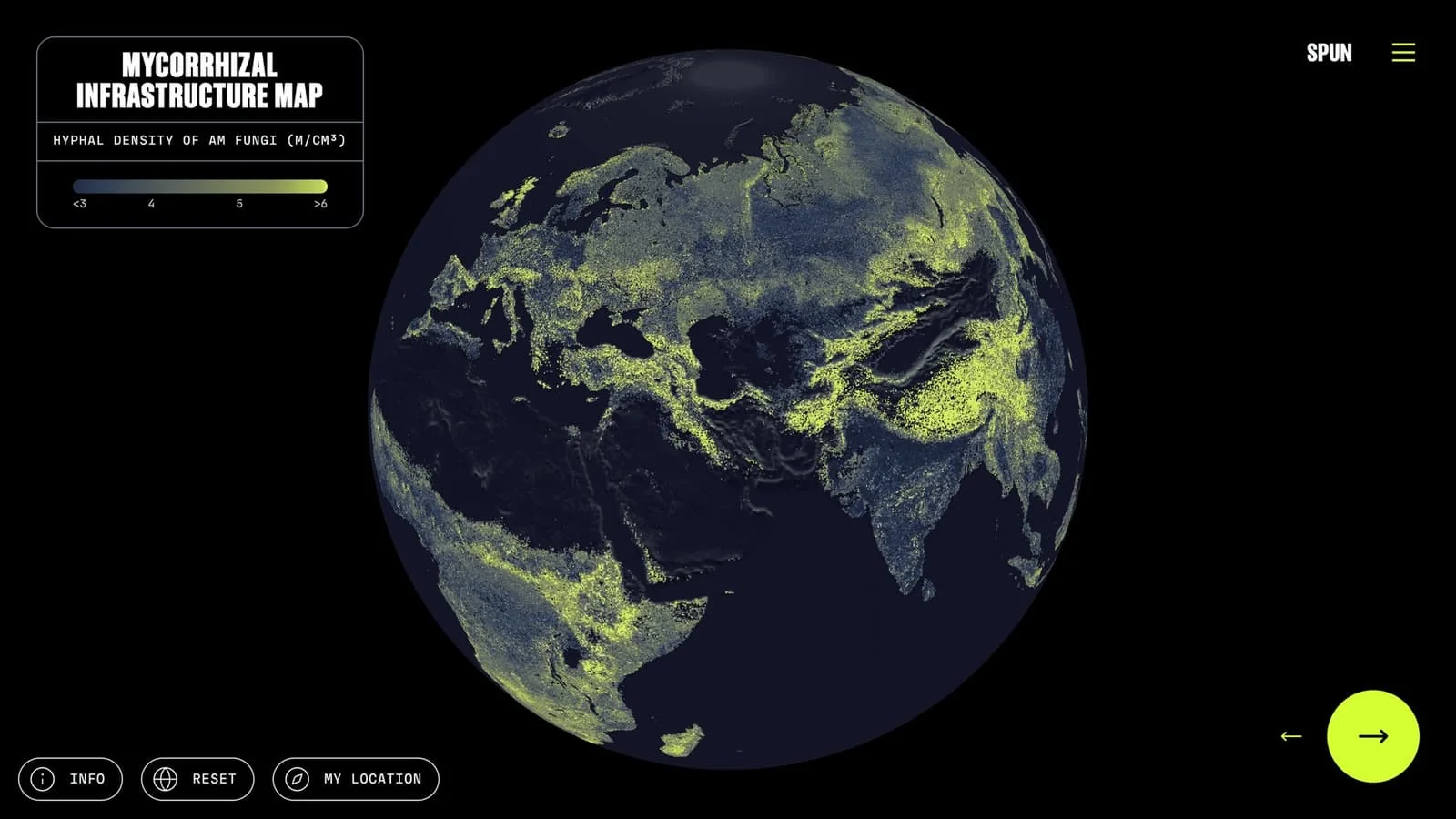
A group of international scientists has developed the first-ever global map of the vast underground fungal network in the history of planet Earth. Zamin.uz reported on this.
According to research results published in prestigious scientific journals, the total length of this hidden system is approximately one hundred and ten quadrillion kilometers. This discovery fundamentally changes perceptions of how our planet's ecological system works and demonstrates the immense scale of nature's own unique global network.
This refers to special fungi that establish mutually beneficial connections with plant roots. The extremely thin filaments of these organisms completely envelop the soil, delivering water and essential minerals to plants.
In exchange, plants share the carbon they produce using sunlight with the fungi. According to data, nearly seventy percent of plant species on Earth rely on this underground network for their survival.
To create this massive map, researchers combined data from hundreds of scientific papers and analyzed nearly sixteen thousand soil samples collected from various points around the world. Modern imaging methods and AI-based learning techniques were used during the process.
These technologies allowed for the clear visualization of microscopic structures that were previously undetectable to the human eye and ordinary instruments. According to calculations, the total weight of this fungal network contains three hundred megatons of carbon, which is several times more than the total weight of all humanity.
This underground network is of decisive importance in the global carbon cycle. Every year, a vast amount of carbon dioxide passes into the soil through these fungi.
This constitutes a significant portion of the total emissions released into the air as a result of human activity. In other words, these networks act as a natural cleaning system that curbs global warming.
However, scientists also identified a concerning situation. It was found that the density of the fungal network in lands used for agriculture is significantly lower than in natural areas.
In particular, the rapid conversion of grasslands is leading to the degradation of this hidden system. In conclusion, the decrease in underground fungal networks reduces the soil's ability to retain carbon.
This, in turn, could have a negative impact on global climate stability. This research is of immense importance not only from a biological perspective but also from the standpoint of ecological security.