




Singapore Olympics created remote-controlled robots from live cockroaches
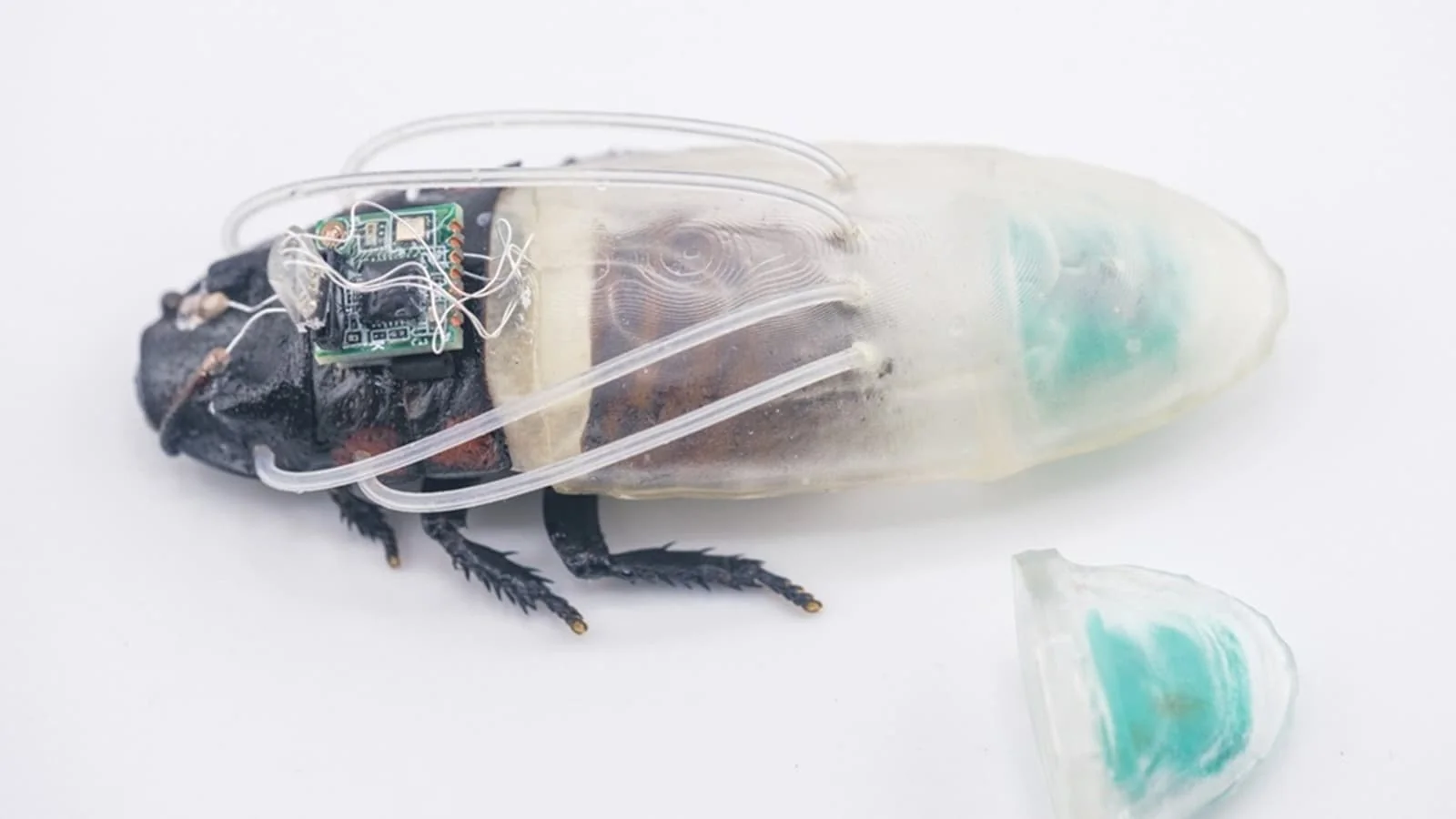
Singapore has made a major breakthrough in robotics by transforming live cockroaches into remotely controllable cyber-organisms, according to Zamin.uz.
According to a study published in Nature Communications, these bio-hybrid systems can now move not only on land but also underwater, thanks to specially developed coatings. The development is being hailed as a vivid example of modern technology harmonizing with nature.
A team led by Professor Hirotaka Sato from Nanyang Technological University selected Madagascar hissing cockroaches for the project due to their resilience, long lifespan, and high adaptability to harsh conditions.
The scientists’ main goal was to create a controllable platform capable of conducting search-and-rescue operations in environments inaccessible to conventional robots and hazardous to humans.
The biggest technical challenge was that cockroaches cannot survive underwater for extended periods.
To solve this, engineers developed small modules using 3D printing that seal the insects’ spiracles. Unlike simple oxygen tanks, this system relies on a special chemical reaction.
A mixture of hydrogen peroxide and manganese dioxide decomposes to deliver pure oxygen directly to the cockroach’s respiratory system.
Initially, researchers attempted to mount control devices on the insects’ backs in a backpack-like fashion.
However, this approach was found to slow down the cockroaches’ movement. As a result, all microcircuits and power sources were now mounted directly onto the body, tailored to its shape.
This allowed the cyber-organisms to move at high speed both on land and underwater. Experiments showed that the modified cockroaches could remain active underwater for up to three hours.
Importantly, no adverse changes in the insects’ overall condition were observed after the trials.

Similar news
iPhone 18 smartphone prices announced at Malika Market in Tashkent
As of October 8, 2026, prices for Apple’s latest iPhone 18 Pro and iPhone 18 Pro Max smartphones have been announced at the Malika Shopping Center in Tashkent. One.uz reports. These devices are
SpaceX brings Falcon Heavy rocket to the field for the MaxFiy mission
SpaceX company transported the Falcon Heavy rocket to the LC-39A launch pad at the Kennedy Space Center via transport. One.uz reports this. This operation is considered a critical stage in the

<|channel>.OpenAI GPT-6.1 Astra model cancels the comprehensive presentation
OpenAI planned to release the GPT-6.1 Astra model for public use. One.uz reports this. The model was announced as OpenAI's next-generation neural network, and its presentation was scheduled to take
Falcon Heavy rocketation announced with record frames
Unique footage of SpaceX's Falcon Heavy rocket has been released,uz. The materials show 27 Merlin engines installed on the rocket body, which consists of three combined Falcon 9
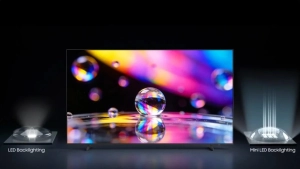
TCL Corporation Sues Samsung for False Advertising
Xitoyning yirik texnologik korporatsiyasi TCL AQSH federal sudiga Samsung Electronics America kompaniyasiga qarshi rasmiy daʼvo ariza kiritdi. Kaliforniya markaziy
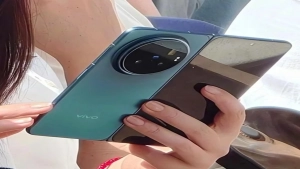
Vivo X Fold 6 will launch its global version on October 1
The Vivo company has officially announced the international launch date of its next-generation foldable smartphone — the Vivo X Fold 6. One.uz reports this. According to insider Abhishek Yadav, the