




Britain's electric vehicle industry faces new challenges amid growing concerns
The Society of Motor Manufacturers and Traders (SMMT) in the United Kingdom has issued an official warning that the country's electric vehicle industry is facing a serious threat. This was reported by Zamin.uz.
The situation is directly linked to the trade agreements adopted during Britain's exit from the European Union, commonly known as Brexit. Under the current agreement, starting January 1, 2027, requirements for locally sourced components will become significantly stricter.
If manufacturers fail to fully comply with these new rules, a 10% tariff will be imposed on each vehicle exported to European Union countries. This will reduce the competitiveness of British cars in foreign markets.
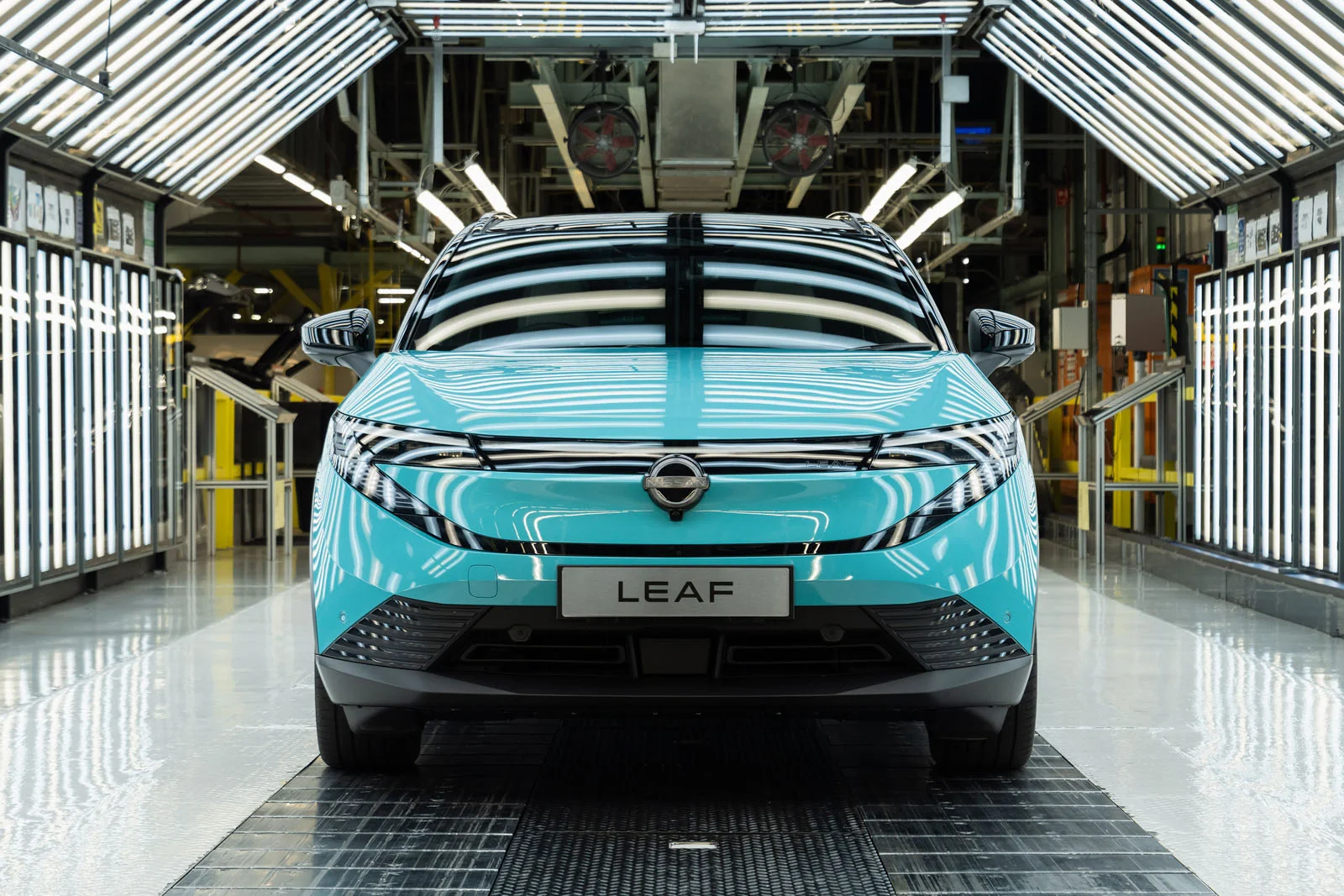
This issue has become one of the most pressing challenges for the UK automotive industry. At present, preparations are underway at domestic plants for the mass production of a new generation of electric vehicles, including models such as the Nissan Leaf, Range Rover Electric, and Bentley.
The new tariff rules could seriously undermine the international competitiveness of these promising models. The core problem is that, to qualify for exemption from customs duties, electric vehicles must have a majority of their components manufactured either in the United Kingdom or within the European Union.
Currently, batteries and other key technological components are primarily sourced from Asian countries. According to available data, if a domestic supply chain is not fully established by 2027, every electric vehicle produced in UK factories will become significantly more expensive in the European market.
This price increase could lead consumers to shift their preference to other manufacturers, particularly Chinese brands, or to vehicles produced directly in European Union factories. This scenario raises the risk of the UK losing a major export market, which would have serious consequences for its economy.
These developments also have indirect relevance to the Uzbek automotive market. In our country, demand and interest in British brands such as Land Rover, Jaguar, and Bentley remain very high.
If production costs rise and logistics chains become more complex, this will inevitably affect global pricing. As a result, the price of high-end electric vehicles delivered to the Central Asian market, including Uzbekistan, may also increase.
Experts believe that the UK government and automotive industry representatives must urgently launch large-scale battery production facilities. Only by leveraging domestic resources and increasing the level of localization can the British automotive industry avoid the burden of new tariffs.
This step is the only correct way for the country to maintain its leading position in the global electric vehicle race. Otherwise, British automobiles risk losing their standing in the international market.
