The US approves a project to beam solar power from space
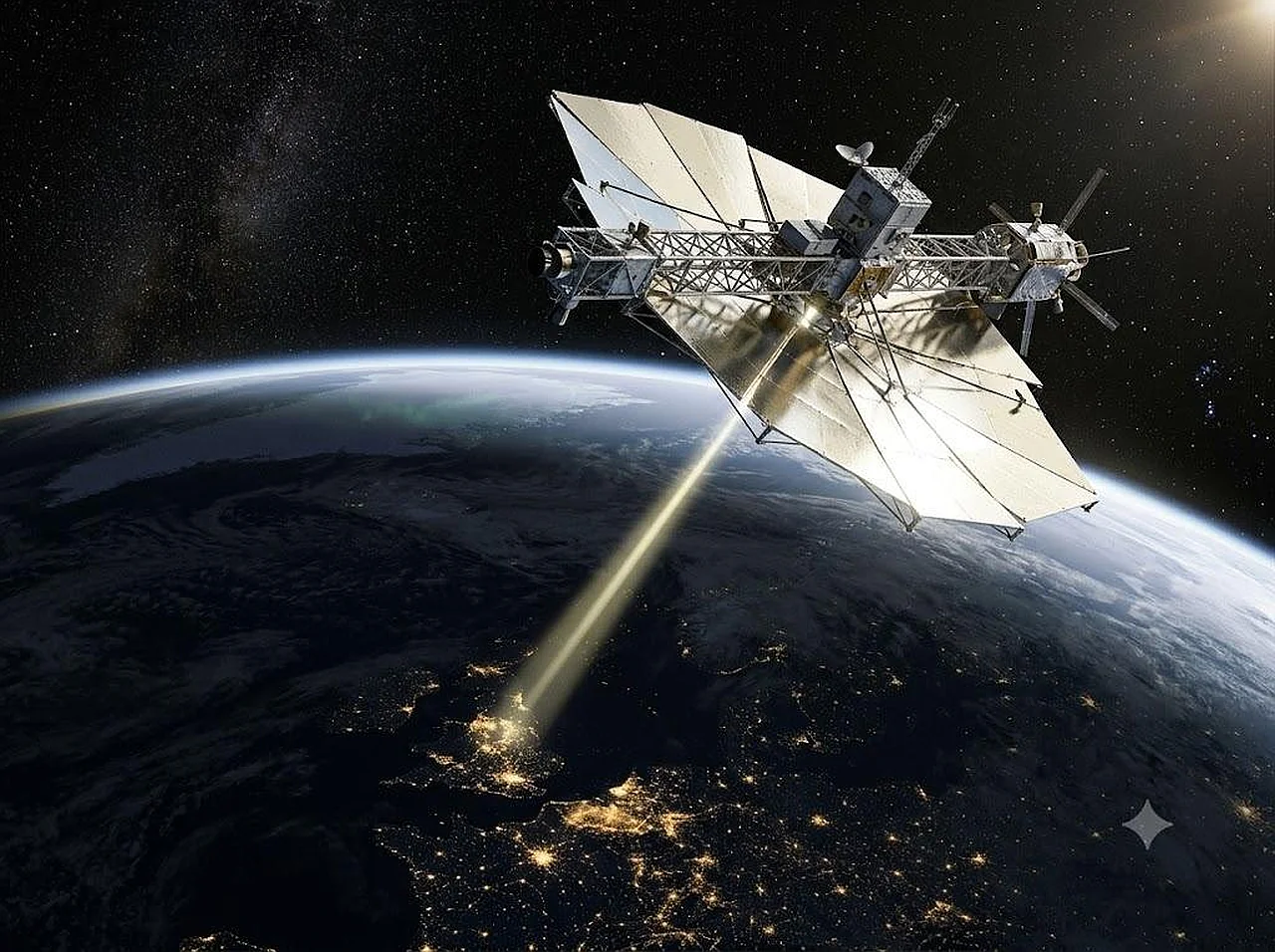
The United States Federal Communications Commission has approved a request from Reflect Orbital to launch a satellite equipped with reflective panels designed to direct sunlight toward specific areas on Earth. This was reported by Zamin.uz.
The device is intended to redirect sunlight to certain regions of the planet during nighttime hours. The decision was made despite strong objections from astronomical organizations and environmental groups.
Reflect Orbital plans to use a controllable mirror in orbit to create an illuminated zone on Earth's surface with an estimated diameter of about five kilometers. According to startup representatives, this technology could be useful for boosting solar power plant output at night and aiding rescue operations in areas affected by natural disasters.
The first demonstration satellite, named Earendil-1, is expected to be launched into orbit in the coming months. As part of the project, the company envisions creating a large-scale system in the future consisting of thousands of artificial moons.
It is precisely the scale of this system that has raised the primary concern within the scientific community. Before making its decision, the Federal Communications Commission reviewed over 1,500 public comments, the majority of which opposed the project.
Experts warn that artificial lighting could increase light pollution in the night sky and harm natural ecosystems. According to representatives of the American Astronomical Society, intense reflected light could temporarily blind pilots and drivers, and disrupt the observations of astronomers using telescopes.
Furthermore, this could pose a serious threat to the operation of professional observatories. However, the commission stated that these risks fall outside its jurisdiction, emphasizing that its role is limited to regulating the use of radio frequencies.
Analyses conducted by astronomers indicate that a constellation of fifty such mirrors could significantly increase the brightness of the night sky. As a result, even the darkest regions might end up resembling urban light zones.
This would pose a major obstacle to large international projects aimed at deep-space observation. Currently, massive telescopes are being built on Earth to enable the most detailed study of the cosmos.
Light scattered from artificial moons in the atmosphere could illuminate a far broader area than anticipated, undermining the precision of these scientific endeavors. Despite this, technology startups and government agencies continue to prioritize economic interests and publicity.