


5 trillion soums will be allocated for the development of livestock farming
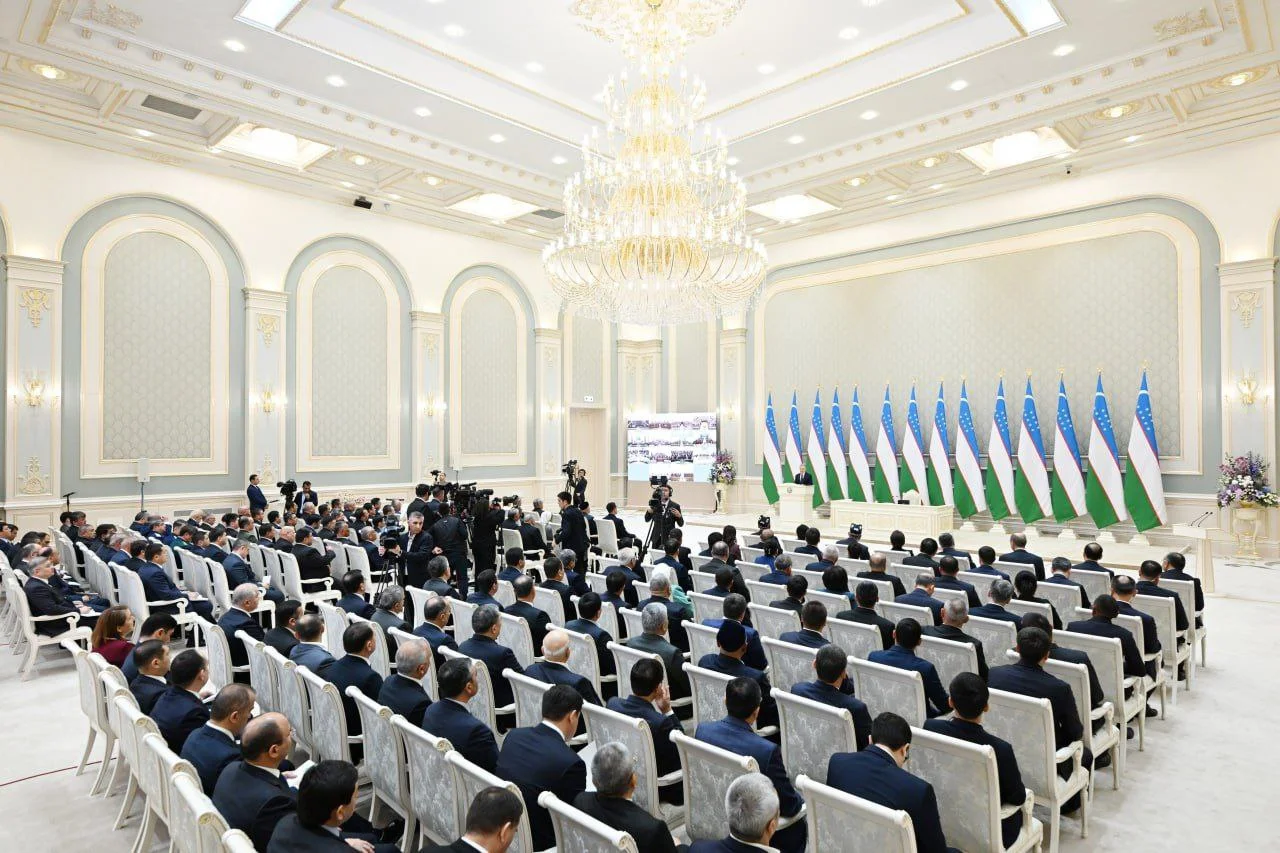
In the coming years, due to population growth and increased demand for food products, the agro-industrial sector has become a priority area of state policy. This was reported by Zamin.uz.
In this regard, next year it is planned to import 100,000 head of pedigree cattle and 200,000 head of sheep and goats into the country. These measures aim to improve livestock breeds, increase productivity, and meet domestic market needs.
New opportunities are being created for cotton and grain farmers. In particular, they can use part of their land – up to 20 sotik – to build light-structured livestock buildings.
This initiative is an important step to increase the income of farming households and diversify their activities. Additionally, the subsidy scheme for imported pedigree cattle and day-old chicks has been extended for another 5 years.
This is a significant relief for local farmers, helping to reduce their expenses. Large financial resources will be allocated next year to support the livestock sector.
Credit lines worth 157 million dollars will be opened with funds from the World Bank and IFAD. These credits will be provided for a term of 10 years, with a 3-year grace period and an interest rate of 17 percent.
Furthermore, 150 million dollars will be attracted from Japan's JICA organization and 60 million dollars from the Asian Development Bank. With the allocated funds, 1,000 livestock projects worth more than 5 trillion soums will be implemented.
These projects will create new jobs in rural areas, increase the population's income, and play an important role in ensuring a stable food market. Based on the French experience, it is planned to establish 340 small meat and dairy livestock farms with 50–60 heads each in 167 districts.
This will serve to introduce modern management systems in the agricultural sector and achieve high productivity. Officials emphasize that these reforms will help supply the domestic market with quality meat and dairy products and strengthen food security.
The year 2025 is expected to be an important stage for comprehensive changes in the agricultural sector (source: one.uz).