



Drinking water prices are expected to rise
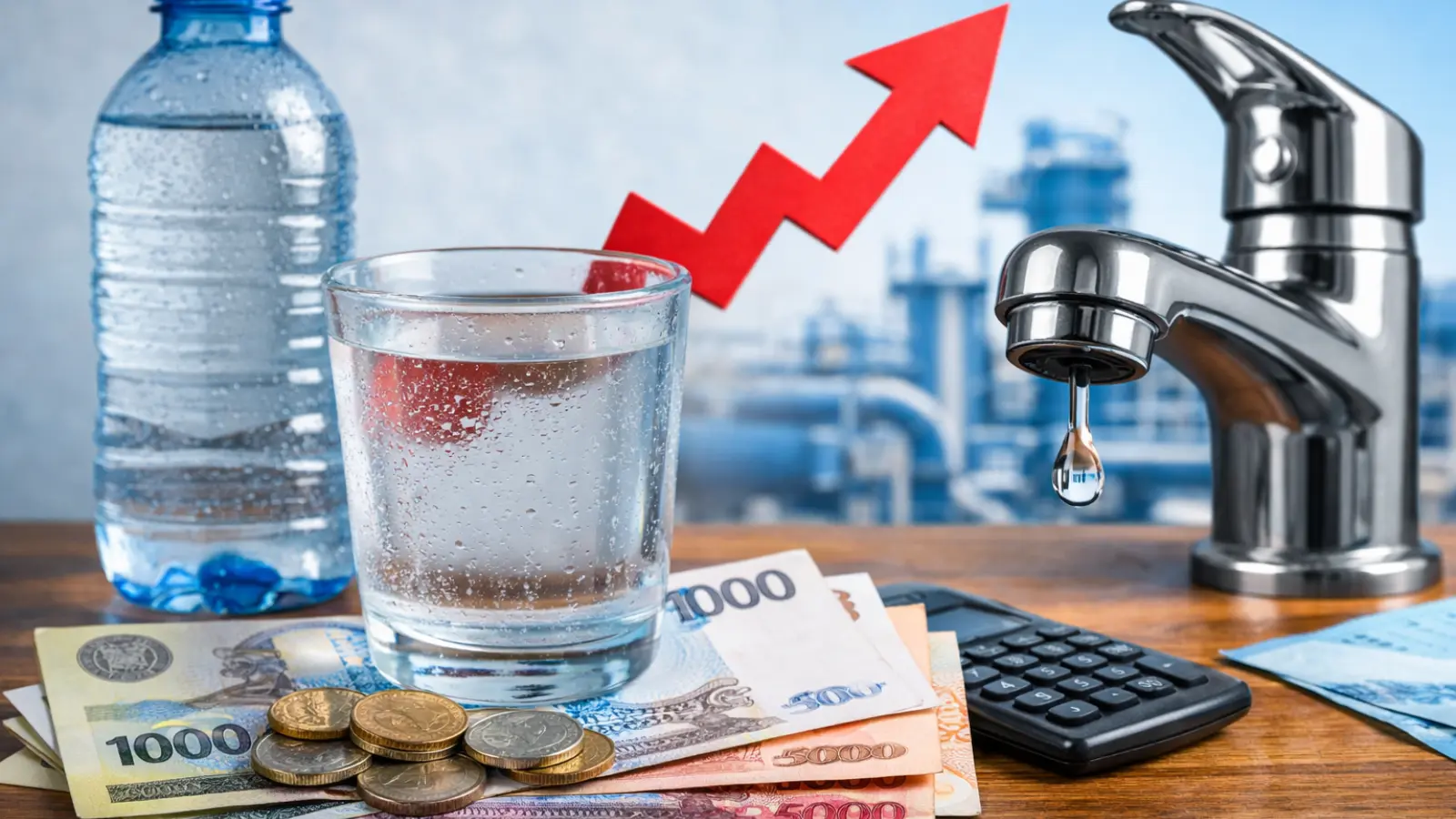
In recent years, many questions have arisen in Uzbekistan regarding the price of drinking water. This was reported by Zamin.uz.
The main reason for this is the increasing gap year by year between the actual cost of water and the tariffs paid by the population. According to experts, this situation may not last long.
According to current laws, tariffs for drinking water and wastewater services are set through a special procedure. Before setting tariffs, public discussions are held, conclusions from financial and anti-monopoly authorities are obtained, and then they are approved by local councils.
In other words, prices are not raised secretly or overnight. Experts believe that the main purpose of reviewing tariffs is to improve the quality of water supply, renew outdated infrastructure, and ensure the stable operation of the system.
In this process, factors such as electricity, wages, reagents, repair costs, and taxes are taken into account. Especially, the increase in electricity prices has a significant impact on the cost of water.
Since 2023, the price of electricity has nearly doubled. Currently, 30 percent of the cost of 1 cubic meter of water corresponds to wages, and 19 percent to electricity expenses.
Additionally, the cost of delivering water over long distances via pumps further increases expenses. Today, the average price of 1 liter of drinking water supplied through the centralized network across the republic is about 3–4 soums.
This is a thousand times cheaper than bottled water sold in stores. However, due to the lack of timely tariff updates, water supply companies in some regions are experiencing financial losses.
For comparison, it can be said that the price of 1 cubic meter of drinking water in Uzbekistan is among the cheapest in the world. Therefore, there is a high likelihood of gradual tariff increases in the near future.
In conclusion, the price of drinking water may rise, but this process is necessary to maintain system stability and improve service quality. It should be remembered that cheap water is not permanent, and stable supply requires certain costs.
Source: zamin.uz