The number of complaints remains at the highest level in Tashkent.
Recent analyses have shown that in Uzbekistan, on average, three hundred thirty-nine appeals and complaints are received per ten thousand people. This was reported by Zamin.uz.
However, these figures vary significantly across different regions of the country. Tashkent city leads with five hundred thirty appeals per ten thousand people, with the highest number of complaints occurring in the capital.
Following this list are the regions of Navoi, Syrdarya, Surkhandarya, Jizzakh, Kashkadarya, and Tashkent region. In particular, it was found that in Dehqonobod and Mirobod districts, as well as in Navoi, Ohangaron, and Yangiyer cities, the number of appeals is twice the national average.
Although the total number of complaints nationwide has decreased by sixteen percent compared to last year, the situation has sharply changed in some regions, with the volume of appeals nearly doubling. Such growth observed in the districts of Qorovulbozor, Nurota, Konimex, and To'proqqala, as well as in Namangan city, indicates a weakening connection between local administration and the people.
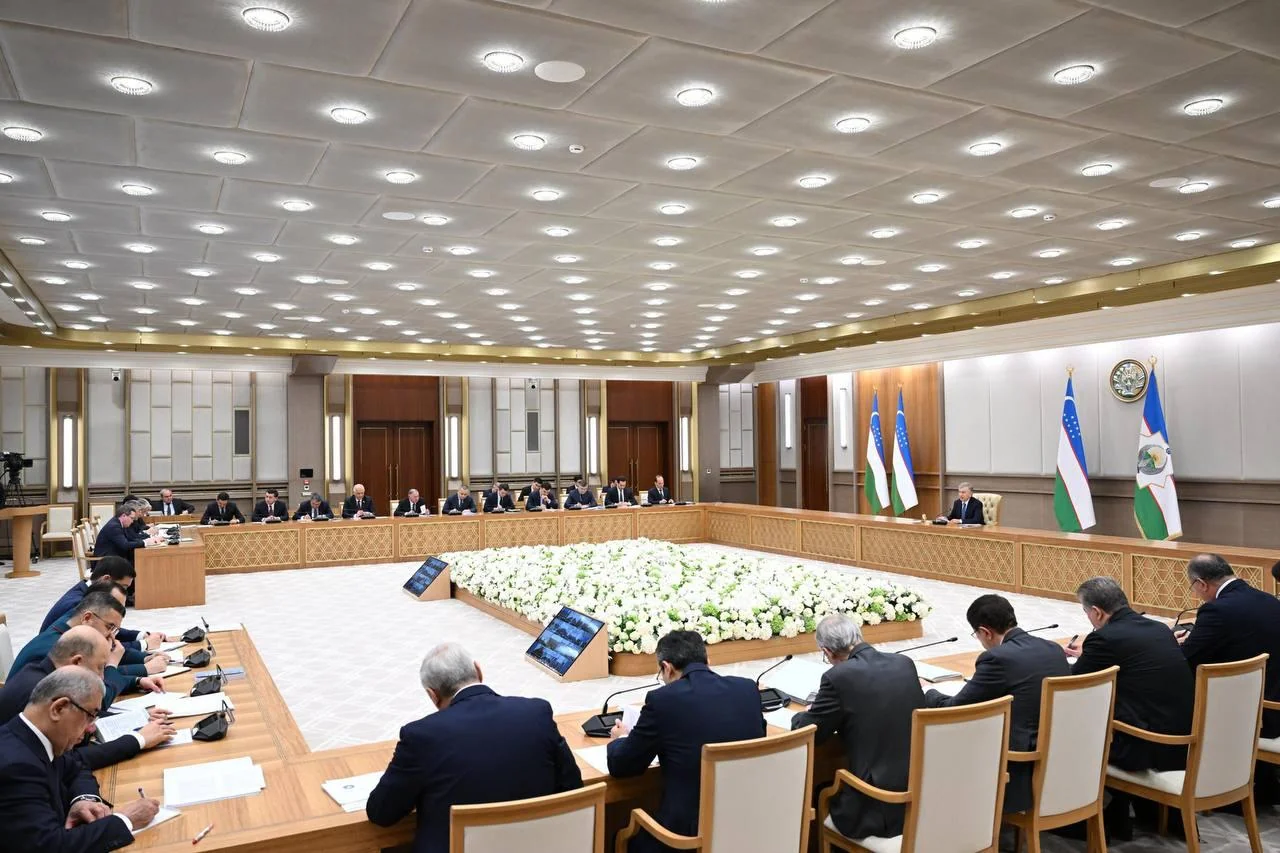
This situation urgently requires additional and effective administrative measures, as active efforts are needed to restore public trust. During recent analyses, officials sharply criticized a number of local leaders for not conducting direct and effective work with the population.
The governors of Bukhara, Karmana, Uchkuduk, Sardoba, Khavos, Bostanliq, Angren, and Gazgon cities found their meetings with the public to be superficial and formal. The authorities emphasized that such formalistic mobile receptions do not yield real results in solving public problems and demanded a more transparent and open approach in the governance system in the future.
By March 2026, all agencies must strengthen their communication with the public and increase accountability in resolving their issues.