


Russia launched three Iranian satellites
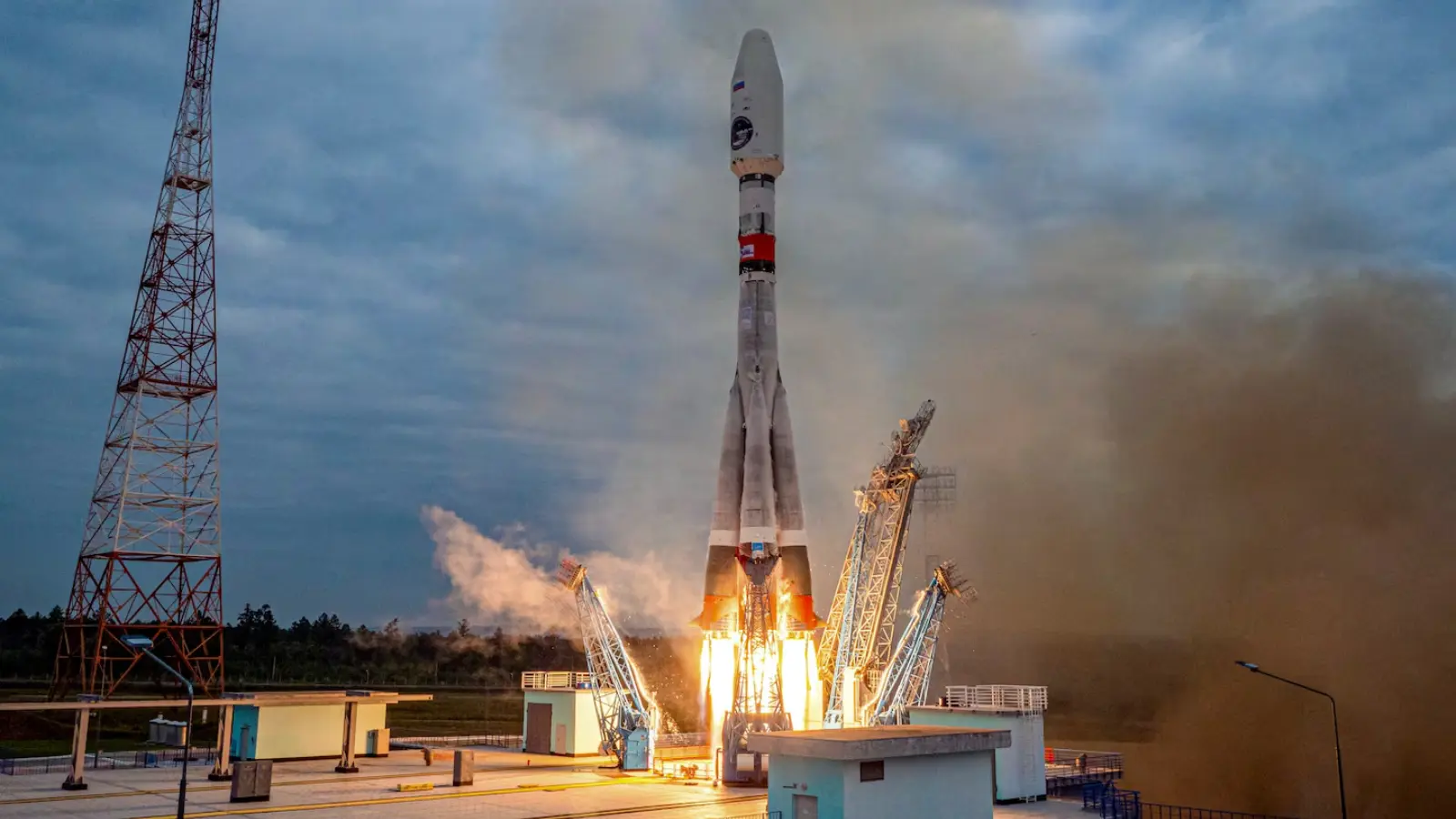
Russia successfully launched three satellites belonging to Iran into space. This was reported by Zamin.uz.
According to Reuters agency on December 28, Iran's satellites named "Kosar," "Paya," and "Zafar-2" were launched from Russia's Vostochny Cosmodrome in the Far East using a "Soyuz" rocket.
The satellites were placed into low Earth orbit, approximately 500 kilometers in altitude. This altitude is considered optimal for observation and data collection purposes.
According to Iranian officials, these satellites perform tasks such as agriculture, environmental monitoring, land resource observation, and early detection of natural disasters. Through this, Iran aims to develop capabilities for monitoring climate change, water resources, and crop yields.
The dpa agency notes that Iran has previously succeeded in launching several satellites into space. The country's officials continue to emphasize that this program is intended for peaceful purposes and does not have a military direction.
Iran's Foreign Minister Abbas Araghchi described this launch as a "scientific mission" and stated that this process is a natural part of technological development. At the same time, Israel and Western countries, including the United States, view Iran's space program with suspicion.
They express concern that these technologies could be used for military purposes, particularly to expand ballistic missile capabilities. Some critics also highlight the involvement of military organizations, especially the Islamic Revolutionary Guard Corps, in Iran's space projects.
This launch carried out through Russia holds not only scientific but also geopolitical significance. On one hand, Iran emphasizes its peaceful intentions, while on the other hand, Western countries are closely monitoring this process from the perspective of regional security.