


Tashkent Real Estate Market: Transitioning to Quality Growth
By the end of 2025, significant changes were observed in the real estate market in Tashkent. This was reported by Zamin.uz.
Experts consider this period as the beginning of a new phase. According to analyses, while the market had long developed solely based on "speed," it is now undergoing a qualitative renewal process influenced by internal reforms and global economic factors.
The global economic and political situation is also impacting Uzbekistan's real estate market. In particular, high interest rates in Washington and the revision of trade rules have forced global investors to be cautious.
For Uzbekistan, the main task is to create an investment product with understandable profitability and transparent rules. According to the Central Bank's statistical data, during the first three quarters of 2025, the number of real estate transactions across the country increased by 12.8%, reaching 229.8 thousand.
However, this growth is not uniform across all regions: for example, the growth rate in cities of the Fergana Valley was around 7–8%, while in the Tashkent region it was only 1.7%. In Tashkent city, signs of "overheating" were not strongly felt.
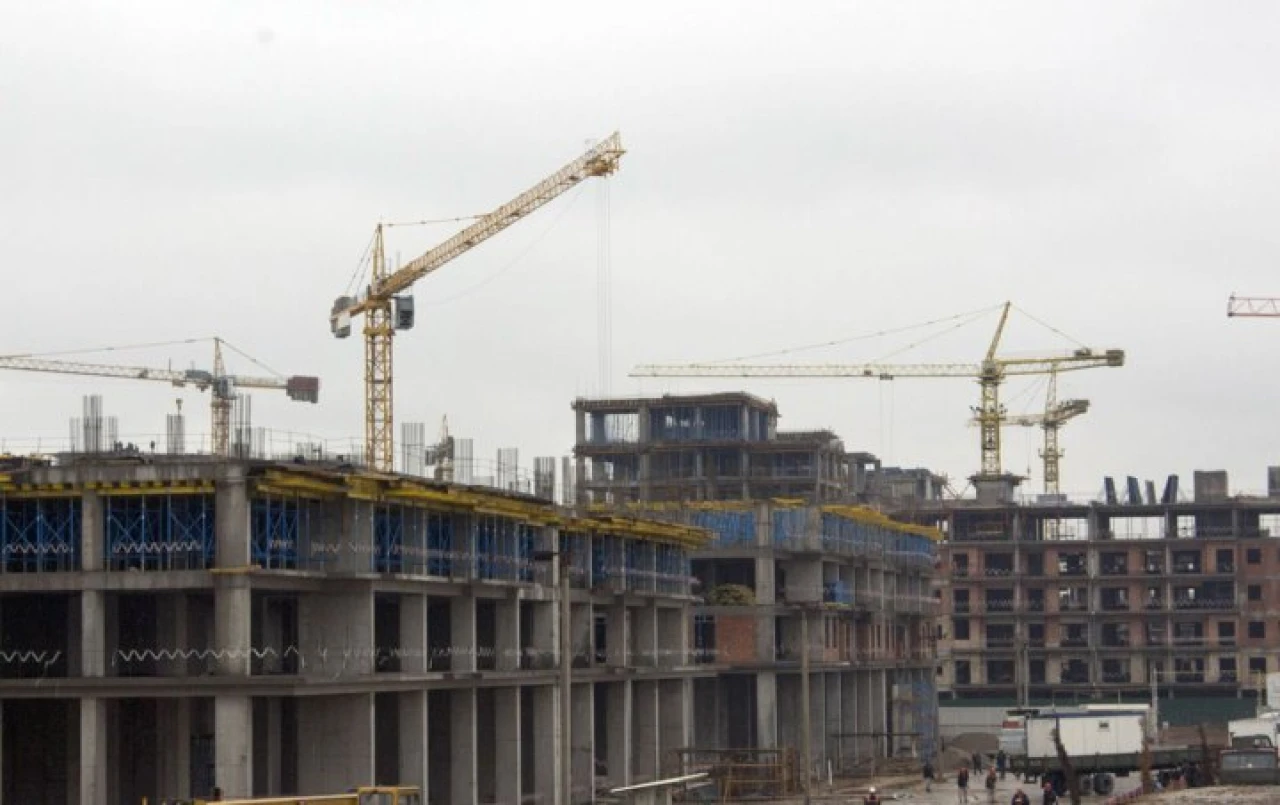
In 2025, 2.17 million square meters of residential housing were commissioned in Tashkent, which is 16% more compared to 2024. The main share corresponded to the economy and comfort segments.
While prices in the secondary market decreased by 0.9%, prices in new constructions increased within the range of 4–9%. According to Denis Sokolov, head of CMWP Uzbekistan, despite prices rising by 5–5.5% in dollar terms due to the strengthening of the national currency, builders' discounts created favorable conditions for buyers.
In 2026, the introduction of project financing is expected, which may strengthen the position of large construction companies and force smaller builders to exit the market. Changes have also been observed in the office market in Tashkent.
Despite the emergence of new properties, the share of vacant space decreased from 25% to 16%, leading to an increase in rental rates. The average rental price for A-class offices was $34.6 per square meter.
In retail spaces, the imbalance between supply and demand remains. In the capital, only 165 square meters of quality retail space corresponds to 1,000 residents, which is three times less than the norms in large cities.
International brands are showing interest in entering the market, but the lack of retail spaces meeting international standards remains a problem. Changes have also been observed in the warehouse market.
In 2025, rental prices in this segment decreased by 13.4%, reaching $8.86 per square meter. This is not due to a drop in demand but rather the entry of new professional projects into the market.
Companies prefer to build facilities that meet their needs rather than renting old warehouses. The New Tashkent project and the end of undocumented construction practices are expected.
From now on, development will be related not to the volume of space but to the consumer quality of the properties. Although price stabilization is expected, high prices may persist in the premium segment.
Overall, real estate is moving out of the speculative growth phase and becoming a classic investment asset.