Maduro arrested: Who holds power in Venezuela?
The sudden arrest of Venezuelan President Nicolas Maduro by US military forces has created a political vacuum in the country. This was reported by Zamin.uz.
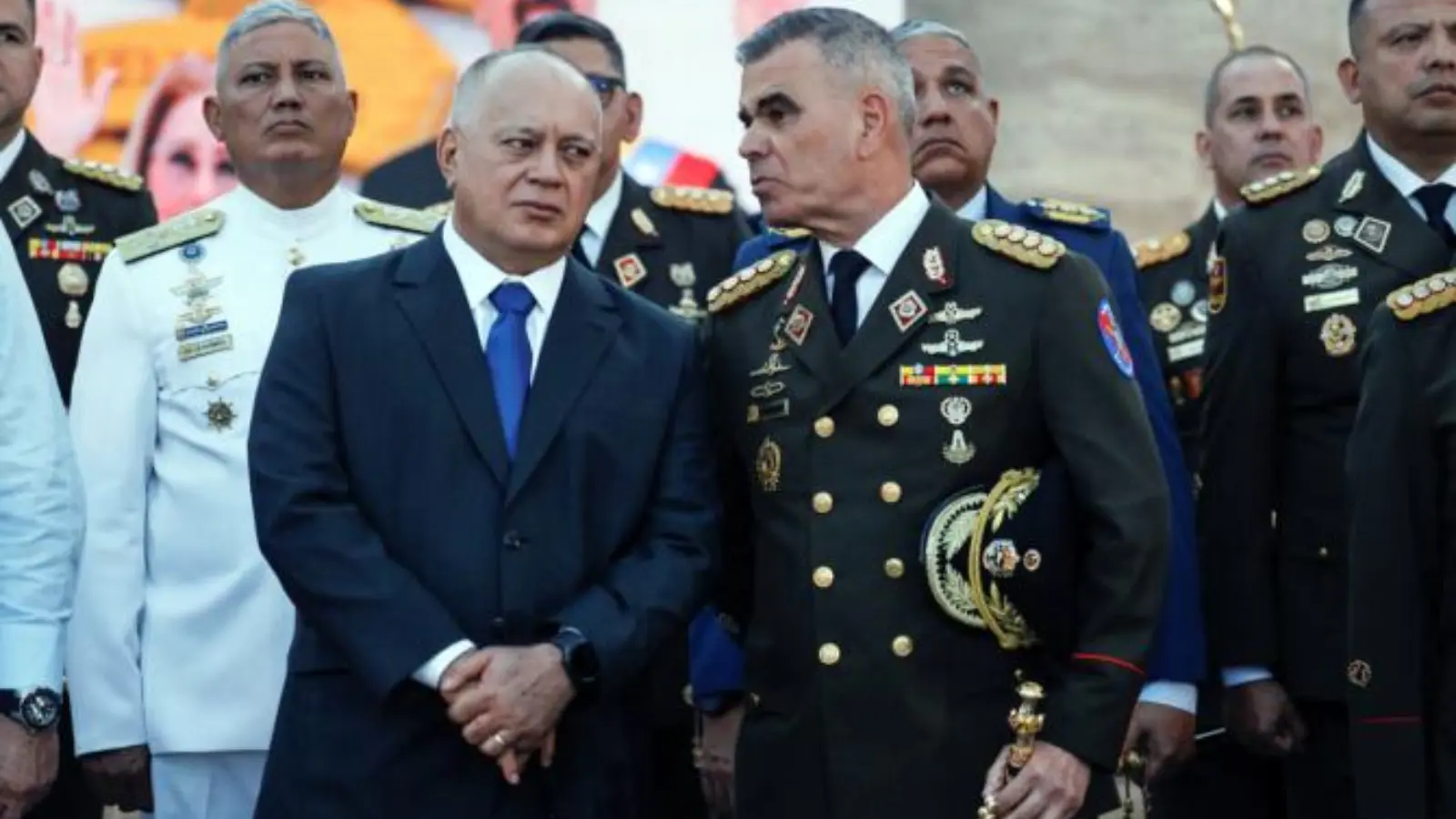
Although the presidential duties have officially been transferred to Vice President Delcy Rodriguez, practical power is concentrated in the hands of two influential figures – Defense Minister Vladimir Padrino Lopez and Interior Minister Diosdado Cabello. **Two main figures: Padrino and Cabello** According to analysts, these two individuals are currently the key decision-makers in Venezuela.
Vladimir Padrino not only commands the army but also manages strategic sectors of the country's economy. He controls mines, ports, and the distribution of consumer goods.
The US has accused him of drug trafficking and has placed a bounty on his head. Diosdado Cabello, as the interior minister, is considered the most ruthless politician in the country.
He oversees the police and armed groups known as "colectivos." His approach is based on firmness and intimidation, and the US has also placed a bounty on Cabello.
**Division of official and practical power** Although Delcy Rodriguez occupies the presidential seat, governing the country without control over the security apparatus is proving difficult. Experts believe that while Delcy officially manages the country, Cabello is responsible for maintaining order.
**What does the future hold?** It is unclear how the new Venezuelan leadership will establish relations with the US. Analysts consider it likely that an agreement will be reached with Padrino, as he tends to protect his own interests.
Cabello, however, is an ideological fanatic who strives to retain power at all costs. After Maduro was overthrown, the "colectivos" took control of the streets and placed the population under strict surveillance.
This indicates that the new leadership intends to govern the country with an iron discipline. Do you think Venezuela can avoid internal conflicts and achieve peace?
Or will this situation lead to a civil war?