

The United States spent twelve billion dollars on the war against Iraq.
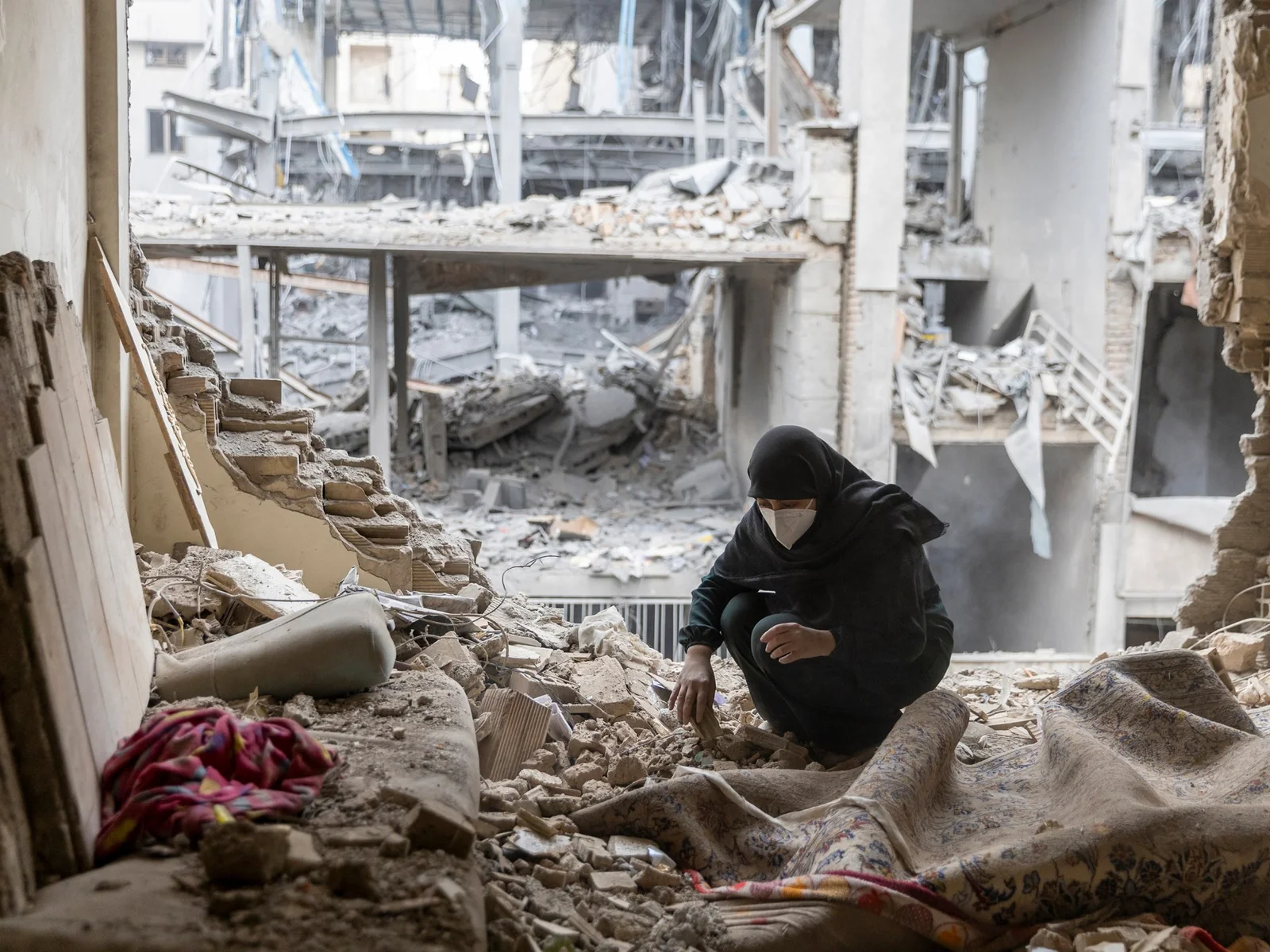
According to data from Kevin Hassett, the White House's chief economic advisor, since joint military strikes with Israel began on February 28 of this year, the United States has spent nearly twelve billion dollars on the war being waged against Iran. Zamin.uz reported this.
In an interview with CBS, he emphasized that this figure represents the latest indicator. Currently, questions are growing in Washington regarding how long the conflict will last and what future expenditures might be.
Kevin Hassett stated that the ongoing war would not cause serious damage to the US economy. According to him, America currently produces a sufficient amount of oil and has managed to overcome the energy crisis observed ten years ago.
Nevertheless, concerns remain in international markets following Iran's threats around the Strait of Hormuz, a critical route through which one-fifth of global oil supplies pass. US citizens are also worried about fuel prices rising again.
At present, the administration is facing criticism because its explanations regarding the war are changing frequently. Officials have been defining the objective differently each time.
Initially, stopping Iran's nuclear program was mentioned, followed by weakening its missile forces. Currently, the objective is stated as targeting oil infrastructure.
Defense Secretary Pete Hegseth warned that the bombing campaign could intensify further. This statement has heightened concerns regarding rising costs and expanding military objectives.
Human casualties have also risen sharply as a result of the war. It has been reported that at least 1,444 people have died in Iran since February 28.
Thirteen US military personnel have lost their lives, and more than 140 have been injured. The impact of the conflict has also spread to Lebanon.
Some countries, such as India, have now begun direct negotiations with Tehran to protect their oil shipments. The severity of these events is urging the international community to exercise greater caution.



![Fransiya Usmonova proposed removing [the name] from the sanctions list](/uploads/mini/web-300/04/e8d7de74763e0760c29bdbfd3d91b77a.webp)