


Lebanese Prime Minister Acknowledges Iran's Military Control in Lebanon
Armed conflicts in the Middle East have now entered a new and even more dangerous phase. Zamin.uz reports this.
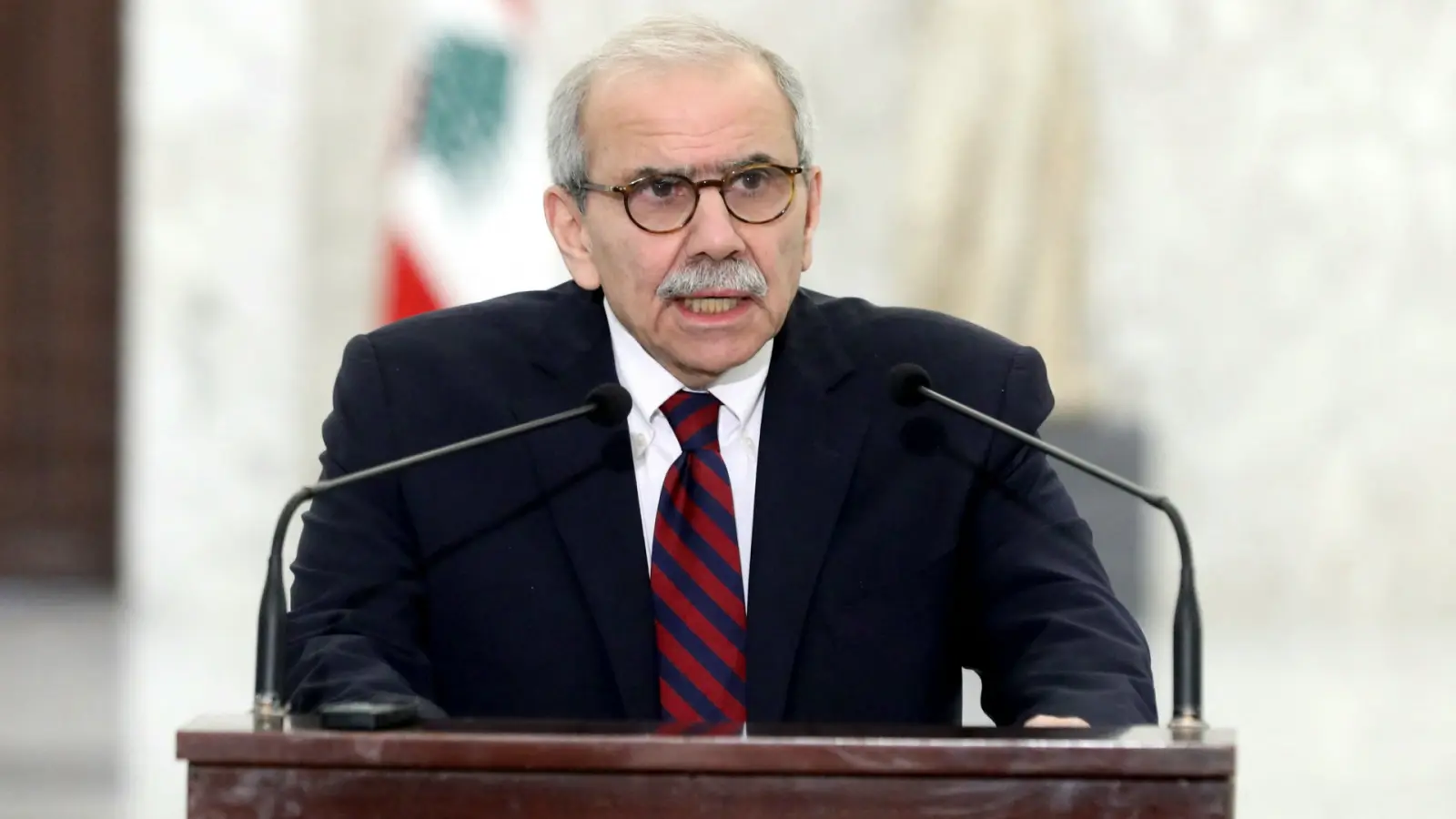
Sharp statements from the Lebanese government and strikes by Israeli armed forces on strategically significant infrastructure have brought the entire region to the brink of explosion. Lebanese Prime Minister Nawaf Salam openly admitted in an interview with Saudi Arabia's Al Hadath TV channel that military operations within the country are directly under the control of the Islamic Revolutionary Guard Corps (IRGC) of Iran.
According to the Prime Minister, members of the corps entered Lebanon using forged documents and are now leading Hezbollah's operations. Nawaf Salam also put forward a number of serious allegations.
He emphasized that drone attacks carried out at the beginning of March on Britain's Akrotiri military base in Cyprus were executed precisely by Iranian military personnel. The Prime Minister also stated that the Hezbollah opposition is forcibly dragging the Lebanese people into a conflict dubbed a war of revenge for the death of Ali Khamenei.
Therefore, the Lebanese government has officially banned the activities of Iranian military personnel on its territory and called on Hezbollah to disarm. Meanwhile, Israeli Defense Forces are implementing a scorched-earth strategy in southern Lebanon.
By order of the Israeli Defense Minister, all major bridges over the Litani River have been destroyed. The main objective is to cut off Hezbollah's supply lines and create a security zone on the southern border.
The head of the Israeli General Staff has approved a plan to further expand the scale of the attacks. While Lebanese President Joseph Aoun sharply condemned Israel's actions, the Human Rights Watch organization labeled the mass destruction of homes as a war crime.
According to recent data, the number of casualties in Lebanon has exceeded one thousand. The fact that among them are 120 children and 80 women highlights the tragic nature of the situation.
The death of forty medical workers is further deepening the humanitarian crisis. Do you think the Lebanese government can free itself from foreign influence, and will Israel's destruction of infrastructure decide the fate of the war?
These questions remain urgent for all peace-loving people.